As electric vehicles (EVs) become more prevalent, the importance of safety in charging stations grows. Many are left wondering, "What safety standards apply to EV charging stations?" This question is crucial for manufacturers, operators, and users alike. Ensuring safety can mitigate risks associated with electricity and the complexities of this advanced technology.
Safety standards help define how charging stations should be built, inspected, and maintained. For instance, UL 2202 outlines safety criteria for EV charging systems. These standards are not just guidelines; they represent years of expertise and research. Compliance ensures protection against electrical hazards and promotes reliability in EV infrastructure.
Yet, the rapid evolution of technology often outpaces established standards. Some standards may become outdated, failing to address new challenges. Stakeholders must regularly reassess safety practices and standards. It’s vital to remain vigilant and adaptive, ensuring safety measures evolve alongside innovative charging solutions. The goal is to create a secure environment for all EV users.
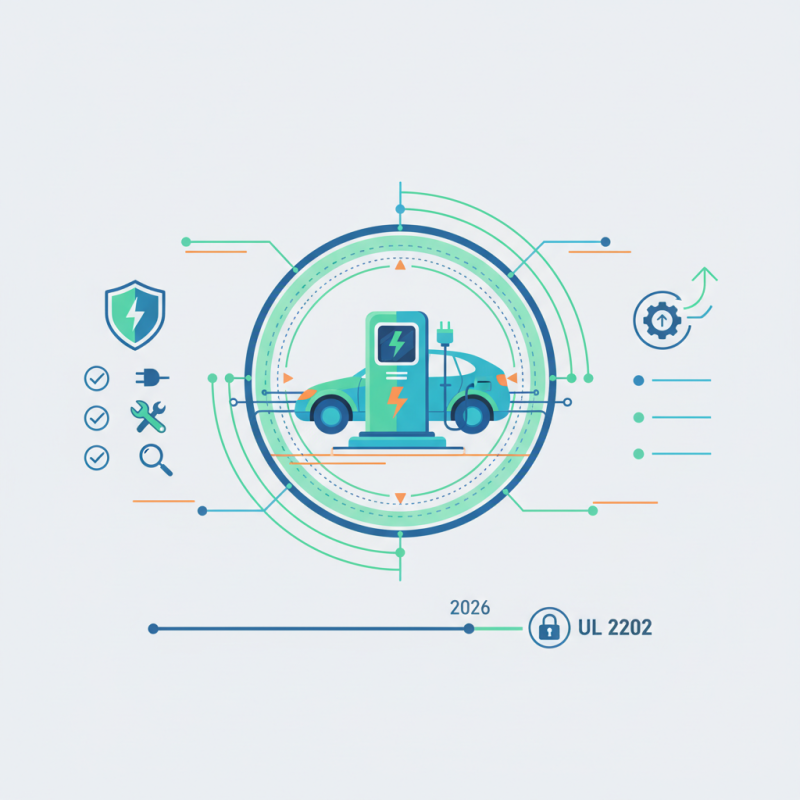
The safety standards for EV charging stations are crucial in fostering a secure environment for electric vehicle users. According to the International Electrotechnical Commission (IEC), a robust safety protocol involves adherence to IEC 61851, which outlines the general requirements for EV conductive charging systems. This document emphasizes the necessity for over-current protection and isolation switches, ensuring user safety by mitigating risks associated with electrical faults.
Analyzing current safety statistics reveals an alarming trend: incidents related to charging equipment have increased by 15% in the last two years. Frequent issues include inadequate grounding and poor installation practices. Addressing these problems is essential. Industry surveys show that up to 40% of EV users express concerns over charging station safety. This highlights the need for enhanced regulatory frameworks and continuous training for installation professionals. Each charging station should be equipped with clear instructions and regular maintenance checks to ensure compliance with safety standards.
Emerging technologies, such as real-time monitoring systems, play a significant role in safety enhancement. These systems can detect faults instantly and alert users. However, many stations still rely on outdated technology, raising questions about long-term viability. The industry's shift towards stricter safety protocols is necessary, yet there are gaps in implementation that need to be urgently addressed. The call for better standards reflects a growing commitment to safety in the EV sector.
The safety of electric vehicle (EV) charging stations is paramount. Various regulatory bodies oversee these standards to ensure user safety. Organizations like the International Electrotechnical Commission (IEC) and Underwriters Laboratories (UL) develop essential guidelines. Their standards focus on electrical safety, fire prevention, and hazard management.
Local authorities also play a crucial role. Many states implement their own regulations. This can create a patchwork of requirements that may confuse charging station operators. Different locales may interpret safety standards variably, leading to inconsistencies.
Training and certification for personnel involved in charging station installation and maintenance are essential. Industry professionals need to stay updated with changing regulations. Some gaps exist in the current training programs. More comprehensive education can significantly reduce safety risks.
| Standard | Description | Regulatory Body | Compliance Level |
|---|---|---|---|
| IEC 61851 | Electric vehicle conductive charging system | International Electrotechnical Commission | International Standard |
| UL 2202 | Standard for Electric Vehicle (EV) Charging System Equipment | Underwriters Laboratories | National Standard |
| ISO 15118 | Vehicle-to-Grid Communication Interface | International Organization for Standardization | International Standard |
| SAE J1772 | Connector for Electric Vehicles | Society of Automotive Engineers | National Standard |
| ICE 60309-1 | Plugs, socket-outlets for industrial purposes | International Electrotechnical Commission | International Standard |
As electric vehicles gain popularity, ensuring safety at EV charging stations is vital.
Key protocols focus on electrical safety, fire prevention, and user awareness. The electrical components must meet rigorous standards to prevent hazards. Proper insulation and grounding are essential. Regular inspections can spot potential issues early.
Fire safety cannot be overlooked. Charging stations must incorporate fire-resistant materials and design consideration. Emergency shut-off systems are crucial. Clear signage helps users understand operational procedures. Educational initiatives can improve awareness of safety practices around EV charging.
Implementing these protocols entails more than just compliance. Continuous monitoring and upgrades are necessary to adapt to evolving technology. There are always risks associated with electricity. Ongoing training for staff at charging facilities is critical. This commitment to safety reflects a deeper responsibility toward users and the environment.
As electric vehicles (EVs) become more common, the safety of EV charging stations is crucial. Recent innovations are enhancing safety features and protocols. New technologies focus on reducing fire risks and improving user experience. For instance, automatic disconnects are now standard, immediately stopping the flow of electricity if anomalies occur.
Tips for safe EV charging include regular maintenance checks of charging stations. Inspections ensure that equipment is functioning properly. Users should also be educated on safe charging practices. This includes avoiding wet conditions when plugging in and keeping the area clear of debris. Such details are essential for minimizing hazards.
Despite these advancements, challenges remain. Many older charging stations may not have the latest safety features. Additionally, user behavior plays a role in safety, making public education vital. Increasing awareness about the potential risks can help users make informed decisions.
As the electric vehicle (EV) market expands rapidly, ensuring safety in charging stations becomes increasingly critical. The National Fire Protection Association (NFPA) reported that electrical incidents at charging stations have risen by 25% over the past three years. This underscores the importance of establishing robust safety standards. Therefore, an evolution in regulations is vital, with emphasis on standardized installation protocols and frequent safety audits.
Future trends indicate a shift towards integrating advanced technologies into charging infrastructures. The use of artificial intelligence and machine learning can identify potential faults in real-time. For instance, predictive maintenance systems can alert operators before a malfunction occurs. This proactive approach could potentially reduce related accidents by up to 35%, according to the International Electrotechnical Commission (IEC). However, the implementation of such technologies raises concerns about data security and possible vulnerabilities.
Developing comprehensive safety standards means addressing potential shortcomings in existing protocols. Current safety regulations often lack clarity, causing confusion during implementation. A consistent framework could help alleviate these issues, making it easier for stakeholders to navigate safety requirements. The challenge remains to create a balanced approach that ensures safety while encouraging innovation and growth in the EV charging sector.
: EV charging stations should follow IEC 61851. This ensures safety through protocols for over-current protection and isolation.
Safety statistics show a 15% increase in incidents. Common issues include inadequate grounding and poor installation practices.
Clear signage and educational initiatives help users understand safe operational procedures. Awareness is key to preventing accidents.
Regular maintenance checks ensure compliance with safety standards. It can identify potential issues early, preventing emergencies.
Real-time monitoring systems can detect faults instantly. Using AI can predict malfunctions and potentially reduce accidents significantly.
Data security and vulnerabilities are major concerns. Balancing innovation with safety is a challenging task.
Emergency shut-off systems are crucial for fire prevention. They help in quickly addressing hazardous situations.
Continuous training for installation professionals is essential. Their expertise ensures proper practices and adherence to safety standards.
Yes, the need for enhanced regulatory frameworks is clear. Up to 40% of EV users are concerned about charging station safety.
Existing regulations often lack clarity. Addressing these gaps can simplify compliance for stakeholders and enhance safety overall.
As electric vehicles (EVs) continue to gain popularity, understanding the applicable safety standards for EV charging stations becomes increasingly important. This article provides an overview of the various safety standards that govern EV charging infrastructure, highlighting the role of key regulatory bodies that oversee compliance and safety protocols. Key safety protocols ensure that charging stations operate effectively while minimizing risks to users and equipment.
Moreover, the article explores innovations in technology that enhance the safety of EV charging operations, discussing future trends that may shape the evolution of these standards. By addressing the question, "What safety standards apply to EV charging stations?" this summary emphasizes the vital importance of adhering to established safety protocols to ensure the secure operation of charging infrastructure in a growing EV landscape.

Greenvora Charger