As the world embraces greener technologies, many are turning to solar-powered electric vehicle (EV) chargers. Industry expert Dr. Emily Carter, a leading researcher in renewable energy, emphasizes, "Solar-powered EV chargers offer a sustainable solution to the rising demand for clean transportation." But what are the benefits of solar-powered EV chargers?
Solar-powered chargers harness energy from the sun, reducing reliance on fossil fuels. This not only lowers carbon emissions but also mitigates the effects of climate change. These chargers can operate independently, making them ideal for remote locations or areas with unreliable electricity grids. Additionally, they can save EV owners money on energy costs over time.
Moreover, the integration of solar charging systems can enhance energy independence. However, challenges such as initial installation costs and weather dependency need reflection. Evaluating these aspects is vital for consumers considering this clean energy option. Overall, understanding what are the benefits of solar-powered EV chargers is essential for making informed decisions in the transition to sustainable transportation.
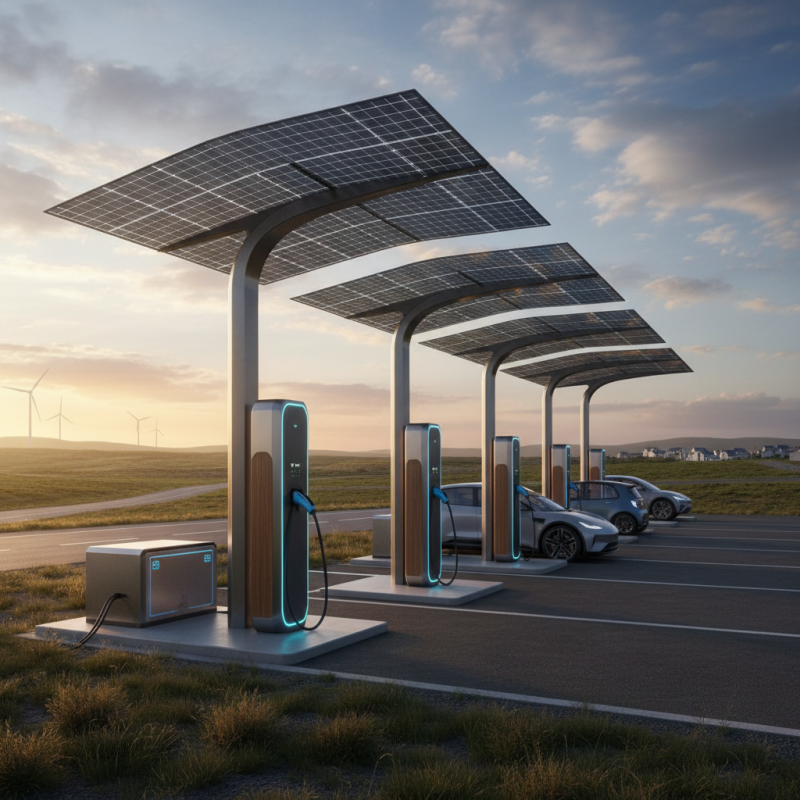
Benefits of Utilizing Solar Powered EV Chargers for Sustainability
Solar-powered EV chargers offer significant benefits for sustainability, transforming how we approach energy consumption. By harnessing sunlight, these chargers reduce dependence on fossil fuels. An electric vehicle (EV) charged with solar power generates fewer carbon emissions. This shift supports cleaner air and a healthier environment.
Moreover, solar-powered chargers can lower electricity costs over time. The initial investment may seem daunting, but savings on utility bills can be substantial. This process is reflective of our growing need for sustainable solutions, though reliability may vary by location and weather conditions. Not every area receives adequate sunlight consistently, highlighting a crucial aspect of implementation that requires careful consideration.
Utilizing solar energy for EV charging is a step toward energy independence. It aligns with global efforts to combat climate change. However, it is essential to recognize the limitations. Not all users can install solar infrastructures, and upfront costs can be prohibitive. Moving forward, creating accessible options for everyone will be key in expanding solar adoption. Balancing these challenges with innovative solutions can lead to a more sustainable future.
Top 5 Benefits of Solar Powered EV Chargers You Should Know
| Benefit |
Description |
Environmental Impact |
Cost Savings |
| Renewable Energy Use |
Utilizes sun energy to charge EVs, reducing dependence on fossil fuels. |
Reduces carbon footprint by using clean energy. |
Lower electricity costs over time due to self-sourcing energy. |
| Reduced Operating Costs |
Minimizes costs associated with traditional charging methods. |
Supports sustainability by lowering grid demand. |
Potential savings on utility bills and maintenance. |
| Energy Independence |
Reduces reliance on energy suppliers and fluctuations in energy prices. |
Contributes to energy security and sustainability goals. |
Fixed energy costs shield from price increases. |
| Incentives and Tax Breaks |
Many regions offer incentives for solar installations. |
Supports local and national sustainability initiatives. |
Tax credits and rebates reduce initial investment costs. |
| Increased Property Value |
Properties with solar energy systems are often more attractive to buyers. |
Encourages sustainability in real estate markets. |
Higher resale values can lead to better returns on investment. |
Cost Savings: How Solar Energy Reduces Charging Expenses
Solar powered EV chargers are gaining traction due to their cost-saving benefits. By harnessing sunlight, these chargers can significantly lower charging expenses for electric vehicle owners. Solar energy is free after installation, leading to reduced electricity bills. Once installed, the only ongoing costs are maintenance. This shift can translate into considerable annual savings, especially for daily commuters.
Another key aspect is the potential to generate excess energy. Homeowners can divert surplus solar power back to the grid for credits or savings. This process not only decreases the financial burden but also promotes energy independence. However, the initial investment in solar panels and a charging system can be daunting. It's essential to weigh the long-term savings against upfront costs. Reflecting on personal energy needs helps to determine if a solar charger is the right choice.
Adopting solar powered chargers also encourages a greener lifestyle. Users can contribute to environment-friendly energy solutions. A gradual transition may seem overwhelming, but even small steps can lead to substantial savings over time. It’s crucial to stay informed about local incentives that may ease the installation process. Evaluating options carefully will lead to smarter energy decisions.
Environmental Impact: Reducing Carbon Footprint with Solar Power
Solar-powered electric vehicle (EV) chargers offer significant environmental benefits. By harnessing the sun's energy, they help reduce greenhouse gas emissions. According to the U.S. Department of Energy, transportation accounts for 29% of total greenhouse gas emissions in the U.S. Switching to solar energy can drastically cut these numbers.
Solar-powered chargers not only rely on renewable energy but also encourage the use of clean vehicles. A study by the International Energy Agency found that EVs can reduce carbon emissions by up to 70% compared to conventional vehicles. When paired with solar chargers, the emissions linked to charging EVs can diminish even further. This synergy promotes cleaner air and a healthier planet.
Utility data suggests that one solar-powered EV charger can offset approximately 2,500 pounds of carbon dioxide annually. However, challenges remain. Initial installation costs can deter potential users. Additionally, the efficiency of solar energy depends on geographic location and weather conditions. As technology advances, these systems could become more accessible and efficient. Finding effective solutions to these issues is essential for widespread adoption and further emissions reduction.
Energy Independence: Advantages of Off-Grid Solar EV Charging
Energy independence is a significant benefit of off-grid solar EV charging. It allows users to generate their own electricity using solar panels. This reduces reliance on the grid and lowers energy costs. By harnessing sunlight, EV owners can charge their vehicles anywhere, even in remote locations. The freedom from traditional energy sources is empowering.
Moreover, off-grid solar charging systems promote sustainability. They have a minimal carbon footprint, contributing positively to the environment. By using renewable energy, users play a role in combating climate change. There's a sense of responsibility and purpose in driving a solar-powered vehicle.
However, there are challenges to consider. Initial setup costs for solar panels can be high. Some might struggle with space for installation or dealing with fluctuating weather conditions. It's crucial to weigh these factors. The long-term savings often make up for initial investments, but always approach with cautious optimism.
Increased Convenience: Accessibility of Solar Chargers for EV Owners
Solar powered EV chargers have transformed the way electric vehicle (EV) owners think about convenience. One significant benefit is their accessibility. Imagine charging your vehicle at home using sunlight. This setup minimizes visits to traditional charging stations. You can plug in your EV right in your driveway, saving time and energy.
The simplicity of these solar chargers stands out. They require minimal setup, often needing just a solar panel and a charging unit. Many homeowners appreciate this straightforward approach. Plus, they can track energy production easily. While some users might worry about efficiency on cloudy days, advancements in technology continue to improve performance.
However, it's crucial to consider the initial investment. Solar chargers can be costly upfront, though many recognize long-term savings. Evaluating local incentives is advisable. Finding a balance between cost and convenience can be challenging. The independence and reliability solar chargers provide make them an appealing option for many EV owners.
Innovative Technology: Advancements in Solar EV Charging Solutions
The innovative technology behind solar-powered EV chargers is transforming the way we charge electric vehicles. These chargers harness sunlight, converting it into clean energy. This method reduces reliance on the grid. It offers a sustainable solution to charging needs, especially in remote areas or locations without traditional infrastructure.
Recent advancements have made these systems more efficient. They can function even with limited sunlight. Some chargers come equipped with smart technology. This allows users to monitor energy production and consumption in real-time. Such features enhance the user experience but require regular updates and maintenance. Understanding this technology ensures that users can maximize its benefits, but it can also be confusing at times.
Exploring the integration of solar panels with EV chargers presents both opportunities and challenges. While the initial setup might be costly, long-term savings are notable. The ability to generate your own energy is appealing. Nevertheless, the system's dependency on weather conditions could cause disruptions. It's important to consider these factors when evaluating solar-powered charging solutions.
Top 5 Benefits of Solar Powered EV Chargers
Solar powered EV chargers offer numerous advantages that contribute to a sustainable future. The chart below illustrates the top five benefits of using solar energy for electric vehicle charging.
FAQS
: They reduce dependence on fossil fuels and lower carbon emissions, promoting cleaner air and a healthier environment.
While initial costs can be high, they can lead to substantial savings on utility bills over time.
Efficiency varies by location due to sunlight availability. Not every area always receives adequate sunlight.
Not everyone can install these infrastructures due to costs and practical limitations. This aspect needs more reflection.
It can significantly reduce greenhouse gas emissions, further promoting cleaner air and a healthier planet.
A solar-powered EV charger can offset approximately 2,500 pounds of carbon dioxide annually.
Initial installation costs can be a deterrent, and solar efficiency is influenced by geographic and weather conditions.
They allow EV owners to charge at home, saving time and minimizing trips to traditional charging stations.
Technology continues to improve, making solar chargers more efficient even on cloudy days.
Evaluating local incentives can help offset initial costs and improve accessibility for potential users.
Conclusion
Solar-powered EV chargers offer numerous advantages that contribute to a more sustainable future. First and foremost, they significantly reduce charging costs by harnessing free solar energy, allowing electric vehicle (EV) owners to save money in the long run. Moreover, utilizing solar power helps decrease the carbon footprint associated with traditional electricity sources, leading to a cleaner environment.
In addition to cost savings and environmental benefits, solar-powered EV chargers promote energy independence, as they can operate off-grid, providing reliable charging options even in remote locations. Their accessibility and convenience cater to the growing number of EV owners, making it easier to charge vehicles wherever solar chargers are available. Lastly, ongoing advancements in solar EV charging technology continue to enhance efficiency, making it an attractive option for those seeking sustainable energy solutions. Overall, understanding what the benefits of solar-powered EV chargers are can empower consumers to make informed choices that align with their values and support environmental preservation.

 Greenvora Charger