As electric vehicles (EVs) gain popularity, the need for efficient charging infrastructure rises. Understanding how to plan EV charging infrastructure for new developments is essential for developers and municipalities alike. A strategic approach can enhance both the user experience and urban sustainability.
Designing effective EV charging systems requires knowledge of technology, energy demand, and urban planning principles. Planners must consider different types of chargers, optimal locations, and energy sources. With rapid advancements in charging technology, it can be challenging to keep up.
Moreover, challenges persist in integrating charging infrastructure with existing urban frameworks. Limited space, fluctuating demand, and community acceptance can complicate planning efforts. Reflecting on these factors is crucial for creating a robust infrastructure that meets current and future needs. Focusing on these strategies will ultimately lead to a more sustainable urban environment.
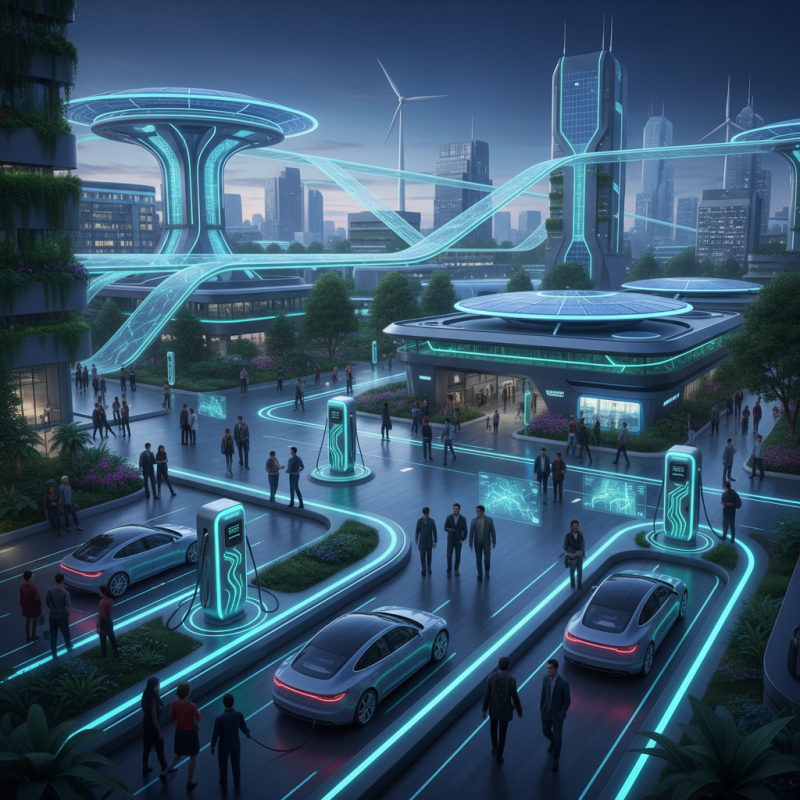
Identifying Key Factors in EV Charging Infrastructure Planning
Planning electric vehicle (EV) charging infrastructure requires a thorough understanding of various key factors. According to a report by the International Energy Agency (IEA), the global electric vehicle stock might reach 145 million by 2030. This surge necessitates an equally rapid expansion of charging infrastructure.
One critical factor is location. Urban areas might need more charging stations due to higher vehicle density. A study found that cities with more charging points see a 40% increase in EV adoption. Moreover, integration with public transport can enhance accessibility. Ensuring these stations are powered by renewable energy is crucial for sustainability. However, a challenge remains: many regions still lack the necessary grid capacity.
Another essential aspect is user experience. According to research by McKinsey, 70% of EV users cite the availability of charging points as a top concern. Fast charging technology is improving, but hurdles like software integration and payment systems can deter use. Regular feedback from users shows that convenience is paramount. Addressing these elements can lead to more effective infrastructure planning. It is worth reflecting on how current systems can evolve to meet future demands effectively.
Evaluating Current EV Charging Technologies and Their Applications
As electric vehicles (EVs) gain popularity, understanding current EV charging technologies is crucial. Charging infrastructure must adapt to meet the needs of diverse users. Many types of charging stations are available today. Level 1 chargers are basic and often found at home, providing slow but convenient charging. Level 2 chargers are quicker, making them suitable for workplaces and public areas. They significantly reduce charging time, promoting increased EV adoption.
DC fast chargers stand out for their speed. They can charge an EV to 80% in about 30 minutes. However, they require robust power sources and may need specific grid upgrades. Infrastructure planning needs to consider these factors. Furthermore, wireless charging technology is evolving, but is not widely adopted yet. Its convenience may lead to broader usage in the future.
Investing in charging stations is a challenge. Many cities lack sufficient infrastructure to support a growing number of EVs. Planners must carefully choose locations that maximize accessibility. Balancing cost and efficiency is not easy. Engaging with the community can provide insights into user needs. Thus, a holistic approach is critical for successful EV charging implementation.
Analyzing Urban vs. Rural Charging Infrastructure Needs
Urban and rural areas have distinct needs when it comes to electric vehicle (EV) charging infrastructure. Cities face high demand due to dense populations and extensive commuting. In these areas, chargers must be accessible to match the pace of urban life. Installing stations at multifamily dwellings is crucial. Moreover, public charging hubs need to be strategically located to minimize wait times. However, congestion and limited space can hinder efforts.
On the other hand, rural regions require a different approach. Here, the population density is low, which affects charging station placement. Distance between homes and workplaces can extend travel times for EV users. Solutions might include placing chargers at key locations like grocery stores or community centers. Yet, these areas often lack funding or resources for infrastructure development. This gap presents a challenge but also an opportunity for innovative planning.
While urban solutions may seem straightforward, not every city has the same resources. Rural areas, despite their challenges, can harness community-driven projects. Individuals and local businesses may collaborate to fund charging stations. Exploring these dynamics offers valuable insights. Understanding these distinct needs is essential for future planning efforts.
Strategizing Public-Private Partnerships for Infrastructure Development
Public-private partnerships (PPPs) are essential for building robust EV charging infrastructure.
These collaborations combine public resources with private expertise. Such synergies foster innovation and efficiency.
Involving different stakeholders can help identify the best locations for charging stations, maximizing accessibility for all EV users.
Strategically planning these partnerships requires careful negotiation. Local governments can offer incentives, while private companies bring investment and technology.
They must balance interests. Clarity in roles and responsibilities is vital. Confusion can lead to project delays and frustrations.
A model that outlines shared goals may facilitate smoother cooperation.
Moreover, community involvement plays a crucial role. Engaging with residents can provide valuable insights.
They understand traffic patterns and local needs. This kind of input can improve implementation.
However, not all feedback may be positive. Some might resist new infrastructure. It's important to address concerns rationally and with empathy.
Reflecting on challenges strengthens future efforts and leads to smarter solutions.
Forecasting Future Trends in EV Adoption and Charging Demand
As electric vehicles (EVs) gain traction, understanding future trends in EV adoption and
charging demand becomes crucial. Projections suggest that by 2026, millions more EVs will be on the road.
This rise signifies an increased necessity for accessible charging stations. Urban areas will likely see the highest concentration of
charging points. However, rural regions may lag, creating imbalances.
A key challenge is forecasting users' charging habits. Data indicates that many EV owners prefer charging at home.
But not everyone has the ability to install home charging solutions. Public charging infrastructure must bridge this gap,
providing reliable options for all. Trends show that fast-charging stations are becoming more popular,
with many consumers seeking quick refuels during their travels. This shift in preference puts pressure on providers to adapt.
Supporting EV growth also means considering the energy sources for charging stations.
Renewable energy integration is paramount. However, actual implementation often reveals hurdles in logistics
and costs. The push for green energy must align with growing charging infrastructures. Stakeholders will have to rethink strategies, ensuring
that all aspects of EV infrastructure are sustainable and equitable for future users.
FAQS
: Urban areas need accessible chargers due to dense populations. Stations should be located at multifamily dwellings for convenience.
Strategic placement of charging hubs reduces wait times. Locations should consider high-traffic areas to enhance accessibility for users.
Rural regions often have low population density. This affects charging station placement and can lead to longer travel times for users.
Key locations like grocery stores and community centers are ideal. They provide necessary access, despite funding limitations.
PPPs combine public resources with private expertise. This partnership fosters innovation and ensures efficient infrastructure development.
Community feedback is crucial for understanding local needs. However, not everyone may support new installations, leading to potential resistance.
Confusions about roles and responsibilities can delay projects. Clear communication is essential to prevent misunderstandings and ensure project success.
Collaborative efforts from locals and businesses can drive funding. This community-driven approach can create tailored solutions for rural needs.
Conclusion
The article "2026 Best Strategies for Planning EV Charging Infrastructure" provides a comprehensive overview of the essential elements in developing effective EV charging solutions. It begins by identifying key factors necessary for successful infrastructure planning, including location, accessibility, and safety considerations. The evaluation of current EV charging technologies highlights their applications across various environments, emphasizing the distinct requirements for urban and rural areas.
Additionally, the piece discusses the importance of strategizing public-private partnerships to facilitate infrastructure development, ensuring that various stakeholders collaborate effectively. Lastly, it projects future trends in EV adoption and charging demand, equipping planners with the foresight needed to adapt their strategies. In essence, the article serves as a valuable guide on how to plan EV charging infrastructure for new developments, ensuring a sustainable and user-friendly charging network for the future.

 Greenvora Charger