As electric vehicle (EV) adoption surges, managing the grid load from multiple DC EV chargers becomes crucial. Experts stress the need for effective strategies. Dr. Emily Chen, a leading authority in renewable energy systems, emphasizes, "Balancing grid load with multiple DC EV chargers is not just a challenge; it's an opportunity to innovate."
To balance grid load with multiple DC EV chargers, various methodologies are explored. Smart charging, demand response, and energy storage systems appear vital. However, implementing these solutions is not without challenges. For instance, energy demand can skyrocket during peak hours, straining the grid. Innovators must consider real-time data analysis and predictive analytics to make adjustments.
This topic is crucial as our society shifts toward sustainable transportation. Stakeholders must address these complexities to create a reliable charging infrastructure. Finding the best ways to balance grid load with multiple DC EV chargers requires ongoing collaboration and creativity. While progress has been made, the journey is far from complete. Future studies and innovative technologies will continue to shape this evolving landscape.
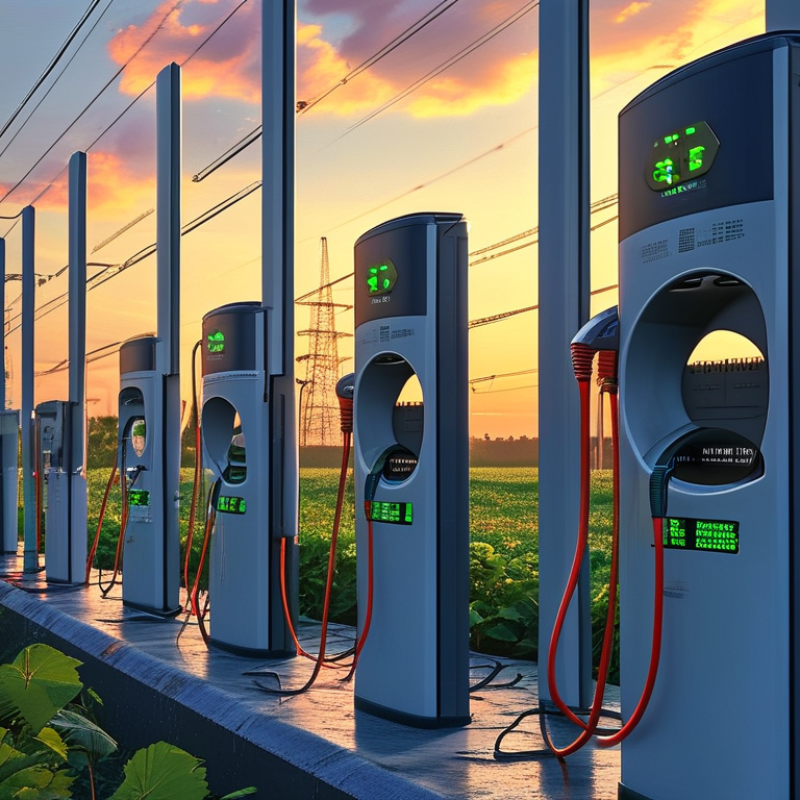
Understanding Grid Load Balancing for EV Charging
Grid load balancing is crucial as electric vehicle (EV) adoption increases. With multiple DC EV chargers, managing demand on the grid becomes challenging. Understanding how to balance this load effectively can prevent outages and optimize energy use, ensuring a more reliable charging experience.
Tips for effective grid load balancing include real-time monitoring of energy consumption. This allows facilities to anticipate peak usage times. Consider implementing smart charging technology. It can adjust charging speeds based on grid conditions, distributing load evenly. Regularly assess and upgrade infrastructure. Aging systems may struggle under increased demand, leading to inefficiencies.
A potential challenge is the unpredictability of EV charging demand patterns. Some users may charge their vehicles at peak times, straining the grid. Flexible pricing models can help mitigate this. Encouraging off-peak charging can shift some load away from critical periods. Engaging with local utilities can provide insights into reducing grid stress during peak periods.
Importance of Multiple DC EV Chargers in Load Management
The increasing adoption of electric vehicles (EVs) emphasizes the need for multiple DC EV chargers. These chargers play a crucial role in effective load management. Their integration allows for a more balanced distribution of electrical demand. This helps avoid overwhelming the grid during peak hours. It also ensures that there are no delays for EV drivers needing a charge.
Consider the layout of charging stations. A well-planned arrangement can prevent congestion. It should account for various charging speeds and vehicle types. This diversity allows for efficient energy use. Additionally, ensure that energy monitoring systems are in place. They help track usage patterns and adjust energy flow accordingly.
Optimizing charging schedules is essential. Implementing smart chargers can help optimize when vehicles receive power. This reduces strain on the grid during high-demand periods. Charging stations may struggle with simultaneous demands. Flexibility in charging times can alleviate those pressures. Continuous assessment of energy resources remains vital in this evolving sector.
Strategies for Optimizing Energy Demand with Smart Charging
As electric vehicles (EVs) become mainstream, managing energy demand is crucial. Smart charging strategies can help balance grid load effectively. These methods allow for real-time monitoring of energy usage. By optimizing charging times, we can reduce the stress on the electrical grid.
Implementing smart charging solutions may require an investment in advanced technology. Chargers equipped with communication capabilities can analyze energy availability. If renewable energy sources are abundant, EVs can charge during peak production times. However, coordinating multiple chargers poses challenges. Simultaneous charging can still create surges in demand. Flexibility in charging schedules can mitigate this issue, but it requires cooperation from users.
Effective communication between EV owners and energy providers is essential. Stakeholders must establish clear protocols for managing load allocation. Building user awareness about peak and off-peak charging can facilitate smoother operations. Yet, not all users may adapt quickly to new charging habits. Continuous feedback and adjustment of strategies will be necessary. The path to optimizing energy demand is complex, with both successes and hurdles ahead.
2026 Best Ways to Balance Grid Load with Multiple DC EV Chargers
| Strategy |
Description |
Estimated Impact on Load Balancing |
Implementation Difficulty (1-5) |
Cost Range (USD) |
| Dynamic Load Balancing |
Adjusting the power supplied to each charger dynamically based on demand. |
High |
4 |
$5,000 - $15,000 |
| Time-of-Use Charging |
Encouraging customers to charge during off-peak hours with pricing incentives. |
Medium |
3 |
$1,000 - $4,000 |
| Smart Charging Infrastructure |
Investing in infrastructure that allows for communication between EVs and the grid. |
Very High |
5 |
$20,000 - $50,000 |
| Battery Storage Integration |
Utilizing battery storage systems to manage and store energy for peak charging times. |
High |
4 |
$10,000 - $30,000 |
| Vehicle-to-Grid Technology |
Allowing EVs to return stored energy to the grid during peak demand. |
Very High |
5 |
$15,000 - $40,000 |
Technological Innovations for Enhanced Load Balancing
As the number of electric vehicles (EVs) surges, balancing grid load becomes crucial. Technological innovations play a vital role in this process. Smart charging systems are now more advanced, allowing flexible energy allocation among multiple DC EV chargers. These systems can communicate with the grid in real-time. By analyzing demand and supply, they optimize charging schedules.
Energy storage solutions also contribute significantly. Battery storage systems can store excess renewable energy during low demand periods. This stored energy can then supply EV chargers during peak usage. However, integrating these technologies presents challenges. The complexity of coordination and potential cybersecurity risks require continuous evaluation. It's essential to develop robust systems that safeguard both the grid and users.
Moreover, user behavior affects load balancing. Promoting off-peak charging can help. Yet, not all users are willing to change their habits. Addressing this cultural shift in EV charging patterns is crucial for effective load management. The future lies in creating an ecosystem that balances technology and user engagement.
2026 Best Ways to Balance Grid Load with Multiple DC EV Chargers
This chart illustrates the various methods of balancing grid load when multiple DC Electric Vehicle (EV) chargers are in use, highlighting their effectiveness in load balancing based on research data from 2026.
Regulatory and Infrastructure Challenges in Grid Load Management
The transition to electric vehicles (EVs) is reshaping the grid. However, managing the grid load while accommodating multiple DC EV chargers poses several regulatory and infrastructure challenges. Local policies often lag behind technological advancements. Many regions lack clear guidelines for integrating EV chargers into existing grid systems. This creates uncertainty for developers and energy providers alike.
Infrastructure issues also play a significant role. Aging power lines struggle to handle increased demand. This can lead to outages during peak charging times. Upgrading infrastructure is expensive and time-consuming. Additionally, coordination among various stakeholders is often inefficient. Different regulations across jurisdictions can complicate the installation and operation of charging stations.
Incentives for installation are sometimes misaligned. For instance, some areas offer tax breaks for EV users but lack support for charging infrastructure. This can result in a mismatch between EV users and available charging points. While innovation in load management technologies is promising, regulatory frameworks must evolve to keep pace. Achieving a sustainable balance requires more than just technology; it demands collaborative efforts among local governments, utilities, and consumers.
Conclusion
The article "2026 Best Ways to Balance Grid Load with Multiple DC EV Chargers" explores effective strategies for managing grid load amidst the rising demand for electric vehicle (EV) charging infrastructure. It underscores the significance of understanding grid load balancing and the critical role multiple DC EV chargers play in efficient load management. By implementing smart charging strategies, stakeholders can optimize energy demand and enhance overall charging efficiency.
Furthermore, the article discusses technological innovations that facilitate improved load balancing, alongside the regulatory and infrastructure challenges that need to be addressed. By examining these key areas, the article provides valuable insights into how to balance grid load with multiple DC EV chargers, ensuring a sustainable and resilient charging network for the future.

 Greenvora Charger