In the rapidly evolving world of fleet management, understanding how to choose a charger for fleet management is crucial. Fleet operators face numerous challenges, including efficiency, cost-effectiveness, and reliability. Selecting the right chargers can significantly impact overall performance and operational costs. By focusing on essential criteria, fleet managers can make informed decisions that align with their unique requirements.
Consider the various types of chargers available in the market. Not all chargers are created equal; some are optimized for speed while others prioritize longevity. Evaluate the charging technology, compatibility with fleet vehicles, and the specific needs of your operations. Think about the potential for future expansion as well. An ill-suited charger can lead to downtime, hampering productivity.
Additionally, reflect on the service and warranty offered by manufacturers. A reliable partner can make all the difference when issues arise. Gathering insights from peers or industry experts can shed light on best practices. Emphasizing these key factors will ensure that your choice supports your fleet management goals. In an industry where every decision counts, understanding how to choose a charger for fleet management is imperative for lasting success.
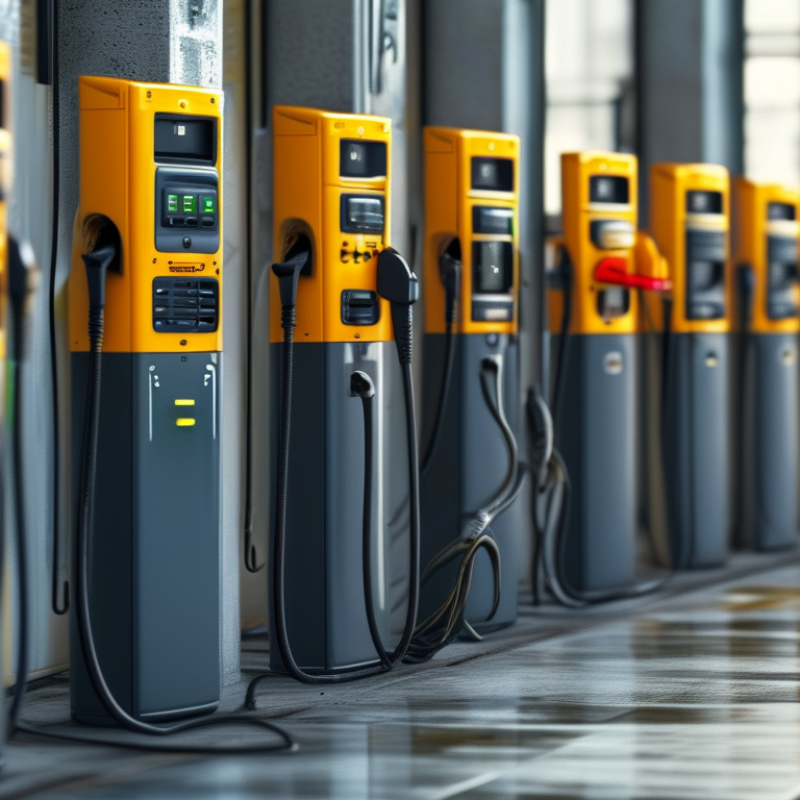
Understanding the Importance of Chargers in Fleet Management
In fleet management, the role of chargers is often underestimated. Selecting the right charger can significantly impact operational efficiency and vehicle performance. A well-chosen charger ensures vehicles remain charged, avoiding costly downtimes. This is crucial for maintaining productivity and meeting schedules.
Consider the compatibility of chargers with your fleet. This can prevent potential issues in the long term. Evaluate charging speeds; faster chargers can reduce vehicle downtime, but they may also increase energy costs. Look into the charging infrastructure in your area. A well-connected network can ease the charging process for your fleet.
Do not overlook the importance of durability. Chargers endure harsh conditions, and choosing robust models can save costs in replacements. Regular maintenance and monitoring are essential. They can prevent unplanned failures and extend the life of your chargers. This attention to detail is what sets effective fleet management apart. It's a continuous learning journey, and being proactive is key to success.
Evaluating Charger Compatibility with Fleet Vehicles
When selecting chargers for fleet management, evaluating compatibility with fleet vehicles is crucial. Not all chargers work with every vehicle. The right charger must match the vehicle's battery type and voltage. A report from the International Council on Clean Transportation states that using the wrong charger can lead to inefficiencies and potential damage.
Significant variability exists in charging standards. Studies show that 30% of fleet operators experience issues related to charger compatibility. This often results in increased downtime and operational costs. Fleet managers should consider the charging port type and required power output as key factors in their decision-making process.
Moreover, understanding the charging speed is essential. Many fleets require fast charging to minimize vehicle idle time. Yet, chargers with higher output may not suit every vehicle. Operators must assess their operational needs carefully. They should gather data on vehicle usage patterns and charging requirements. This insight will guide informed decisions. Investing time in this evaluation can save future complications and costs.
Analyzing Charging Speed and Efficiency for Optimal Performance
Selecting the right chargers for fleet management requires careful analysis of charging speed and efficiency.
The charging speed is crucial for minimizing downtime. According to industry reports, the deployment of fast chargers can reduce vehicle downtime by up to 30%.
This is significant for companies that operate on tight schedules. Faster charging options not only enhance productivity but also improve the overall sustainability of fleet operations.
Efficiency is another key factor. A charging station's overall efficiency directly impacts operational costs. Reports suggest that more efficient chargers can lead to energy savings of approximately 20%.
Investing in high-quality chargers reduces energy waste and lowers utility bills. However, these efficient systems can come with higher upfront costs.
Finding the right balance between initial expense and long-term savings is essential.
Fleet managers should also consider the compatibility of chargers with various vehicle types. Not all charging solutions work with every electric vehicle.
This variation can create complications and lead to inefficiencies in fleet operations. Thoughtful planning in charger selection is necessary to avoid mismatches that can hinder performance.
Addressing these concerns proactively can enhance the effectiveness of fleet management strategies.
Assessing Cost Versus Longevity in Charger Selection
Choosing the right chargers in fleet management is critical. It’s essential to weigh cost against longevity. According to a report from the International Energy Agency, fleets are increasingly investing in durable charging solutions. A charger’s lifespan often influences overall fleet operational costs. High-quality chargers may have a higher upfront cost but can significantly reduce maintenance and failure rates.
The average lifespan of a commercial charger is approximately five to seven years. In contrast, cheaper models may only last two to three years. This longevity translates into reduced replacement frequency. Fleets using durable chargers have reported up to 30% lower total cost of ownership over five years. Such statistics emphasize the importance of assessing long-term benefits versus initial savings.
Moreover, reliability remains a concern. Frequent charger malfunctions can lead to costly downtime. Reports indicate that maintenance costs for less robust chargers can rise by 15% annually. Taking time to evaluate charger specifications can provide valuable insights. Choosing chargers based on their durability ensures efficient fleet operations. Rushing this decision might lead to higher cumulative costs later.
Top 10 Tips for Choosing Chargers in Fleet Management
| Tip Number |
Tip |
Cost Consideration |
Longevity Factor |
| 1 |
Assess Charging Speed |
Higher initial cost for faster chargers |
Reduced downtime leads to increased efficiency |
| 2 |
Evaluate Power Requirements |
Invest in future-proof technology |
Longer lifespan with adequate power capacity |
| 3 |
Consider the Environment |
Potential rebates for eco-friendly options |
Durability in various weather conditions |
| 4 |
Look for Maintenance Needs |
Lower ongoing costs for easy maintenance |
Longer life with proactive care |
| 5 |
Check Compatibility |
Avoid extra costs for adapters |
Enhanced lifespan through optimal connections |
| 6 |
Review Warranty Options |
Longer warranty can mean higher initial cost |
Guarantees durability and reliability |
| 7 |
Analyze User Reviews |
Savings on poor investments |
Feedback often reflects longevity |
| 8 |
Consider Smart Features |
Initial cost may be higher |
Updates can extend lifespan |
| 9 |
Evaluate Total Cost of Ownership |
Consider maintenance and operation costs |
Selecting efficient models enhances longevity |
| 10 |
Plan for Upgrades |
Budget for future technology advancements |
Long-term planning supports longevity |
Exploring Advanced Features and Technologies in Chargers
When selecting chargers for fleet management, advanced features and technologies play a pivotal role in optimizing efficiency. Smart charging systems leverage data analytics to assess energy consumption patterns. According to a report by the International Council on Clean Transportation, fleets utilizing these systems can reduce charging costs by up to 30%. The real challenge lies in embracing these technologies effectively.
Wireless charging is gaining momentum in fleet operations. This technology eliminates the need for physical connections, reducing wear and tear on vehicles. Research indicates that fleets implementing wireless solutions report significant time savings during peak operational hours. However, the initial investment can be daunting. Many fleets hesitate to adopt this technology without proven, reliable data backing its long-term benefits.
Another critical aspect is interoperability. Not all chargers are compatible with every vehicle type. A study by the Electric Vehicle Infrastructure Transportation Association highlights that 40% of fleet operators encounter compatibility issues. Planning for future vehicle integration is crucial. Failing to do so can lead to costly retrofits and operational disruptions. Understanding these advanced technologies is essential for making informed decisions in fleet management.
Conclusion
When considering how to choose a charger for fleet management, it is essential to understand the critical role chargers play in maintaining vehicle performance and operational efficiency. Evaluating charger compatibility with various fleet vehicles ensures that each unit can effectively meet the unique needs of the fleet. Additionally, analyzing charging speed and efficiency is vital for minimizing downtime and maximizing productivity.
Furthermore, assessing the balance between cost and longevity in charger selection is crucial, as it impacts the total lifecycle cost of charging equipment. Finally, exploring advanced features and technologies in chargers can provide enhanced functionalities, such as smart charging capabilities, which contribute to better fleet management. By following these guidelines, fleet managers can optimize their charging infrastructure and improve overall fleet performance.

 Greenvora Charger