In the rapidly evolving field of electric vehicles (EVs), effective planning is crucial. Experts like Dr. Anna Thompson emphasize the importance of foresight in this area. She once said, "A charging network must evolve as technology and demand change." Understanding how to plan long-term EV charging network expansion is key to accommodating future growth.
Many cities face challenges in their EV infrastructure. As more people embrace electric cars, the demand for accessible charging options will rise. Planning must consider geographical distribution, population density, and user habits. Relying on outdated models can lead to insufficient coverage and frustrated users. The goal is to create a network that is reliable and user-friendly.
Real-world examples highlight the complexities involved. Inadequate charging stations can discourage EV adoption. Consequently, stakeholders must engage with local communities to identify needs and preferences. This collaboration is essential to build trust and ensure the network accommodates everyone's requirements. Addressing these concerns thoughtfully can pave the way for a sustainable EV future.
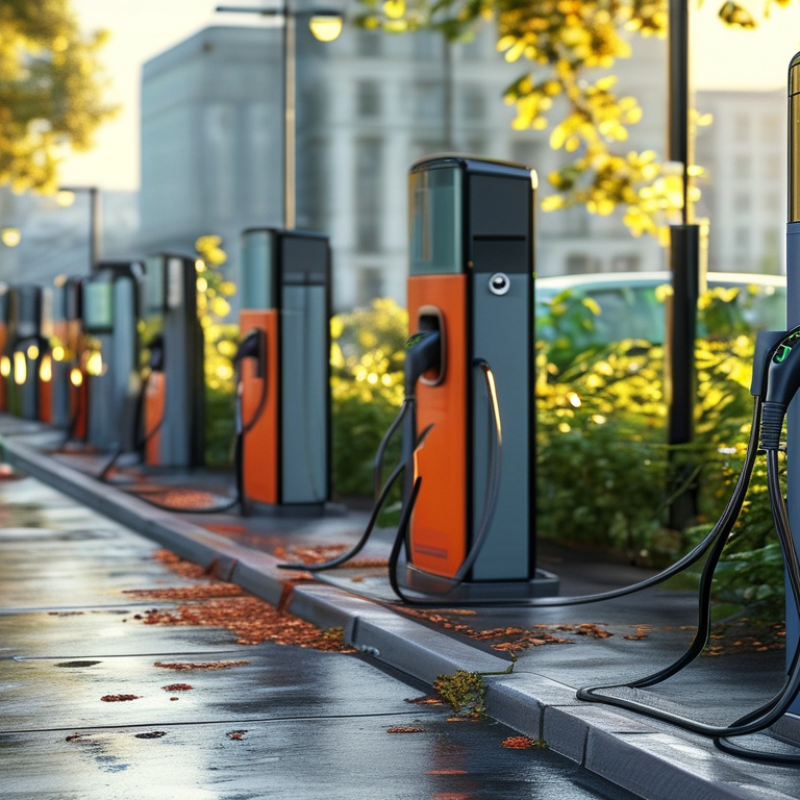
Assessing current EV charging infrastructure needs and gaps is essential for effective long-term planning. Many regions lack sufficient charging stations. Some urban areas may have clusters of chargers, but rural zones often remain underserved. Understanding these discrepancies helps prioritize future installations.
Data analysis is vital in this assessment. Gathering insights on EV usage patterns is necessary to identify high-demand locations. Surveys can reveal user preferences, such as charging speed and accessibility. Local studies might also uncover hidden gaps in the current infrastructure. For instance, areas near popular destinations might need more fast chargers.
Collaboration with local governments can enhance planning efforts. Engaging stakeholders fosters a comprehensive approach to address needs. Yet, there must be ongoing evaluation of installed chargers. Not all deployed stations may be utilized effectively, highlighting room for improvement. Continuous feedback loops can provide valuable insights into usage trends and emerging gaps.
Effective EV charging location selection is crucial for the success of long-term network expansion. Understanding traffic patterns is essential. Areas with heavy traffic or significant footfall attract more users. Analyze data on commuter habits, public transport routes, and popular destinations. Collaborate with local governments for insights on urban planning.
Accessibility is another key factor. Charging stations should be easy to reach and have adequate parking space. Consider locations near shopping centers, restaurants, or offices. The ideal spot balances convenience for drivers and available infrastructure. While these locations may seem promising, reflecting on potential challenges is important. What about grid capacity? Will there be enough power supply for multiple stations?
User experience must also be taken into account. Stations should have clear signage, be well-lit, and maintain a clean environment. Gather feedback from early users to make improvements. Mistakes may be made in early selections. Perhaps insights from initial data collection are overlooked. Revisiting initial plans will help refine strategies for future expansions.
| Location Type | Distance to Major Highways (miles) | Population Density (people/sq mile) | Average Daily Traffic (vehicles/day) | Nearby Amenities | Estimated Charging Sessions per Day | Cost of Set-Up ($) |
|---|---|---|---|---|---|---|
| Urban Center | 2 | 10000 | 50000 | Restaurants, Shops | 150 | 100000 |
| Shopping Mall | 1 | 8000 | 30000 | Shopping, Entertainment | 200 | 120000 |
| Gas Station | 0.5 | 5000 | 25000 | Food, Convenience Store | 100 | 75000 |
| Public Parking Lot | 0.8 | 6000 | 15000 | Restrooms | 75 | 30000 |
| Highway Rest Area | 0 | 200 | 5000 | Food, Restrooms | 50 | 50000 |
As the demand for electric vehicles (EVs) continues to grow, developing a scalable expansion strategy for charging stations becomes essential. According to a report by the International Energy Agency (IEA), global EV sales surpassed 10 million in 2022, signaling a surge in charging needs. This rapid increase necessitates a thoughtful approach to infrastructure planning.
An effective strategy involves identifying high-traffic areas for new stations. Locations near shopping centers, business districts, and highways are critical. Data from multiple studies shows that 75% of EV owners prefer charging at convenient spots. Moreover, forecasts suggest that by 2030, the U.S. will need over 1.2 million public charging points to support the estimated 18 million EVs on the road.
While aiming for broad coverage, it's vital to also focus on reliability. Many current networks face issues like downtime and maintenance delays. Regular assessments are crucial to ensure chargers are operational. Future planning should also consider renewable energy integration to meet sustainability goals. There’s a learning curve; observing early adopter systems can inform better practices moving forward. Investing in smart technology for real-time monitoring may minimize outages and enhance user experience.
Building an effective EV charging network demands active engagement with various stakeholders. City planners, utility companies, and local businesses must collaborate for a successful rollout. Each stakeholder often has unique needs and concerns. For instance, a local business may worry about the potential disruption during installation. Addressing these concerns head-on fosters trust and lays the foundation for effective partnerships.
Public outreach plays a crucial role in this process. Organizing community forums helps gather input and increases awareness. These venues allow residents to voice preferences and ask questions. Sometimes, feedback reveals unforeseen challenges, such as lack of spaces for chargers in dense urban areas. Additionally, engagement can highlight areas with insufficient current infrastructure.
It's essential to remain flexible in planning. Expectations may change as technology evolves or new regulations emerge. A partnership that thrives today might need adjustment tomorrow. By keeping open lines of communication, stakeholders can adapt together. This adaptability helps the network grow in a way that benefits everyone involved. Embracing a collaborative spirit ultimately leads to better solutions for long-term EV charging expansion.
The expansion of electric vehicle (EV) charging networks must focus on integrating technological advancements. The International Energy Agency (IEA) reported that the global EV stock surpassed 10 million units in 2020, highlighting an urgent need for efficient charging solutions. Innovative technologies can enhance user experience and optimize resource use effectively.
Smart charging systems represent a significant leap forward. They allow for dynamic load management, which adjusts power distribution based on demand. This prevents grid overload during peak times. According to a recent study, implementing such systems can reduce operational costs by up to 30%. Additionally, utilizing renewable energy sources can further decrease emissions and costs.
Tip: Consider investing in energy storage solutions. They can store renewable energy during off-peak hours. This flexibility ensures that charging stations operate efficiently.
Addressing infrastructure gaps is also vital. As of 2021, the U.S. needed over 300,000 charging points to meet projected EV numbers. Cities should invest in deploying fast chargers in strategic locations. The challenge lies in balancing the growth of charging infrastructure with the existing electrical grid's capabilities.
Tip: Engage local stakeholders in planning discussions. Their insights can help identify optimal locations for charging stations, ensuring accessibility and user comfort.
: A scalable strategy is crucial as EV demand increases, necessitating proper planning for infrastructure.
High-traffic areas like shopping centers, business districts, and highways are ideal for new stations.
Reliability ensures that chargers are operational, reducing downtime and enhancing user experience for EV owners.
Engagement among city planners, utility companies, and local businesses is vital for effective collaboration.
Public forums gather input, raise awareness, and reveal challenges like space limitations for chargers in urban areas.
Investing in smart technology for real-time monitoring can minimize outages and improve reliability for users.
Local businesses may face disruption during installation, impacting their operations and requiring careful communication.
Technology and regulations change, so adaptable planning allows stakeholders to adjust accordingly and meet evolving needs.
Feedback can uncover unforeseen challenges and highlight areas lacking sufficient infrastructure for charging stations.
Open communication and adaptability among all parties involved can lead to better solutions and sustainable growth.
In the pursuit of understanding **how to plan long-term EV charging network expansion**, it is crucial to start by assessing the current EV charging infrastructure to identify existing needs and gaps. This initial analysis allows for a more informed selection of key locations for new charging stations, ensuring accessibility and convenience for EV users.
Following this, a scalable expansion strategy must be developed, which takes into consideration future growth and technological advancements in charging solutions. Furthermore, engaging with stakeholders—such as local governments, utility companies, and community organizations—is essential for fostering collaborative efforts and ensuring an integrated approach to network growth. By focusing on these aspects, a comprehensive and effective long-term charging network can be established, supporting the increasing adoption of electric vehicles.

Greenvora Charger