How to Ensure Safety in Industrial EV Charging Systems

Time:2026-06-25 Author:Sophia
0%

As the demand for electric vehicles (EVs) surges, ensuring safety in industrial EV charging systems becomes increasingly vital. According to the International Energy Agency (IEA), global EV sales reached 10 million units in 2022, reflecting a 60% increase from the previous year. With this growth, charging infrastructure must be robust and secure to handle the rising volume. Organizations must address potential hazards associated with high-capacity chargers and their installation processes.

To effectively tackle the challenge of "How to ensure safety in industrial EV charging systems," experts emphasize the importance of compliance with established safety standards. The National Fire Protection Association (NFPA) outlines guidelines for electrical safety that are essential for preventing fire hazards. Additionally, a recent report from the Institute of Electrical and Electronics Engineers (IEEE) highlights that improper charging practices can lead to significant risks, including electrical shock and equipment damage.

Despite the advancements in technology, there are still gaps in safety protocols that must be addressed. Regular training for personnel involved in installation and maintenance is crucial. Furthermore, proactive monitoring of charging stations can help identify issues before they escalate. While progress has been made, continuous improvement in safety measures is needed to protect both users and equipment.
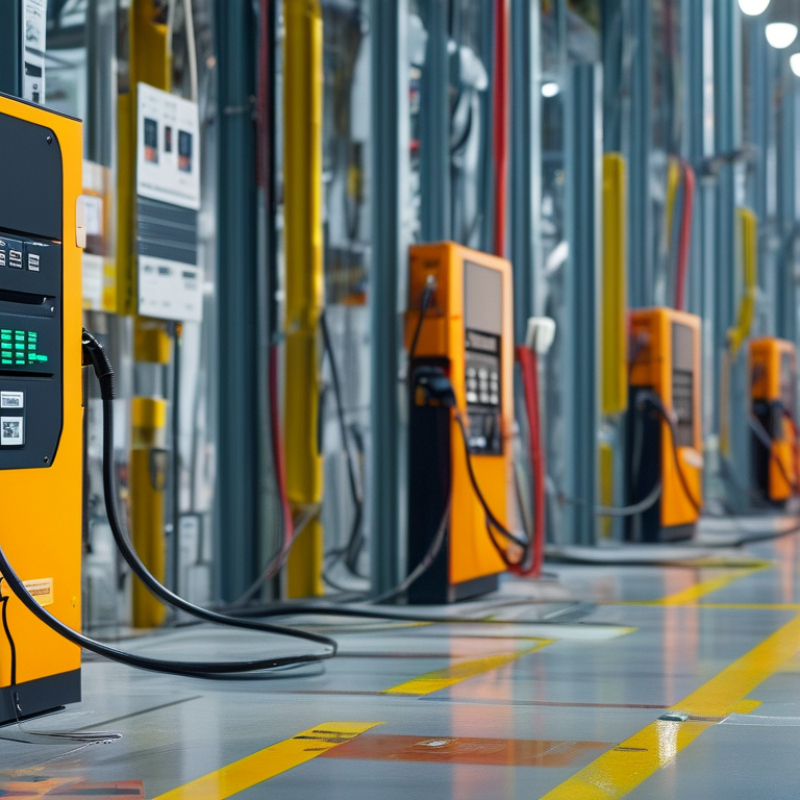
How to Ensure Safety in Industrial EV Charging Systems

Overview of Industrial EV Charging Systems and Their Importance

Industrial electric vehicle (EV) charging systems play a crucial role in modern transportation and energy management. These systems enable fleets of electric vehicles to charge efficiently and effectively. Their importance is magnified as companies strive for sustainability. Enhanced charging infrastructure supports increased EV adoption and reduces reliance on fossil fuels.

However, maintaining safety in these systems is complex. Various factors can compromise this safety, including electrical faults and inadequate user training. The risk of accidents can be high if personnel are not properly educated on operating these systems. Regular training programs and comprehensive guidelines can help mitigate these risks.

The infrastructure itself requires diligent oversight. Regular maintenance checks are essential to ensure charging stations function properly. Monitoring technology can predict and prevent potential failures. Yet, some facilities fail to prioritize these maintenance checks, exposing users to hazards. Companies must reflect on their practices and push for a culture of safety to protect their staff and assets.

How to Ensure Safety in Industrial EV Charging Systems

Aspect Details Importance
Charging Infrastructure Dedicated charging stations equipped with safety features. Reduces risks of electrical hazards and increases operational efficiency.
Electrical Safety Standards Compliance with local and international safety regulations (e.g., IEC, NEC). Ensures reliability and safety of charging equipment.
Overcurrent Protection Use of circuit breakers and fuses to prevent overload. Prevents damage to equipment and avoids fire hazards.
User Training Training for personnel on safe charging practices and emergency procedures. Increases preparedness and minimizes the risk of accidents.
Regular Maintenance Scheduled checks and repairs of charging equipment. Ensures longevity of equipment and operational safety.
Emergency Response Plans Developing and practicing emergency protocols. Enhances safety and reduces response time in case of incidents.

Key Safety Standards and Regulations for EV Charging in Industry

In the industrial sector, ensuring safety in EV charging systems is crucial. Adhering to key safety standards and regulations can mitigate risks associated with electric vehicle charging. Organizations should focus on understanding the specific requirements that govern their operations, including compliance with local and international standards.

Workers must be properly trained in the installation and maintenance of charging stations. Regular safety audits can identify potential hazards. Implementing a robust safety management system is essential. It should include emergency protocols and routine inspections to ensure every component functions correctly.

Tips: Consider using signage to remind staff of safety practices. Clear visual cues can reinforce training and highlight critical procedures. Additionally, establish a reporting system for safety concerns. Encourage workers to voice their observations. Over time, this feedback can help improve overall safety. Evaluate the equipment regularly; wear and tear can pose safety risks. Addressing these factors proactively helps create a safer work environment.

Risk Assessment and Hazard Analysis in Industrial EV Charging Areas

In industrial environments, ensuring safety in EV charging areas is critical. Risk assessment and hazard analysis can prevent accidents. These processes identify potential threats before they occur. Properly evaluating risks can lead to effective safety measures.

When assessing hazards, consider the electrical infrastructure. Overloading circuits can lead to failures. Monitor equipment closely. Inadequate ventilation can increase the risk of overheating. Analyze the layout of charging stations. Ensure they are easily accessible and not too cramped.

Tips for effective hazard analysis: Regularly inspect charging equipment. Create a checklist for maintenance. Train staff on emergency procedures. Encourage open communication about safety concerns. This proactive approach fosters a culture of safety but also highlights areas needing improvement. Understanding weaknesses in safety protocols can lead to stronger systems.

Best Practices for Installation and Maintenance of Charging Stations

When installing EV charging stations, safety must be a top priority. Proper grounding is critical. According to the National Fire Protection Association, nearly 80% of electrical fire incidents are linked to improper grounding. All chargers should be installed by certified professionals. This ensures compliance with the latest safety codes and standards.

Regular maintenance is equally essential. The Electric Power Research Institute highlights that regular inspections can reduce system failure by over 30%. Inspect connectors and cables for wear. Look for signs of overheating or corrosion. These issues can lead to dangerous situations.

A dedicated maintenance schedule will help catch problems early. A study from the International Energy Agency found that timely maintenance extends the life of charging infrastructure. However, many facilities neglect this step. Over time, this can lead to costly repairs or safety hazards. Institutions need to prioritize ongoing training for staff. This promotes a culture of safety in EV charging operations.

Training and Emergency Response Strategies for Industrial Charging Safety

Training is essential for ensuring safety in industrial EV charging systems. Workers should undergo regular training sessions. These should cover proper procedures for connecting and disconnecting chargers. Participants can practice on various equipment. Hands-on training encourages familiarity and reduces anxiety during real scenarios.

Emergency response strategies are equally vital. Each facility should have a clear action plan. This plan should detail how to handle accidents or equipment failures. Regular drills are necessary to keep everyone prepared. Emergency response teams need coordination and communication skills. Unforeseen events can create panic. Workers must know their roles in such situations.

Real-life incidents sometimes expose gaps in training. Observing how employees react can reveal weaknesses. Regular review of protocols helps identify improvements. Encouraging feedback fosters a culture of safety. Mistakes should be seen as learning opportunities. Continuous improvement creates a safer working environment.

FAQS

: Why is risk assessment important in EV charging areas?

: It identifies potential threats before they lead to accidents.

What should be monitored to ensure safety?

Closely monitor electrical infrastructure and equipment usage.

How can ventilation affect safety in charging stations?

Inadequate ventilation can increase the risk of overheating.

What is a key element in installing charging stations?

Proper grounding is critical for safety and compliance.

How can regular maintenance help charging systems?

It can reduce system failure by over 30% and extend infrastructure life.

What should the maintenance schedule include?

Regular inspections of connectors and cables for wear and overheating.

How often should workers undergo training?

They should participate in regular training sessions about safety procedures.

Why is an emergency response plan necessary?

It details how to handle accidents and keeps everyone prepared.

What can real-life incidents reveal about training?

They can show gaps in protocols and areas needing improvement.

How can facilities create a culture of safety?

By encouraging feedback and viewing mistakes as learning opportunities.

Conclusion

Ensuring safety in industrial EV charging systems is critical for enhancing operational efficiency and protecting both personnel and equipment. The article provides an overview of these systems, emphasizing their significance in supporting the growing demands for electric vehicle infrastructure in industrial settings. A thorough understanding of key safety standards and regulations is essential, alongside risk assessment and hazard analysis tailored for charging areas to identify potential dangers.

Best practices for the installation and maintenance of charging stations play a vital role in minimizing risks. These practices include regular inspections, compliance with safety codes, and implementing robust maintenance protocols. Additionally, effective training programs and emergency response strategies are pivotal in preparing staff to handle incidents appropriately, thereby reinforcing safety measures. By focusing on these comprehensive approaches, organizations can effectively ensure safety in industrial EV charging systems.

Sophia

Sophia

Sophia is a dedicated marketing professional with an exceptional depth of knowledge about her company's products and services. With a keen understanding of market trends and customer needs, she crafts insightful blog posts that not only inform but also engage readers, enriching the company’s online......