Why Charging Speed Is Crucial for Electric Vehicles?

Time:2026-06-01 Author:Oliver
0%

The electric vehicle (EV) revolution has transformed the automotive landscape, bringing forth significant advancements. Among these changes, charging speed stands out as a critical factor for drivers. Why charging speed matters for electric vehicles is a question that goes beyond mere convenience. It affects the overall usability of EVs, influencing consumer choices and behaviors.

Modern drivers seek efficiency. Long wait times at charging stations can deter potential EV owners. If a vehicle takes too long to recharge, it may become impractical for daily use. Fast charging options are crucial in making electric vehicles viable for a broader audience. They can bridge the gap between traditional gasoline vehicles and their electric counterparts.

Moreover, the growing infrastructure must support rapid charging. Current trends reveal that many users still experience challenges related to charging speeds. Gaps in the available network can raise potential concerns. In an ideal scenario, charging speed should not impede long-distance travel. Ultimately, addressing these issues can enhance user trust and promote widespread adoption of electric vehicles.
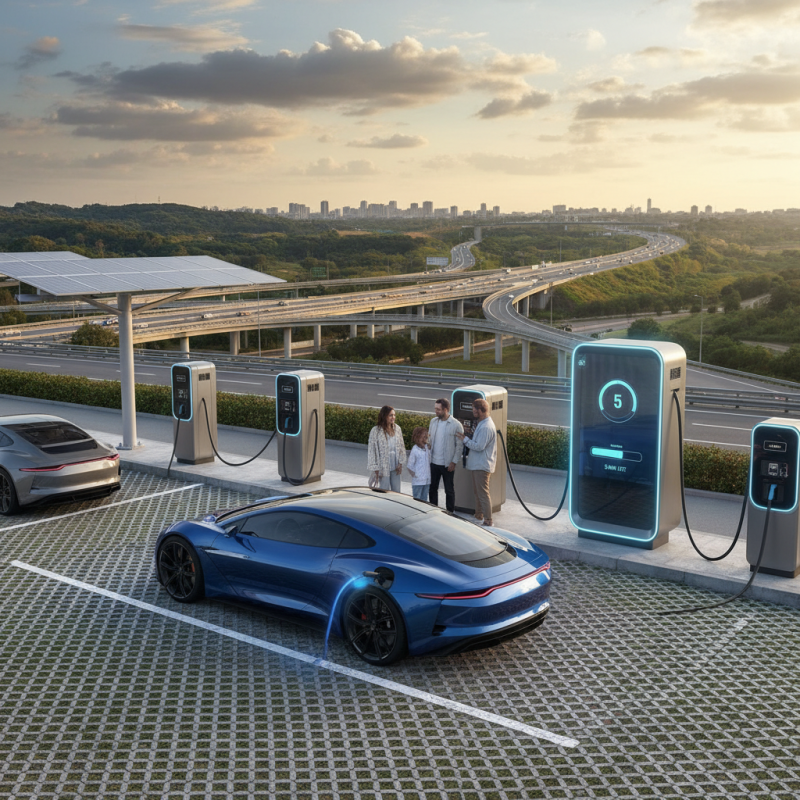
Why Charging Speed Is Crucial for Electric Vehicles?

Importance of Charging Speed for Electric Vehicle Adoption

Charging speed plays a vital role in the adoption of electric vehicles (EVs). Fast charging can significantly reduce the downtime for drivers, making EVs more appealing for everyday use. For those who rely on their vehicles for commuting, a quick recharge often determines whether they will consider an electric alternative.

Improved charging speed directly impacts the convenience factor associated with EV ownership. Imagine stopping for a coffee and finding a quick charging option available. If it takes only 20 minutes to recharge enough for the next 100 miles, this can change perceptions about EVs. However, not all charging stations provide the same speed. Many stations still offer slower options, which may lead to frustration and hesitation among potential adopters.

Consumer confidence hinges on reliable charging infrastructure. If drivers cannot easily find fast charging stations, the fear of running out of battery persists. This anxiety can hold back the transition to electric mobility. It is essential for the industry to invest in the development and expansion of fast-charging networks. Creating a seamless charging experience can foster a more robust adoption of electric vehicles.

Impact of Charging Speed on User Experience and Convenience

Charging speed is a vital aspect of the electric vehicle (EV) experience. Slow charging can be frustrating, creating anxiety over battery range. Many users prefer quick charging stations; they save time and enhance convenience. A faster charging speed means less time spent waiting, which can be crucial for daily commutes or long trips.

When considering charging options, think about location and availability. Look for charging stations near your frequent stops, like work or grocery stores. This can minimize downtime and make your EV experience more enjoyable. Additionally, not all charging stations offer the same speed. Research local options before your travels to avoid inconvenient wait times.

An important factor in charging speed is compatibility with the vehicle’s battery management system. Some vehicles may not support the highest charging rates, impacting the overall efficiency. Users should continually evaluate their needs and charging habits. Understanding these aspects will lead to a more satisfactory EV ownership experience.

Comparison of Charging Technologies: Level 1, Level 2, and DC Fast Charging

Charging speed plays a pivotal role in the usability of electric vehicles. The different charging technologies significantly affect how quickly drivers can recharge their cars. Understanding these options is vital for both current and prospective EV owners.

Level 1 charging utilizes a standard household outlet. This method is the slowest, typically providing about 3 to 5 miles of range per hour. While it may seem convenient, relying solely on Level 1 can be frustrating for daily drivers. Charging overnight might work for some, but others may often need a faster option.

Level 2 charging is significantly faster. These stations can provide 10 to 60 miles of range per hour, making them a preferred choice for many users. They are commonly found in public charging locations and homes with dedicated chargers. This option strikes a balance between convenience and efficiency.

DC Fast Charging offers the quickest recharge. It can restore up to 80% of an EV’s battery in just 30 minutes. However, these stations are still not as widespread and can be more expensive. They are perfect for long drives but might not always be available on the route.

Tips: Always plan your charging stops ahead of time. Check the charging speed and compatibility before arriving. This simple step can save you from frustrating delays on longer journeys.

Effects of Charging Speed on Battery Health and Longevity

Charging speed significantly impacts battery health and longevity in electric vehicles. Research shows that fast charging can lead to heat buildup. This stress, if unmanaged, may degrade battery cells faster. According to a study by the U.S. Department of Energy, rapid charging can reduce lithium-ion battery lifespan by nearly 20% over time.

Heat is a major concern. Lithium-ion batteries are sensitive to temperature spikes. Every 10-degree Celsius increase can halve a battery’s lifespan, as noted in reports from academic journals on energy storage. Drivers should consider how often they fast charge. Does this trade-off for convenience justify the potential decline in battery performance?

Routine charging at moderate speeds can enhance longevity. A study published in the Journal of Power Sources suggests that charging at 0.5C instead of 1C can double the cycle life of a battery. Backing off from super-fast chargers may require adjustments. It’s a balance between quick access to power and maintaining battery integrity. Understanding this can lead to more informed choices for EV users.

Why Charging Speed Is Crucial for Electric Vehicles? - Effects of Charging Speed on Battery Health and Longevity

Charging Speed (kW) Charge Time to 80% (minutes) Battery Cycles (before significant degradation) Temperature Impact (°C) Cost of Electricity ($/kWh)
3.7 480 1500 25 0.13
7.2 240 1200 30 0.15
22 60 1000 35 0.20
50 30 800 40 0.25
150 15 500 45 0.30

Future Trends in Charging Infrastructure and Speed Improvements

The rapid evolution of electric vehicle (EV) technology highlights the importance of charging infrastructure. As EV sales soar, the demand for efficient charging solutions grows. Many drivers seek fast-charging options to reduce downtime. A charging station that takes 30 minutes can be a game-changer for urban commuters. This speed can match traditional refueling times.

Future trends indicate that charging networks will prioritize speed improvements. New technologies, such as high-power chargers, promise to cut charging times significantly. These advancements are crucial for increasing EV adoption. However, some regions still lag in infrastructural development. Overcoming these delays is essential for a seamless transition to electric mobility. This challenge requires collaboration between governments and private sectors.

As we imagine the future, accessibility must also be considered. Fast-charging stations should be available in diverse locations, not just highways. Urban areas often struggle with space constraints. Such limitations can hinder the widespread acceptance of EVs. Ensuring equitable access will involve creative solutions. Stakeholders need to reflect on these concerns to build a robust network.

Charging Speed Comparison of Electric Vehicles (2023)

This chart represents the average charging speed (in kW) for different categories of electric vehicles in 2023. Understanding the charging speed of various vehicle types can help consumers make informed decisions and reflects the advancements in charging infrastructure.

FAQS

: Why is charging speed important for electric vehicles?

: Charging speed affects user experience directly. Longer wait times can cause anxiety about battery range.

What are the different charging levels available?

Level 1 offers the slowest charging, about 3-5 miles per hour. Level 2 is faster, giving 10-60 miles per hour.

How does Level 1 charging affect daily drivers?

Reliance solely on Level 1 might be frustrating for some drivers. Overnight charging could work, but speed is crucial for others.

What are the benefits of Level 2 charging?

Level 2 charging is widely available. It balances convenience and efficiency, making it a preferred choice for many users.

How quickly can DC Fast Charging restore battery power?

DC Fast Charging can restore up to 80% in about 30 minutes. It's great for long trips but not always easily accessible.

Why should users research charging options before travel?

Researching charging stations beforehand helps avoid inconvenient wait times. It's important to check speed and availability.

What future trends are impacting charging infrastructure?

Future trends focus on speed improvements and high-power chargers. These developments aim to enhance efficiency in charging networks.

What challenges might urban areas face regarding charging stations?

Urban areas may struggle with space for charging stations. This limitation can hinder wide acceptance of electric vehicles.

How can stakeholders improve access to fast-charging stations?

Creative solutions are needed to ensure equitable access. Collaboration between various sectors is essential for building robust networks.

What should users continuously evaluate about their charging habits?

Users should assess their charging speed needs and vehicle's compatibility. This understanding leads to better EV ownership experiences.

Conclusion

Charging speed is a critical factor in the widespread adoption of electric vehicles (EVs). As EV technology evolves, understanding "why charging speed matters for electric vehicles" becomes increasingly essential. Faster charging options enhance user convenience, allowing drivers to charge their vehicles quickly and resume travel with minimal downtime. The comparison of charging technologies—Level 1, Level 2, and DC Fast Charging—highlights the varying speeds and efficiencies that can significantly impact daily usage and overall user experience.

Moreover, charging speed affects battery health and longevity, crucial for maintaining optimal performance and reducing long-term costs for EV owners. As charging infrastructure continues to evolve, future trends will likely focus on improving charging speeds and accessibility, making electric vehicle ownership more practical and appealing to a broader audience. Overall, addressing charging speed not only enhances user satisfaction but also supports the sustainability goals of electric mobility.

Oliver

Oliver

Oliver is a seasoned marketing professional with a wealth of expertise in driving brand awareness and engagement. With a deep understanding of our company's product offerings, he consistently delivers high-quality content that enriches our professional blog. His insights not only shed light on......