As the world pivots toward sustainable energy, integrating EV chargers with renewable energy solutions stands at the forefront of innovation. By 2026, the demand for electric vehicles (EVs) is projected to soar, with estimates indicating that at least 30% of all vehicles sold will be electric. This surge highlights the urgent need to explore how to integrate EV chargers with renewable energy effectively. Reports indicate that combining EV infrastructure with solar and wind energy can reduce greenhouse gas emissions by over 30 million tons annually.
Adopting a holistic approach in this integration can enhance grid resilience. Innovative solutions like vehicle-to-grid (V2G) systems enable EVs to not just consume renewable energy but also supply power back to the grid during peak demand. However, challenges remain, such as ensuring a reliable supply of renewable energy and improving charging speeds. Studies reveal that almost 70% of consumers still hesitate to switch to EVs due to charging concerns related to infrastructure and accessibility.
The intersection of technology and sustainability presents both opportunities and hurdles. Emphasis on smart charging strategies will promote efficient energy usage. This journey toward integration must address existing infrastructure limitations. The path forward will rely on collaboration among governments, developers, and consumers to create a seamless integration of EV chargers and renewable energy solutions.
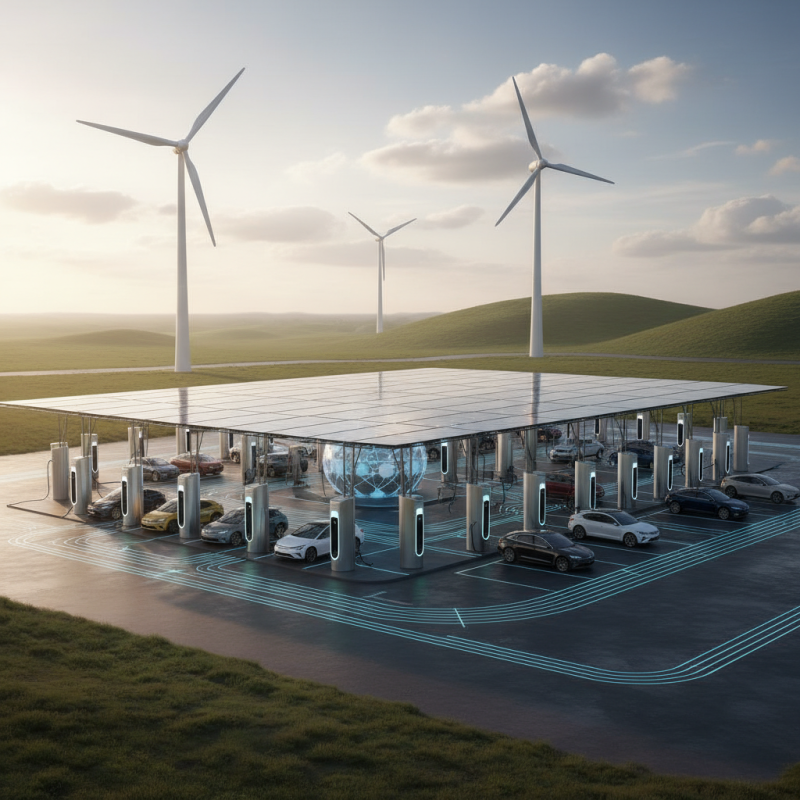
The integration of electric vehicle (EV) chargers with renewable energy solutions is a pivotal trend for 2026. According to the International Energy Agency, the global EV market is expected to exceed 300 million vehicles by 2030. As we adopt cleaner transportation, charging infrastructure must evolve. Aligning EV chargers with solar and wind energy can create a sustainable charging ecosystem, enhancing grid resilience.
Recent reports highlight that solar can reduce charging costs by up to 50%. A well-structured approach can ensure compatibility with various power sources. However, ongoing challenges remain. Not all regions are equipped to support extensive renewable deployment. The intermittency of renewables can lead to unreliable charging. Continued investment in battery storage and smart grid technology is crucial to address these issues.
Tips: Consider local renewable projects when installing EV chargers. Collaborate with energy providers to ensure reliable, clean energy for charging stations. Monitor advancements in energy storage solutions, as they can enhance the efficiency of your setup. The integration of renewable sources requires proactive planning and regular evaluation to achieve optimal performance and reliability.
: The trend shows a significant integration of EV chargers with renewable energy solutions for sustainable transportation.
Solar can reduce charging costs by up to 50%. It is highly effective in sunny regions for generating electricity.
Not all regions have reliable renewable energy access. Intermittency can lead to unreliable charging solutions.
Many potential users lack knowledge about charging infrastructure. Education can bridge this gap and promote integration benefits.
Enhancing energy storage is crucial for managing supply during low generation periods. This can lead to more reliable charging.
Consider local renewable projects and collaborate with energy providers for reliable, clean energy.
Municipalities are investing in smart chargers, which offer real-time data and energy analytics to enhance user experience.
Local policies can facilitate or hinder infrastructure investments, impacting the integration of renewable energy solutions.
Wind energy provides clean power, particularly in areas with consistent wind patterns, complementing solar energy use.
Communities should experiment with different energy mixes to optimize cost-effectiveness and energy independence.
The article titled "Integrating EV Chargers with Renewable Energy Solutions in 2026?" explores the vital intersection of electric vehicle (EV) charging infrastructure and renewable energy sources. It outlines current trends in EV charger technology and adoption rates, highlighting the increasing importance of integrating EV chargers with renewable energy, particularly solar and wind power. As the demand for EVs rises, the role of government policies in promoting this integration becomes crucial. The piece also discusses market projections for the synergy between EVs and renewable energy by 2030, suggesting significant growth opportunities.
In addressing the question of how to integrate EV chargers with renewable energy, the article emphasizes the necessity of developing charging stations powered by sustainable sources. By leveraging advancements in technology and supportive governmental frameworks, the integration can lead to a cleaner, more efficient energy ecosystem that benefits both consumers and the environment. As we approach 2030, this integration will likely be a key driver in achieving broader sustainability goals.

 Greenvora Charger