How to Understand the Need for High-Power EV Chargers for Buses and Trucks?

Time:2026-06-19 Author:Sienna
0%

As electric vehicles (EVs) gain traction in the transportation sector, understanding the need for high-power EV chargers for buses and trucks becomes critical. Current industry reports indicate that the global electric bus market is projected to grow at a compound annual growth rate (CAGR) of over 25% by 2025. This rise correlates directly with the demand for robust charging solutions. Why high-power EV chargers are needed for buses and trucks is not just a technical consideration; it is a necessity for fleet efficiency and sustainability.

Buses and trucks operate under distinct challenges, including tight schedules and significant energy requirements. For instance, a typical electric truck demands up to 350 kW for optimal charging to ensure timely deliveries. Traditional charging stations often cannot provide this level of power, leading to increased downtime and operational inefficiencies. Research shows that making charging stations accessible with high power can reduce charging times significantly, enhancing route reliability.

Considering these challenges, it's vital to reflect on infrastructure investments. Not all locations currently support high-power charging, creating potential bottlenecks. Stakeholders must recognize the need for strategic planning in expanding charging networks. Adapting to these demands requires collaboration across sectors, highlighting both opportunities and areas requiring refined focus.
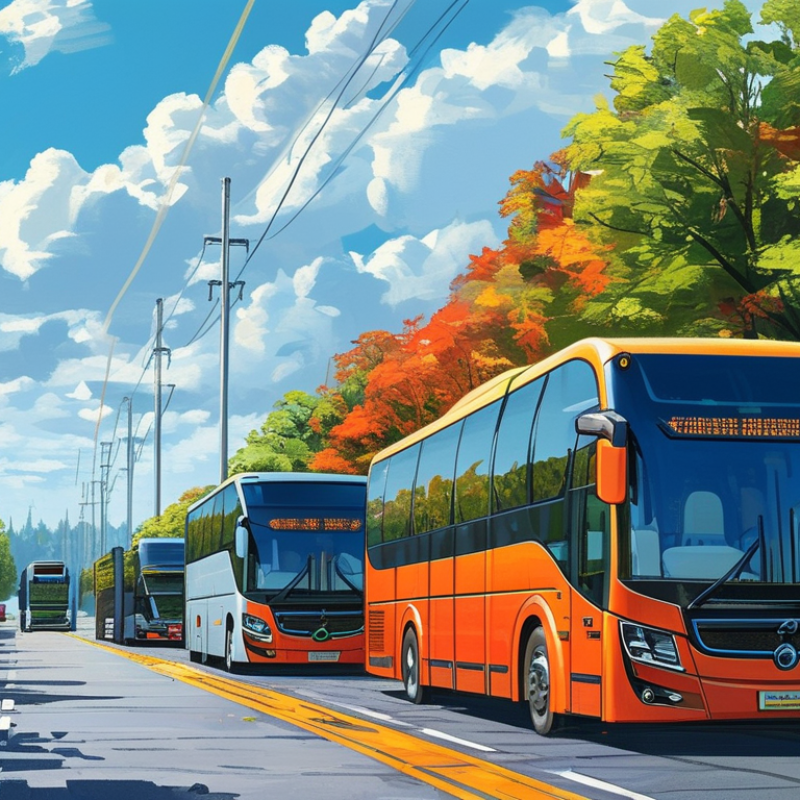
How to Understand the Need for High-Power EV Chargers for Buses and Trucks?

Understanding the Importance of High-Power EV Chargers for Commercial Vehicles

High-power EV chargers are essential for commercial vehicles like buses and trucks. These vehicles require quick charging solutions to minimize downtime. Traditional chargers may not meet the demands of a busy fleet. High-power options provide faster energy transfer, enabling vehicles to get back on the road promptly.

The transition to electric commercial vehicles can be challenging. Infrastructure must evolve to support high-capacity charging. Many charging stations currently lack sufficient power. This gap creates inefficiencies and obstacles. Operators must rethink their charging strategies to ensure reliability. Investing in high-power chargers not only enhances fleet operations but also supports sustainability efforts. It promotes the use of zero-emission vehicles in urban areas.

There is room for improvement in public charging networks. Some locations are not equipped for heavy vehicles. This poses a risk to operational efficiency. Stakeholders need to collaborate and invest in extensive infrastructure development. Ensuring widespread access to high-power chargers is crucial for the future of electric commercial transportation.

Key Differences Between High-Power Chargers and Standard Chargers

High-power chargers are essential for the electrification of buses and trucks. These vehicles require a quick and efficient way to recharge, especially during tight schedules. High-power chargers deliver more energy than standard ones, enabling rapid turnaround times for commercial fleets.

Standard chargers often take hours to replenish a bus or truck’s battery. In contrast, high-power chargers can achieve significant charge levels in minutes. For instance, a bus might regain enough charge to travel for several more hours within half an hour of charging. This efficiency is critical for maintaining operational schedules and reducing downtime.

Understanding these differences is vital for fleet operators. They need to assess where high-power chargers will be most beneficial. While investing in such technology may seem costly initially, the benefits manifest in enhanced productivity and reduced operational costs over time. However, the infrastructure may still face challenges. Regions lacking adequate electrical grids might hinder the rollout of high-power charging stations. Fleet managers must navigate these complexities to make informed decisions.

Comparison of High-Power EV Chargers vs. Standard Chargers

Benefits of High-Power Charging Solutions for Buses and Trucks

The demand for high-power charging solutions for buses and trucks is growing rapidly. According to a 2022 report from the International Energy Agency, electric buses could save up to 80% in fuel costs compared to conventional vehicles. High-power chargers can complete charging within a short timeframe. This is crucial for fleet operators who rely on limited downtime.

Implementing high-power chargers leads to increased operational efficiency. Research indicates that 90% of fleet operators report improved turnaround times with fast charging infrastructure. It allows for quick en route charging, meaning buses and trucks can recharge during breaks. This reduces total operating costs and enhances service reliability.

However, not all high-power charging solutions are created equal. Compatibility with existing systems is a concern for some companies. The infrastructure investment can be significant. Companies must weigh these costs against the long-term benefits efficiently. Ultimately, having a robust high-power charging system aligns with the shift toward sustainable transportation and cuts emissions.

Challenges in Implementing High-Power EV Chargers in Urban Areas

Urban areas face significant challenges when implementing high-power EV chargers for buses and trucks. Space is often limited, making it difficult to find suitable locations for these chargers. Streets are crowded with cars, delivery vehicles, and pedestrians. The installation of charging stations can disrupt traffic flow and create safety concerns. Many city planners struggle to balance the need for infrastructure with the existing urban design.

Power supply is another major hurdle. High-power chargers require substantial electrical capacity. Upgrading the local grid can be costly and time-consuming. In many cases, existing infrastructure may not support the necessary upgrades. This leads to delays in project completion and increased costs, hindering the rollout of charging networks.

Moreover, community acceptance is vital. Residents may resist these installations due to concerns about noise, aesthetics, or potential environmental impacts. Engaging the community early in the planning process can help alleviate these fears. Transparency and clear communication about benefits can foster a more positive reception. Overall, addressing these challenges is crucial in making high-power EV chargers a viable solution for urban transport.

Future Trends and Innovations in High-Power Charging Infrastructure for EVs

The demand for high-power charging infrastructure is rising sharply. As electric buses and trucks become more prevalent, charging capabilities must evolve. Current chargers may take several hours to fully charge large vehicles. This reality doesn't align with the needs of efficient public transport and freight services.

Future trends show the potential for ultra-fast chargers that can deliver high energy quickly. Innovations like wireless charging are on the horizon. Concepts such as dynamic charging, which charges vehicles while they drive, are also being explored. These advancements promise to reduce downtime and enhance operational efficiency. However, infrastructure development faces challenges.

Implementing high-power charging networks requires substantial investment. Urban planners and policymakers must work together. Not all areas will have equal access to this technology. The transition to high-power solutions demands careful thought about equity and sustainability. Stakeholders must address these challenges strategically.

FAQS

: What are high-power EV chargers used for?

: They are essential for commercial vehicles like buses and trucks needing quick charging solutions.

Why is quick charging important for commercial vehicles?

Quick charging minimizes downtime, allowing vehicles to return to service promptly.

What challenges do electric commercial vehicles face?

The existing infrastructure often lacks the power needed for high-capacity charging.

What impact do high-power chargers have on fleet operations?

They enhance operational efficiency and support sustainability efforts by promoting zero-emission vehicles.

How do high-power chargers improve turnaround times?

Fleet operators experience improved turnaround times due to reduced charging duration.

What infrastructure issues are present in public charging networks?

Some locations are unfit for heavy vehicles, impacting operational efficiency.

Are all high-power charging systems compatible?

No, compatibility with existing systems is a concern for some companies.

What is the financial consideration for companies regarding charging infrastructure?

Companies must balance infrastructure investment costs with the long-term benefits of high-power charging.

What is a reported benefit of using high-power chargers for electric buses?

Electric buses can save up to 80% in fuel costs compared to conventional vehicles.

How can trucks and buses recharge efficiently during breaks?

High-power chargers allow for quick en route charging, reducing downtime.

Conclusion

The growing demand for electric vehicles (EVs) in commercial transportation highlights the critical need for high-power EV chargers specifically designed for buses and trucks. Understanding the importance of these chargers is essential, as they significantly differ from standard chargers in terms of power output and charging speed. High-power charging solutions provide numerous benefits for commercial fleets, including reduced downtime, enhanced operational efficiency, and the ability to meet the rigorous demands of urban transit systems.

Despite their advantages, implementing high-power EV chargers in urban areas presents unique challenges, including infrastructure limitations and space constraints. However, the future of high-power charging infrastructure is promising, with ongoing trends and innovations aimed at overcoming these obstacles. Addressing "why high-power EV chargers are needed for buses and trucks" is crucial for the evolution of sustainable urban transport and the successful transition to a fully electrified fleet.

Sienna

Sienna

Sienna is a skilled marketing professional with a deep expertise in our company’s core products and services. With a passion for innovation and detail, she plays a pivotal role in crafting insightful blog posts that not only highlight the unique features of our offerings but also provide valuable......