As electric vehicle (EV) adoption accelerates, understanding how to prevent overcharging in DC EV chargers becomes vital. A recent study from the International Energy Agency (IEA) predicts that EV sales will reach 23 million units by 2030. This surge in demand highlights the need for reliable charging infrastructure. Overcharging can lead to battery degradation, safety risks, and increased operational costs.
Industry experts suggest that approximately 30% of DC chargers are not optimized for battery management. This inefficiency often results in heat buildup, reducing battery lifespan. Implementing smart charging technologies and software updates can mitigate these risks. Moreover, regulatory guidelines, like the SAE J1772 standard, are essential in ensuring compatible charging systems. However, many chargers still lack these advancements, leaving room for improvement.
In light of these factors, it's crucial for manufacturers and users to prioritize safe charging practices and technology integration. Awareness of how to prevent overcharging in DC EV chargers not only protects the investment in EVs but also enhances overall performance. The challenge lies in balancing efficiency with evolving technology. Awareness can lead to actionable solutions in this fast-paced sector.
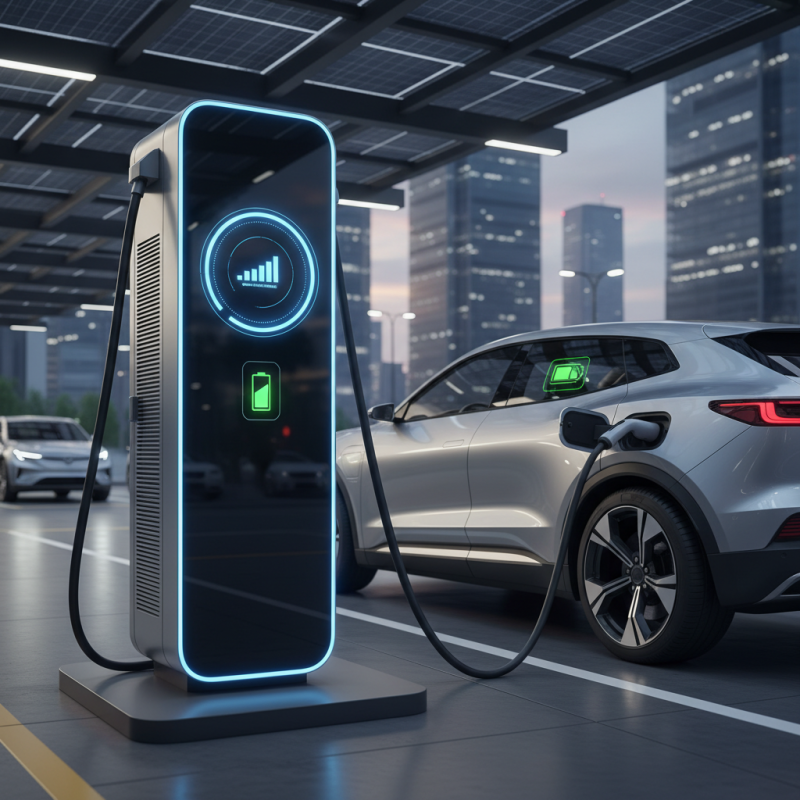
Overcharging in DC EV chargers can lead to serious risks. It can damage the battery life and reduce efficiency. Drivers need to be aware of these risks and take proactive measures. Understanding how overcharging occurs is crucial. Poor charger compatibility and faulty wiring are common culprits.
To prevent overcharging, use chargers designed for your EV. Always check the specifications before plugging in. Timers can be helpful. Set a timer to ensure charging does not exceed recommended limits. Regularly inspect charging equipment for signs of wear. This ensures safe and efficient charging.
Educate yourself about your EV’s battery management system. Knowing how it regulates charging can help you avoid mistakes. Be mindful of charging habits. Frequent full charges can harm battery health. Too much reliance on fast chargers may also lead to problems, so consider slower options if time allows. Maintaining a balance can lead to better battery longevity.
| Risk Factor | Description | Prevention Tips |
|---|---|---|
| Battery Overheating | Excessive charging can cause battery temperature to rise, affecting lifespan. | Use thermal management systems to monitor and control temperature. |
| Cell Degradation | Overcharging can lead to the deterioration of battery cells. | Implement charge limiting algorithms to stop charging at optimal levels. |
| Safety hazards | Risk of fire or explosion due to excessive voltage. | Install protection circuits that cut off charging in dangerous conditions. |
| Energy Waste | Overcharging leads to inefficient energy usage. | Use smart chargers that automatically adjust charging based on battery status. |
: Overcharging can damage battery life and reduce efficiency. Awareness is essential for drivers.
Use chargers designed for your EV. Always check specifications before plugging in.
Timers can help limit charging duration. Set them to avoid exceeding recommended limits.
Regular inspections reveal wear and tear. This contributes to safe and efficient charging.
A robust system regulates charging. Poor systems can lead to inconsistent charging cycles.
Studies show nearly 20% of sessions involve some overcharging level. It’s a notable concern.
Yes, frequent full charges can harm battery health. Balance charging habits for better longevity.
Advanced charging tech regulates power effectively. Poor tech may lead to excessive voltage and strain.
Good communication can prevent overcharging. Lack of it can exacerbate charging issues.
Frequent fast charging may lead to problems. If possible, consider slower charging options instead.
In addressing "How to prevent overcharging in DC EV chargers," it is essential to understand the inherent risks associated with overcharging, which can lead to reduced battery life and safety hazards. Factors contributing to overcharging include improper charger setup, lack of monitoring, and the absence of protective technologies.
To ensure optimal performance of DC EV chargers, implementing best practices such as correct configuration and leveraging smart technology is crucial. Smart chargers can monitor battery health and automatically adjust charging rates, significantly minimizing the risk of overcharging. Regular monitoring and maintenance further enhance charging efficiency and battery longevity, making it imperative for EV owners and charging station operators alike to adopt these strategies for safer and more effective charging solutions.

 Greenvora Charger