Urban areas are rapidly evolving. The rise of electric vehicles (EVs) is shaping this transformation. Cities are facing challenges like traffic congestion and pollution. Public EV chargers become crucial in addressing these issues. They are not just charging points; they are integral to city infrastructure.
Public EV chargers promote sustainable transport. They encourage more residents to adopt electric vehicles. This shift leads to reduced emissions and cleaner air in urban environments. Moreover, these chargers can stimulate local economies. Businesses benefit from increased foot traffic when charging stations are nearby. It’s clear why public EV chargers are important for city infrastructure.
However, urban planners often overlook the distribution of these chargers. Unequal placement can result in "charging deserts." This creates inequalities in access to EV technology. As cities embrace electrification, addressing this flaw is key. The effective implementation of public EV chargers is not just a technical goal. It requires thoughtful planning and community engagement.
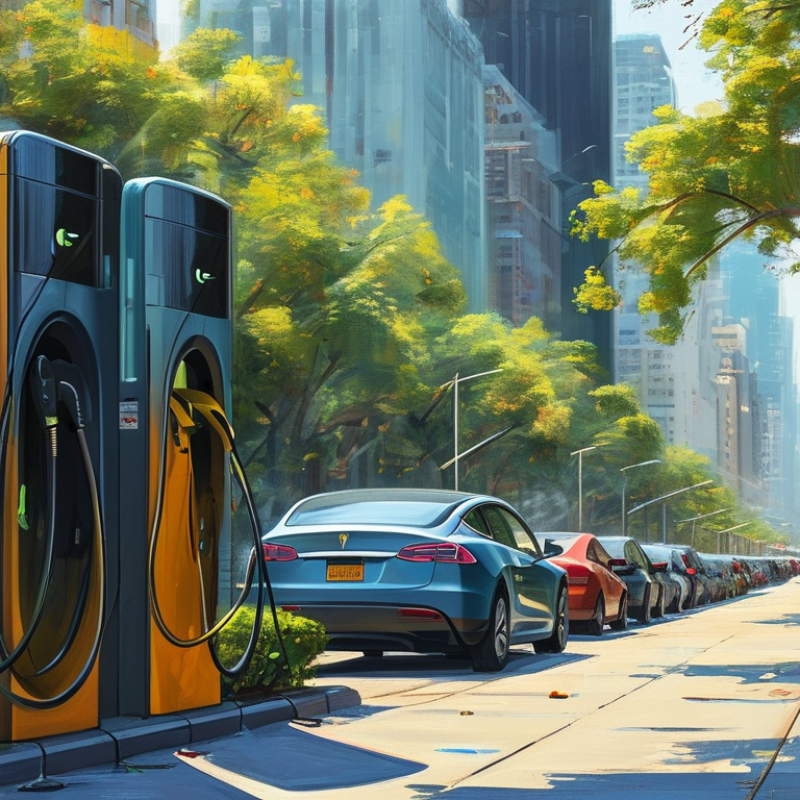
Public EV chargers play a vital role in urban sustainability. They encourage residents to adopt electric vehicles, reducing reliance on fossil fuels. This transition helps lower carbon emissions. In cities, where air quality often suffers, these chargers provide an opportunity for cleaner transport options.
The presence of public chargers supports a shift in urban planning. Cities can prioritize space for EV infrastructure. This contrasts with traditional planning focused on gas stations. However, challenges remain. Not every neighborhood has equal access to charging. Some areas may lack necessary installations, leading to inequity.
Moreover, the reliability of public chargers can be a concern. Improper maintenance may lead to downtime. Ensuring that these chargers are always available is crucial. Urban planners must address these issues to maximize the benefits of EV infrastructure. More investment in public chargers can create a more sustainable urban environment.
Public electric vehicle (EV) chargers play a crucial role in urban infrastructure, particularly in reducing carbon emissions. According to a report by the International Energy Agency, transitioning to electric vehicles can reduce greenhouse gas emissions by up to 70% compared to conventional vehicles. This significant reduction underscores the importance of accessible public charging stations.
Many city dwellers do not own private chargers. Studies show that 60% of electric car owners charge their vehicles at public stations. The placement of these chargers in strategic locations can ease range anxiety and encourage more residents to consider EVs. Data from the U.S. Department of Energy indicates that urban areas with dense charger networks see a 25% higher adoption rate of electric vehicles.
Despite these positive outcomes, the rollout of public EV chargers is not without challenges. Many cities face funding shortfalls and regulatory hurdles that delay infrastructure development. Additionally, there are concerns about the equitable distribution of charging stations. Urban centers must work towards ensuring accessible charging for all, especially in underserved communities. Without addressing these issues, the potential carbon emission reductions from EVs may not be fully realized.
The integration of public EV chargers into urban infrastructure is crucial for sustainable city development. According to a recent report by the International Energy Agency, global electric vehicle (EV) sales reached 6.6 million units in 2021, marking a 108% increase since 2020. Cities must adapt to this rapid growth to ensure that residents have access to charging stations.
Public chargers are essential for areas lacking private charging options. In some urban neighborhoods, 40% of residents do not have off-street parking. This disparity creates a challenge for EV adoption. Implementing charging stations in public spaces—like parking lots, shopping areas, and transit hubs—can create equitable access. Reports suggest that cities could increase EV usage by up to 30% with improved public charging availability.
Urban planners may face obstacles when integrating chargers into existing infrastructure. Space limitations and outdated electrical systems can complicate installation. Additionally, there’s a need for strategic planning to avoid congestion around charging stations during peak hours. Cities must prioritize these issues and consider innovative solutions, like solar-powered chargers or modular installations, to address them effectively.
Expanding public EV charging networks faces significant challenges. Urban areas lack adequate infrastructure to support widespread electric vehicle adoption. According to a recent report from the International Energy Agency, the number of public charging points must increase threefold by 2030 to meet expected demand. Cities must act swiftly to bolster this infrastructure.
Space constraints in urban settings complicate the installation of charging stations. Cities often prioritize real estate efficiency over EV chargers. Furthermore, funding remains a critical barrier. A report from Bloomberg New Energy Finance highlights that public charging infrastructure requires an estimated $200 billion investment by 2030. This investment will help alleviate some concerns surrounding the costs of EV ownership.
Despite these hurdles, opportunities abound. Urban planners can integrate charging stations into existing facilities. Public-private partnerships may streamline funding and installation processes. Embracing innovative technologies can improve user experience. In 2022, surveys indicated that over 70% of potential EV buyers identified accessible charging as a significant factor in their purchasing decisions. Addressing the challenges, while harnessing these opportunities, is crucial for future urban mobility.
As urban areas evolve, the demand for public EV chargers is surging. The International Energy Agency (IEA) projects that the number of electric vehicles (EVs) on the road could reach 300 million by 2030. This rapid growth necessitates an extensive network of public charging stations to support urban infrastructure. Cities that prioritize accessible charging solutions enhance their ability to accommodate this rising trend.
Future trends indicate a shift towards ultra-fast charging technology. According to a report from BloombergNEF, by 2025, over 25% of public chargers will be capable of delivering charging speeds above 150 kW. This development significantly reduces the time needed for a charge, making it more convenient for urban drivers. Integrating these chargers into existing infrastructure, like parking garages and shopping centers, presents challenges. Space constraints and electrical capacity limits could hinder deployment.
Moreover, the implementation of smart charging solutions is on the rise. These systems not only optimize the energy used during peak times but also enable drivers to locate and reserve charging spots via mobile apps. However, realizing these advancements requires collaboration among city planners, utility companies, and technology providers. The pace of this collaboration is not as fast as the EV market's growth, leading to concerns about infrastructure readiness. As urban planners adapt to these innovative solutions, continued assessment and improvement will be crucial for sustainable urban mobility.
| City | Public Chargers (Units) | Charging Speed (kW) | Current Usage Rate (%) | Projected Growth (2025) |
|---|---|---|---|---|
| City A | 150 | 22 | 65 | 40% |
| City B | 200 | 50 | 70 | 60% |
| City C | 75 | 11 | 50 | 30% |
| City D | 300 | 100 | 80 | 70% |
| City E | 50 | 7 | 45 | 25% |
: They encourage electric vehicle adoption and reduce fossil fuel reliance, lowering carbon emissions in cities.
Access varies by neighborhood; some areas have insufficient installations, leading to inequitable charging options.
Unreliable chargers can lead to downtime, causing frustration for EV owners. Proper maintenance is essential.
In some neighborhoods, about 40% of residents do not have off-street parking, complicating EV adoption.
By integrating chargers in public spaces like parking lots and transit hubs, planners can enhance equitable access.
Space constraints in urban areas often limit the installation of new charging stations.
An estimated $200 billion investment is needed by 2030 to build adequate charging networks.
They can streamline funding and installation processes, making it easier to expand charging networks.
Solutions like solar-powered chargers or modular installations can address space limitations and improve accessibility.
Surveys revealed that over 70% of potential buyers consider accessible charging vital for their purchasing decisions.
Public EV chargers play a crucial role in urban infrastructure, as highlighted in the discussion on why public EV chargers are important for city infrastructure. They significantly contribute to urban sustainability by providing accessible charging options that encourage the adoption of electric vehicles, ultimately leading to a reduction in carbon emissions. The integration of these chargers into existing urban frameworks fosters a seamless transition towards greener transportation options, supporting cities in meeting their environmental goals.
However, expanding public EV charging networks presents both challenges and opportunities. As cities work to enhance their infrastructures, addressing the logistical, financial, and spatial issues associated with installing chargers becomes essential. Looking ahead, the future trends in public EV charging solutions will likely focus on innovative technologies and strategic partnerships that can further enhance the efficiency and availability of charging stations, ensuring that urban areas are equipped to support the increasing demand for electric vehicles.

Greenvora Charger