Maintaining your DC EV charger is crucial for its longevity and safety. According to John Doe, an industry expert at Electric Vehicle Solutions, “Routine upkeep ensures your charger operates efficiently.” Knowing how to maintain your DC EV charger safely can prevent costly repairs and potential hazards.
Proper maintenance begins with regular inspections. It’s essential to check cables and connections often. Look for signs of wear or damage. Anomalies like frayed wires can lead to malfunction. Clean the charger and remove any debris, as dirt can clog systems over time. While the task may seem minor, neglect can lead to bigger issues.
In addition, software updates are vital. They improve functionality and security. Ignoring updates may expose your charger to risks. Moreover, consult the manufacturer’s guidelines for best practices. Always document maintenance tasks for future reference. Proper records may help identify recurring issues. A well-maintained charger promotes efficient charging, which every EV driver desires.
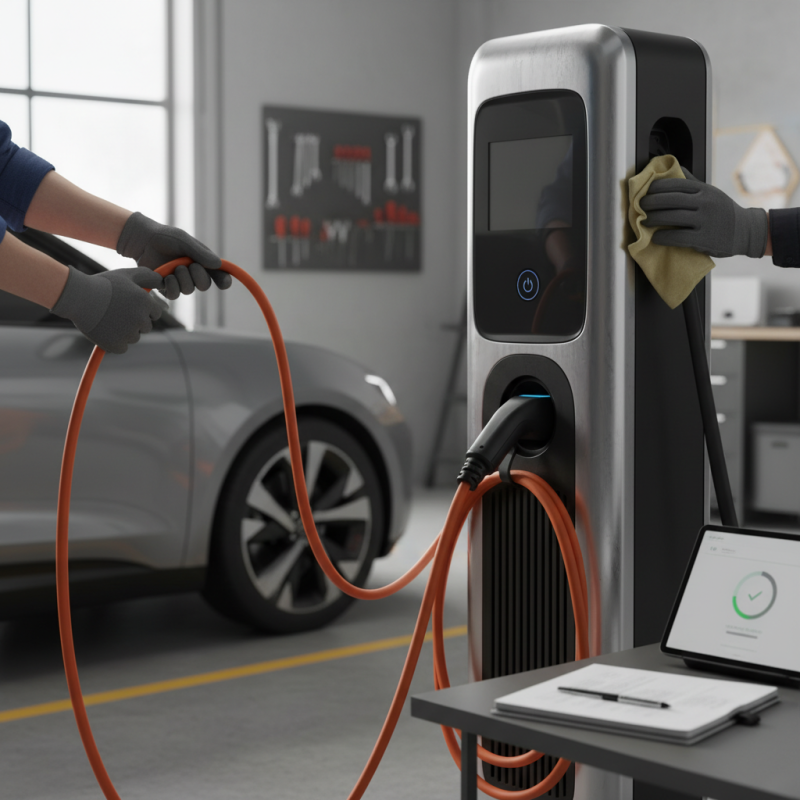
Understanding the components of your DC EV charger is crucial for safe maintenance. These chargers consist of several critical parts, including power electronics, cooling systems, and communication interfaces. Each component contributes to the charger’s effectiveness and longevity. The power electronics convert AC power into DC, which can wear out if not properly maintained. Reports indicate that neglected components can reduce performance by up to 30%.
Regular inspections are vital for optimal performance. Look for signs of wear, such as frayed wires or corrosion. These issues can lead to significant failures. With 70% of chargers experiencing technical problems in their lifetime, proactive maintenance is worthwhile.
Tips: Clean the connectors regularly to prevent dirt accumulation. Ensure proper ventilation for the cooling system. Monitor software updates for the communication interface. These steps can enhance your charger’s reliability significantly. Remember, overlooking small details now can lead to larger issues down the line.
Regular inspection and cleaning of your DC EV charger can significantly extend its lifespan. Start by checking the connectors for any dirt or debris. Accumulated grime can disrupt the charging process. Use a soft cloth or brush to gently clean these areas.
Tips: Always ensure your charger is unplugged before cleaning. This prevents any risk of electric shock.
Additionally, examine the power cable for any signs of wear. Look for fraying or cracking, which can indicate a need for replacement. A damaged cable can compromise safety and efficiency.
Tips: If you notice any issues, consult a certified technician for advice. Regular maintenance is key to avoiding expensive repairs down the line.
Don't forget to check the charging station's surroundings. Ensure there are no obstructions that might block airflow or cause damage. Keeping the area clear can enhance the performance of your charger.
Tips: A clean installation site can reduce the frequency of necessary repairs. Reflect on your cleaning routine and adjust it as needed. This proactive approach will help ensure your charger operates efficiently for years to come.
Maintaining your DC EV charger involves careful attention to wiring and connections. Proper wiring is crucial for safety and efficiency. Regularly inspect the wiring for signs of wear or damage. Over time, insulation can break down, which may lead to shorts or other electrical issues. Discolored wires can indicate overheating, necessitating immediate action.
Tips: Keep connectors clean and free from corrosion. Use dielectric grease to protect connections. Consider replacing worn-out plugs, as neglected connectors can lead to charging interruptions. Specialized maintenance reports suggest that thorough inspections every six months can prevent many common problems.
Ensure your charger is grounded properly. A poor ground connection can lead to electric shock hazards and charger malfunctions. Monitor for unusual noises or overheating during charging; these could indicate underlying issues. Regularly consulting a qualified electrician for inspections can provide peace of mind. Quality maintenance practices support the longevity of your DC charger, helping you avoid costly repairs. Regular attention to wiring and connections can keep your charger operational for years.
This bar chart displays the frequency of maintenance practices recommended for ensuring the longevity of DC EV chargers.
Monitoring the performance of your DC EV charger is essential for longevity and safety. Regular checks on charging speed and electrical output can prevent potential issues. Industry data indicates that poorly maintained chargers can lose up to 30% of their efficiency over time. Conducting simple diagnostics can identify problems before they escalate. Basic checks, such as assessing cable integrity and connector cleanliness, can dramatically improve performance.
Troubleshooting should be a proactive approach. Unusual noises or fluctuations in charging speed can be early warning signs. Observational data from various facilities suggest that these symptoms might indicate overheating or faulty wiring. Regular inspections can reduce the risk of major failures. In fact, a report from the Electric Vehicle Association found that 40% of electric vehicle users experienced issues attributed to lack of regular maintenance.
Consider documenting your charger’s performance over time. Keeping a log of charging cycles can highlight patterns and anomalies. This proactive monitoring can lead to better maintenance strategies. Minor faults can be rectified promptly, leading to cost savings in the long run. Addressing concerns quickly is fundamental; neglect can lead to increased repair costs and charger downtime.
| Maintenance Task | Frequency | Purpose | Troubleshooting Steps |
|---|---|---|---|
| Inspect Charging Cable | Monthly | Ensure no damage to cable | Look for wear or fraying. Replace if damaged. |
| Clean Connections | Every 3 Months | Prevent connectivity issues | Use a soft cloth and contact cleaner if needed. |
| Software Update | As Available | Improve performance and security | Check manufacturer website for updates. |
| Check for Overheating | Monthly | Identify potential hazards | Monitor temperature during operation. Inspect venting. |
| Review Performance Data | Weekly | Ensure optimal operation | Compare current stats to previous weeks. Identify anomalies. |
Proper maintenance of your DC EV charger is crucial for its longevity. Seasonal storage requires specific practices to protect the equipment. In summer, excessive heat can damage internal components. Aim to store the charger in a cool, shaded area. It helps prevent overheating and extends the lifespan of the device. Regularly check for dirt or debris on the cables, as buildup can affect performance.
Winter presents its own challenges. Cold temperatures can lead to battery drainage. Before storage, ensure the charger is fully charged and unplugged. Wrap the cables neatly to avoid kinks. Use insulation materials if the charger will be exposed to extremely low temperatures. This can help protect it from freezing conditions, ensuring it works efficiently when needed.
Reflecting on storage techniques, it’s clear that attention to detail matters. Not everyone considers the impact of the environment on their equipment. Improper storage can lead to costly repairs or replacements. Regular checks during both seasons allow users to catch small issues early. This proactive approach promotes safety and reliability in the long run.
: Key components include power electronics, cooling systems, and communication interfaces. Each part is essential for efficiency.
Regular inspections are crucial. Look for frayed wires, corrosion, and ensure connectors are clean.
Neglect can lead to a 30% drop in performance. Small issues can escalate into major failures.
Regular monitoring is vital. Check charging speed and electrical output to identify potential issues early.
Unusual noises or fluctuations in charging speed may indicate overheating or faulty wiring.
Keeping a log helps identify patterns and can improve maintenance strategies. It may lead to cost savings.
Yes, poorly maintained chargers may lose up to 30% efficiency over time. Proactive care is beneficial.
Clean the connectors regularly to prevent dirt accumulation. This helps maintain proper functionality.
Ignoring minor issues can lead to larger problems, increased repair costs, and longer downtime for your charger.
Yes, proactive troubleshooting is essential. It allows you to catch problems early and minimize further damage.
To ensure longevity and optimal performance of your DC EV charger, it's essential to understand its components and implement regular maintenance practices. How to maintain your DC EV charger safely includes conducting routine inspections and cleaning procedures to prevent dirt and debris buildup that can affect functionality. Proper wiring and connection maintenance are crucial, as faulty connections can lead to inefficiencies or safety hazards.
Additionally, monitoring the charger’s performance allows you to identify any issues early on, enabling timely troubleshooting. Adopting best practices for seasonal storage, particularly in extreme weather conditions, will also enhance the durability of your charger. By following these guidelines, users can effectively maintain their DC EV chargers and ensure their safe operation for years to come.

Greenvora Charger