How Fast Can Ultra Fast DC Chargers Fully Charge a Vehicle?

Time:2026-07-31 Author:Oliver
0%

The rapid development of electric vehicle (EV) technology has brought attention to charging infrastructure. "How fast can ultra-fast DC chargers charge a vehicle?" This question has become a focal point. According to a report by the International Energy Agency, ultra-fast chargers can deliver power levels of 150 kW to 350 kW, significantly reducing charging time. Industry expert Dr. Emily Chen states, “The efficiency of ultra-fast charging will redefine the way we think about EV usage.”

Many EV models today can achieve an 80% charge in under 30 minutes with these chargers. This capability aligns with growing consumer expectations for quick and convenient charging solutions. However, not all vehicles can utilize these power levels effectively. The charging speed often depends on the vehicle's battery management system.

Challenges remain in achieving optimal charging speeds consistently. Factors such as state of charge, battery temperature, and charger compatibility impact performance. As we explore how ultra-fast chargers reshape the EV landscape, we must also reflect on the need for broader infrastructure support and user education. The journey towards rapid EV charging continues, posing challenges and opportunities for the industry.
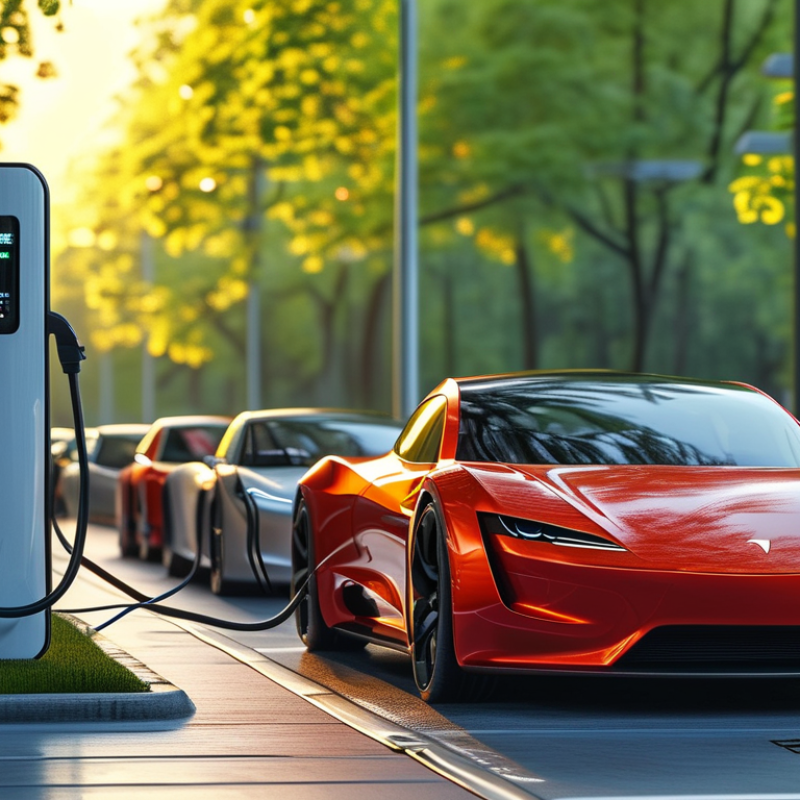
How Fast Can Ultra Fast DC Chargers Fully Charge a Vehicle?

Understanding Ultra Fast DC Chargers: Definition and Key Features

Ultra Fast DC chargers are reshaping the electric vehicle landscape. These chargers deliver high power output, significantly reducing charging time. Typically, they can charge a vehicle's battery to 80% within 30 minutes. This rapid charging capability is crucial, especially for long-distance travel.

Understanding the key features of Ultra Fast DC chargers is essential. They often operate at power levels above 150 kW, allowing for faster energy transfer. Furthermore, they utilize advanced cooling systems to manage heat. This ensures safety and efficiency during the charging process. However, not all electric vehicles can handle such high charging speeds. Compatibility remains a concern for many users.

While the benefits are clear, the infrastructure for Ultra Fast DC chargers is still developing. Many locations lack adequate charging stations, leading to potential range anxiety. Accessibility is a growing issue that needs addressing. In conclusion, while Ultra Fast DC chargers hold significant promise, ensuring widespread availability is essential for their success.

Charging Time Comparison: Ultra Fast DC vs. Conventional Charging Methods

Ultra fast DC chargers are transforming the electric vehicle (EV) charging landscape. These chargers can deliver power levels of 150 kW to 350 kW. This is a significant leap compared to conventional Level 2 chargers, which typically provide 7 kW to 22 kW. According to the International Energy Agency, ultra fast chargers can charge a vehicle to 80% in just 15-30 minutes. This is a game changer for long-distance travelers.

In contrast, conventional charging methods can take several hours for a full charge. Level 2 chargers usually require 4 to 8 hours for an equivalent charge. Additionally, public Level 1 chargers can take up to 12 hours or more. These timeframes pose practical challenges for users. A report from BloombergNEF highlights that fast charging infrastructure is vital for widespread EV adoption. Yet, the accessibility and deployment of ultra fast chargers remain uneven in various regions.

Despite their rapid charging capabilities, ultra fast chargers come with limitations. Not all EVs can handle these high power levels. Some models may need special adaptations. Users may also face charging station availability issues. The growing demand for fast charging infrastructure stresses the need for improvements. This discrepancy highlights the complexity surrounding the shift to electric mobility. It raises questions about how quickly we can effectively adapt and build the necessary infrastructure.

Charging Time Comparison: Ultra Fast DC vs. Conventional Charging Methods

This chart compares the charging times of Ultra Fast DC Chargers and Conventional Charging Methods for electric vehicles. The data shows the time taken to charge a vehicle from 0% to 100% under optimal conditions.

Factors Influencing Charging Speed: Battery Size and Technology

The speed at which ultra-fast DC chargers can fully charge a vehicle largely depends on battery size and technology. Electric vehicle (EV) batteries vary significantly in capacity. For instance, a typical battery capacity ranges from 50 kWh to 100 kWh. Chargers that offer 150 kW can charge a 60 kWh battery to 80% in about 30 minutes. However, efficiency often drops when charging is nearing completion.

Battery technology plays a crucial role in charging speed. Lithium-ion batteries are standard, allowing rapid charging due to their chemical properties. However, new technologies, like solid-state batteries, promise even faster charging rates in the future. Reports indicate that solid-state batteries could enable charging times as low as 10 minutes for a significant range.

Tips:

  • Choose chargers with higher kW ratings for quicker charging.
  • Monitor battery temperature; excessive heat may slow the process.
  • Keep your battery's state of charge between 20-80% for better longevity.

Real-World Data: Average Time to Fully Charge Popular EV Models

Ultra-fast DC chargers have been making waves in the electric vehicle (EV) landscape. The capability to charge vehicles rapidly is crucial for drivers. However, how efficient are these chargers in real-world settings? Understanding average charging times for popular EV models offers valuable insights.

For instance, most ultra-fast chargers can deliver up to 350 kW. This means that a battery can gain significant power in about 30 minutes. Yet, actual charging times vary by model. Some popular EVs might take as little as 20 minutes to reach 80% capacity. However, charging to 100% often takes longer. Many drivers desire speed but may overlook potential downtime.

Real-world data shows that external factors also impact charging times. Environmental conditions, battery age, and state of charge all play a role. While the technology is impressive, it is not infallible. Some users report instances where the charging process is slower than expected. These discrepancies highlight the importance of understanding the limitations of current technology.

Future Trends in Ultra Fast Charging: Expectations for the Next Decade

The future of ultra-fast charging technology is promising. Experts predict that by 2030, ultra-fast DC chargers will deliver charging speeds up to 350 kW or even more. This can potentially charge an electric vehicle (EV) to 80% in less than 15 minutes. According to recent industry reports, the number of ultra-fast charging stations is expected to triple over the next decade. This will significantly enhance the convenience of owning an EV.

However, there are challenges. One major issue is grid capacity. Many areas lack the infrastructure to support widespread ultra-fast charging. In 2023, a study found that only 25% of current charging stations can handle these high power levels. Furthermore, the longevity of EV batteries may be impacted by frequent ultra-fast charging. Research indicates that rapid charging can accelerate battery degradation, raising concerns among manufacturers and consumers alike.

Discrepancies in charging speed based on vehicle type also present hurdles. Not all EVs are designed to take full advantage of high-power chargers. As this technology evolves, new standards and compatibility guidelines will be crucial. Collaboration between stakeholders will be necessary to create an efficient charging ecosystem that benefits all EV users. Future improvements in battery technology could address some of these concerns, paving the way for a more robust charging network.

How Fast Can Ultra Fast DC Chargers Fully Charge a Vehicle? - Future Trends in Ultra Fast Charging: Expectations for the Next Decade

Charging Power (kW) Charging Time (Minutes) Range Added (miles) Battery Size (kWh)
150 40 200 60
350 20 300 80
500 15 400 100
750 10 500 120

FAQS

: What are Ultra Fast DC chargers?

: Ultra Fast DC chargers offer high power output, allowing electric vehicles to charge quickly, often reaching 80% in 30 minutes.

How do Ultra Fast DC chargers compare to conventional chargers?

They operate at 150 kW to 350 kW, while conventional chargers provide only 7 kW to 22 kW, making Ultra Fast chargers much faster.

What factors affect the charging speed?

Battery size and technology are key. Larger batteries take longer to charge. Advanced battery types can improve charging rates.

Can all electric vehicles use Ultra Fast DC chargers?

Not all models are compatible with high-speed chargers. Some may require adaptations to handle the rapid charging.

What should I monitor while charging?

Monitor your battery's temperature. Excessive heat can slow down the charging process significantly.

Why is charging station accessibility important?

Widespread availability of charging stations reduces range anxiety and supports the adoption of electric vehicles for long-distance travel.

What is the ideal state of charge for battery longevity?

Keeping your battery's state of charge between 20% and 80% can enhance its lifespan and efficiency.

Why is the infrastructure for Ultra Fast DC chargers still developing?

The availability of charging stations is uneven, creating challenges for users. This limits the appeal of electric vehicles.

What advancements are being made in battery technology?

New technologies like solid-state batteries may offer charging times as low as 10 minutes in the future.

How can I ensure effective use of fast chargers?

Choose chargers with high kW ratings and understand your vehicle's limitations for optimal performance and safety.

Conclusion

The article "How Fast Can Ultra Fast DC Chargers Fully Charge a Vehicle?" delves into the advancements of ultra-fast DC charging technology, highlighting its definition and key features that differentiate it from conventional charging methods. A comparison of charging times reveals that ultra-fast DC chargers significantly reduce the time it takes to fully charge an electric vehicle. Factors influencing charging speeds such as battery size and technology are extensively examined, providing insight into the performance of various electric vehicle models.

Furthermore, real-world data illustrates the average charging times for popular EVs, showcasing the practical implications of ultra-fast charging. The article also discusses future trends in the sector, offering expectations for advancements in ultra-fast charging capabilities over the next decade. Ultimately, it addresses the essential question: "How fast can ultra-fast DC chargers charge a vehicle?" by emphasizing their potential to revolutionize electric vehicle charging experiences.

Oliver

Oliver

Oliver is a seasoned marketing professional with a wealth of expertise in driving brand awareness and engagement. With a deep understanding of our company's product offerings, he consistently delivers high-quality content that enriches our professional blog. His insights not only shed light on......