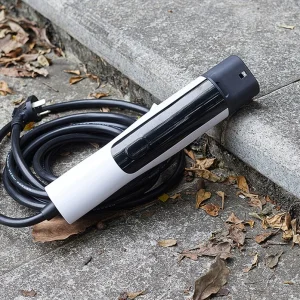
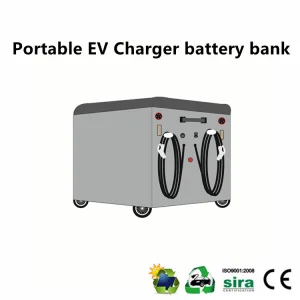
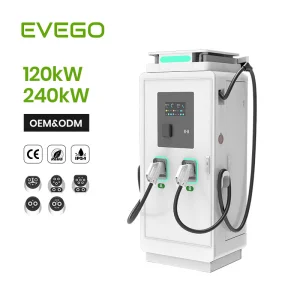
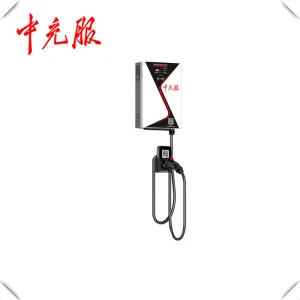
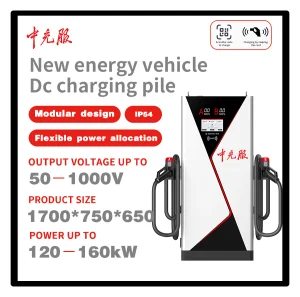
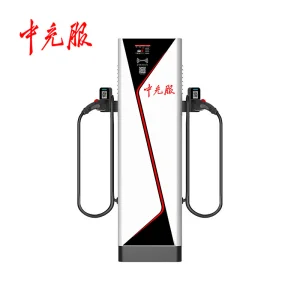
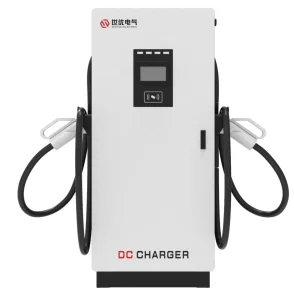
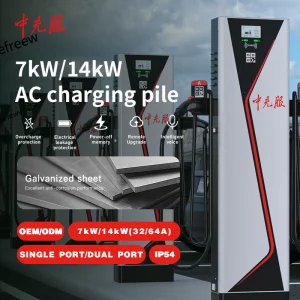
Explore our robust product lineup including smart grid integrations, dual-gun fast DC chargers, vehicle-integrated storage systems, and advanced power management architectures.
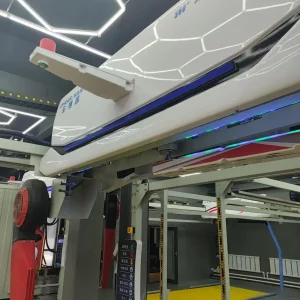
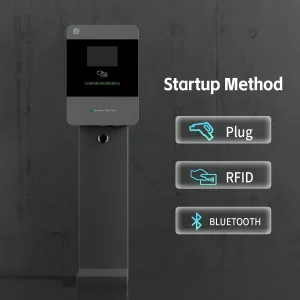
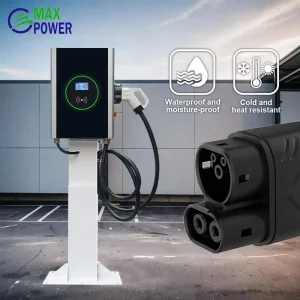

The global electric vehicle infrastructure landscape is undergoing a monumental paradigm shift from conductive connection systems to high-efficiency, resonant inductive wireless charging solutions. As municipalities, commercial fleet operators, and passenger vehicle OEMs look to streamline energy distribution, the demand for CE-certified, zero-touch charging interfaces has reached an all-time high.
Unlike standard cable-bound structures, wireless power transfer (WPT) utilizes resonant electromagnetic induction between an integrated primary ground pad (transmitter) and a secondary vehicle receiver pad. Operating at a standardized frequency band of 85 kHz (in compliance with SAE J2954 guidelines), these systems eliminate mechanical wear, mitigate weather-related safety issues, and optimize high-voltage energy transfer with grid-to-battery efficiency levels exceeding 92%.
By removing cords, physical plugs, and mechanical interaction points, enterprise operators significantly reduce maintenance overhead while facilitating autonomous, driverless operations. This integration is crucial for autonomous trucking, corporate shuttle systems, and smart city robotic delivery platforms.

The convergence of automation, high-power electronics, and grid communication protocols is shaping the next decade of wireless charging deployment.
Leveraging magnetic fields to transfer power across large air gaps (up to 250mm) while ensuring high spatial tolerance and dynamic efficiency tracking via closed-loop communications.
Advanced Foreign Object Detection (FOD) and Living Object Detection (LOD) systems using thermal sensors and radar sweeps to instantly deactivate power transfer when objects disrupt the field.
Bidirectional energy capability allowing vehicles to act as decentralized power storage units, feeding power back into the grid using automated smart-grid handshake protocols.
Decentralized engineering requires a structured understanding of technical parameters, grid connections, and system compatibility.
Global procurement teams face complex deployment hurdles when transitioning to wireless EV charging systems. Chief among these challenges is ensuring backward compatibility with existing conductive standards (such as CCS2, CHAdeMO, and GB/T), guaranteeing robust safety margins under high-power operations, and securing components with low electromagnetic interference (EMI).
When selecting a supplier, infrastructure engineering procurement contracts (EPCs) must verify the following structural aspects:
| Parameters | Standard Specs |
|---|---|
| Output Power Range | 7 kW to 22 kW (AC) / 50 kW to 200 kW (DC equivalent) |
| System Efficiency | Up to 92.5% (Nominal air gap) |
| Operating Freq. | 85 kHz Band (81.38 kHz - 90.00 kHz) |
| Vertical Air Gap | Z-Class: 100mm to 250mm options |
| Communications | OCPP 1.6 / 2.0.1, ISO 15118 compliance |

Greenvora is a premier tech enterprise integrating scientific research, layout design, robust manufacturing, and full-stack sales and services. We specialize in developing and deploying turn-key energy solutions, ensuring our clients receive a cohesive charging infrastructure designed for longevity and commercial utility.
Operating as our core technology R&D unit, Fonsencharge has developed independent R&D master controllers. These high-performance control boards manage real-time power conversion, alignment feedback, communication interfaces, and security barriers within modern charging piles.
Fonsencharge offers high-level ODM/OEM services, designing customized master control units tailored to complex international configurations. Through partnerships with dozens of leading global charging brands, Fonsencharge has set new benchmarks in control board stability and protocol compatibility.
Deploying electric infrastructure globally requires absolute adherence to rigorous safety standards.
Our manufacturing and processing architectures are tested under the DEKRA CB Scheme, verifying electrical safety across all international markets.
All wireless and wired charging architectures carry full CE marking, satisfying the Low Voltage Directive (LVD) and Electromagnetic Compatibility (EMC) regulations.
Backed by 15 software copyrights and multiple utility patents, our software-defined charging models remain secure and proprietary.
Our planned developments aim to integrate autonomous networks, fast wireless DC charging, and dynamic on-road power lines.
Implementing CE-certified, high-power static resonant inductive pads for fleet depots, residential garages, and urban curbsides.
Integrating wireless power pads in taxi ranks, bus stops, and logistics hubs where vehicles charge during brief stops.
Embedding charging pads directly into public roadways to allow continuous energy transfer to vehicles in motion.
Answering the technical, operational, and regulatory questions critical to B2B buyers and engineers.
Discover our second set of high-efficiency products designed for grid balancing, rapid DC public charging, and fleet-wide software connectivity.
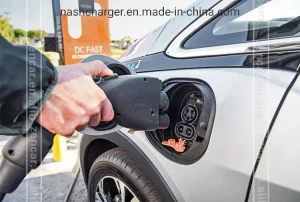
 Greenvora Charger