Engineered for urban smart cities, logistics hubs, and residential structures in metropolitan São Paulo.
As the financial engine of South America, the metropolitan area of São Paulo is leading Brazil's energy transition. The city's ambitious climate directives call for a massive fleet conversion, encompassing local urban delivery vans, municipal buses, and private ride-sharing services. According to industry insights, public charging station usage in districts such as Pinheiros, Jardins, and Itaim Bibi is growing exponentially, triggering grid-level demands for local load balancing.
Yet, São Paulo presents a complex operational landscape. Local grid distribution relies on split-phase systems (127V/220V), which differs from standard European or North American single-phase or three-phase models. Importers and charge point operators (CPOs) require hardware that adapts dynamically to voltage volatility, high ambient humidity, and periodic tropical torrential rains (necessitating IP54 or IP65 ingress protection ratings).
Moreover, dense multi-family residential towers (condominios) are mandated under municipal legislation to design and allocate EV ready bays. This law necessitates advanced load sharing to avoid overload thresholds of residential building substations. Our IoT-integrated EV chargers address these challenges, featuring smart metering, OCPP 1.6J/2.0.1 integrations, and local grid matching configurations.
The Brazilian market rewards technology providers who combine robust cloud communication with localized safety metrics. Below are key purchase trends shaping the Sao Paulo market:
Explore the protocol structures, security architectures, and firmware designs that power our hardware solutions.
Our smart chargers are built upon native JSON over WebSockets protocols, ensuring instant bi-directional command processing. This configuration allows operators in São Paulo to remotely adjust pricing, schedule off-peak charging periods, and conduct remote diagnostics without on-site technicians.
To counter grid capacity issues in older municipal zones of São Paulo, our embedded firmware enables local DLM. By communicating with energy meters, the charger automatically throttles its output based on real-time building demand, preventing utility breaker trips.
Equipped with 4G LTE cat-M1 modules and integrated SIM card slots, our hardware maintains uptime even during cellular network congestion. In underground parking facilities, local Wi-Fi connectivity and RS485 Modbus daisy-chaining offer dependable backup connection points.
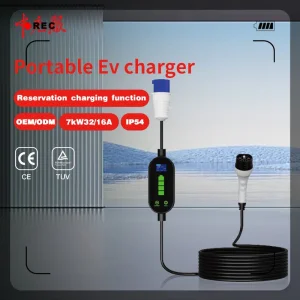
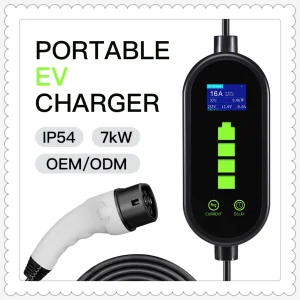
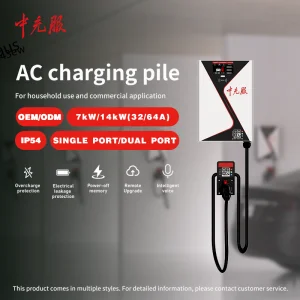
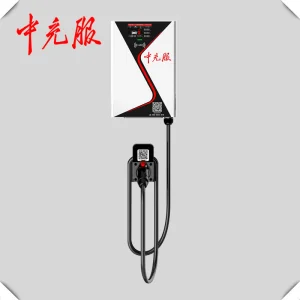
Importers often struggle with standard European three-phase chargers in Brazil. In São Paulo, residential and light commercial locations frequently utilize dual-phase configurations. Our design features customizable internal busbar switching, allowing the AC chargers (7kW and 14kW models) to run efficiently on 220V phase-to-phase configurations without needing expensive external isolation transformers.
From portable recovery systems to smart-grid enabled home installations.
Compliance checklist for importers, developers, and distributors looking to establish charging networks in São Paulo.
In Brazil, electrical devices connected to public networks must undergo strict safety inspections. Testing protocols derived from IEC 61851-1 cover creepage distances, galvanic isolation, thermal resilience, and short-circuit protections.
Our manufacturing center utilizes components with global safety approvals (such as DEKRA CB, CE, and ISO9001). We cooperate with local testing facilities to help importers achieve fast-track INMETRO compliance, offering comprehensive technical document packages, schematics, and component certifications.
Because smart EV chargers rely on integrated cellular, Bluetooth, or Wi-Fi modems to transmit usage and billing data, the RF hardware must carry ANATEL (Agência Nacional de Telecomunicações) approval in Brazil.
Our IoT controller modules use pre-approved RF modems from Quectel/Simcom, which are pre-certified by ANATEL. This design choice minimizes testing bottlenecks for your import cycles, ensuring smooth clearances through the Port of Santos.
How specialized ODM manufacturing accelerates deployment timelines for operators in São Paulo.
Unlike standard factories, our development sister-company Fonsencharge designs and produces its own master control boards. This level of vertical integration allows us to modify charging behaviors, customize displays, and adapt firmware parameters directly at the register level to align with local Brazilian power standards.
Our state-of-the-art SMT lines, automated enclosure assembly, and rigorous climate-chamber testing guarantee long-term field reliability. With over 15 software copyrights and utility patents, our product lines deliver reliable up-time, reducing operational overhead and call-outs for local maintenance crews.
Import duties on completed electronics into Brazil (under the Mercosur Common External Tariff) can exceed 20-30%. We offer Semi-Knocked-Down (SKD) options, shipping metal/polycarbonate enclosures, master boards, and cables separately, allowing local assemblers in SP to benefit from lower component tariffs.
Practical engineering frameworks optimized for local real estate configurations and logistics layouts.
In high-density residential high-rises in districts like Jardins or Moema, individual apartment owners connect chargers to shared building grids. Using OCPP-based RFID tags or app-authentication, utilities and condo managers track exact power usage, auto-billing residents via digital slips (Boleto Bancário).
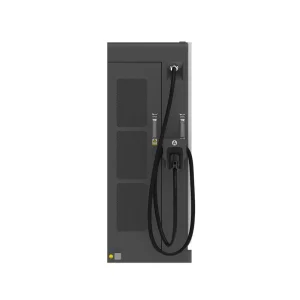
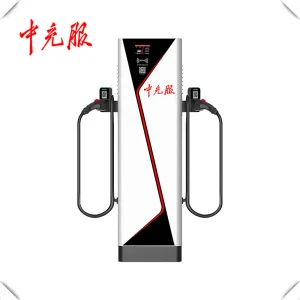
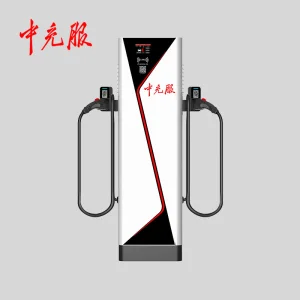
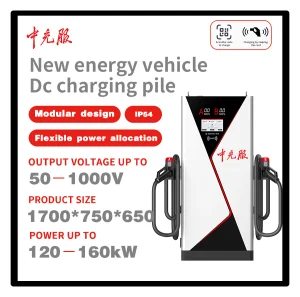
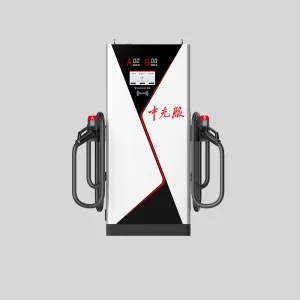
In logistics corridors near Guarulhos, Campinas, or Rodoanel Mário Covas, commercial fleets require high-power DC chargers. Our 120kW/240kW dual-gun configurations deliver fast charge cycles, ensuring delivery vans can complete intra-city shifts with minimum downtime.
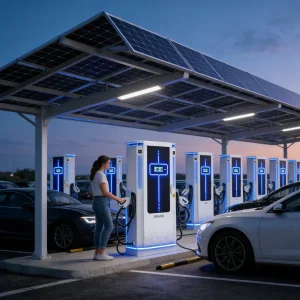
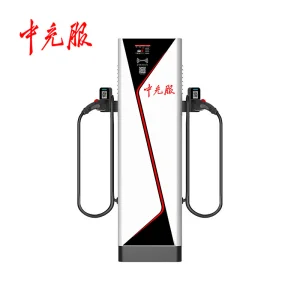
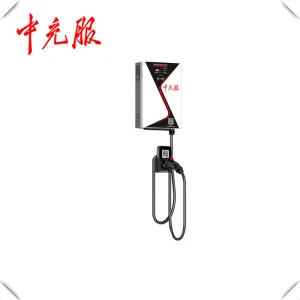
Shopping centers, hotels, and retail hubs along Avenida Faria Lima deploy multi-protocol AC units. Built-in smart screens, QR code integrations, and credit card gateway interfaces create seamless monetization models for CPOs operating in these dense urban areas.
Highly compatible smart systems engineered for residential, commercial, and emergency charging networks.
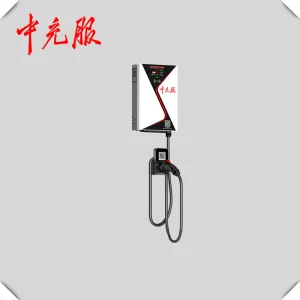
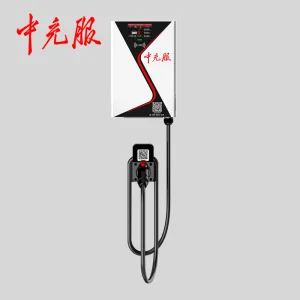
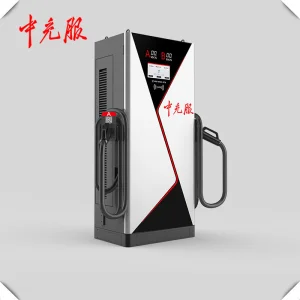
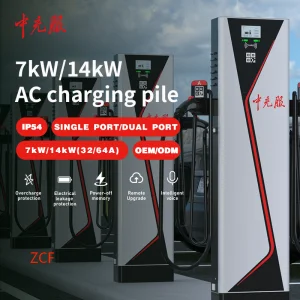
Deep vertical integration from master control PCB board development to finished global charger distribution.
Greenvora adhere to the technical enterprise, scientific research, design, manufacturing, sales and service in one, We specialized in providing system energy solutions for customers.
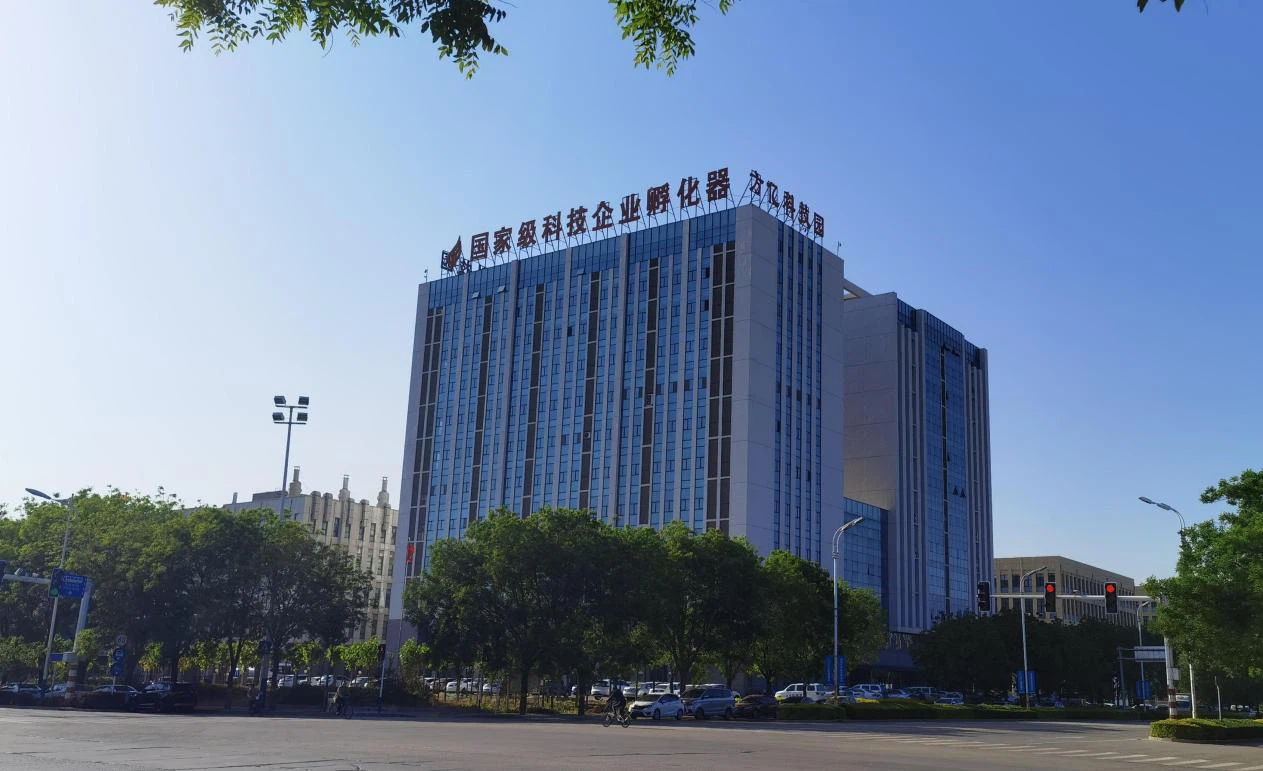
With the independent development ability of charging master, Fonsencharge can provide customized core master control board for charging pile enterprises. At the same time, the company has formed cooperation with dozens of large charging pile related enterprises at home and abroad in the ODM field and achieved excellent results.

Headoffice has obtained multiple certifications such as DEKRA CB, CE, ISO9001, high-tech enterprise, technology SMEs, quality management system, AAA credit, etc; and has won 15 software copyrights, multiple invention patents, utility model patents and design patents.
Technical and regulatory guidance for purchasing officers, EPC installers, and CPOs in São Paulo.
Connect with our technical design team to request engineering drawings, localized firmware setups, or a factory quote.
 Greenvora Charger