High-efficiency DC fast chargers and AC smart-charging units engineered to European quality standards.
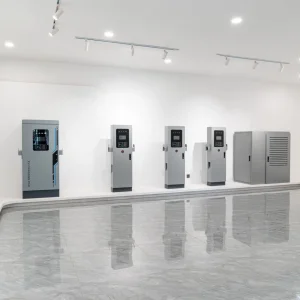
The global electric vehicle (EV) sector is transitioning from an early-adoption stage to a mature industrial deployment era. As municipal regulations push for total carbon neutrality by 2035, logistics companies, commercial fleet managers, and highway corridors are under pressure to establish dependable, fast-charging networks. Essential to this deployment is compliance with CE (Conformité Européenne) certification standards, which ensures safety, electromagnetic compatibility, and reliable operation across the European Economic Area (EEA) and global markets using CE framework templates.
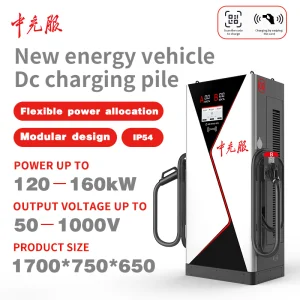
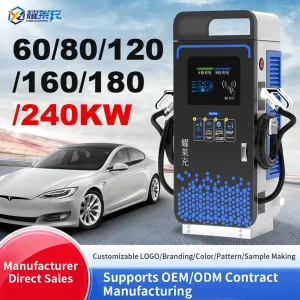
CE marking acts as a regulatory baseline, validating that charging piles comply with the low voltage directive (LVD) and electromagnetic compatibility (EMC) regulations. For high-output systems like the Zhongchongfu 120-160kw Powermax DC Station or split-type 960kw installations, CE certification confirms the unit can manage high currents safely without feeding back noise into the power grid or malfunctioning due to external electrical interference.
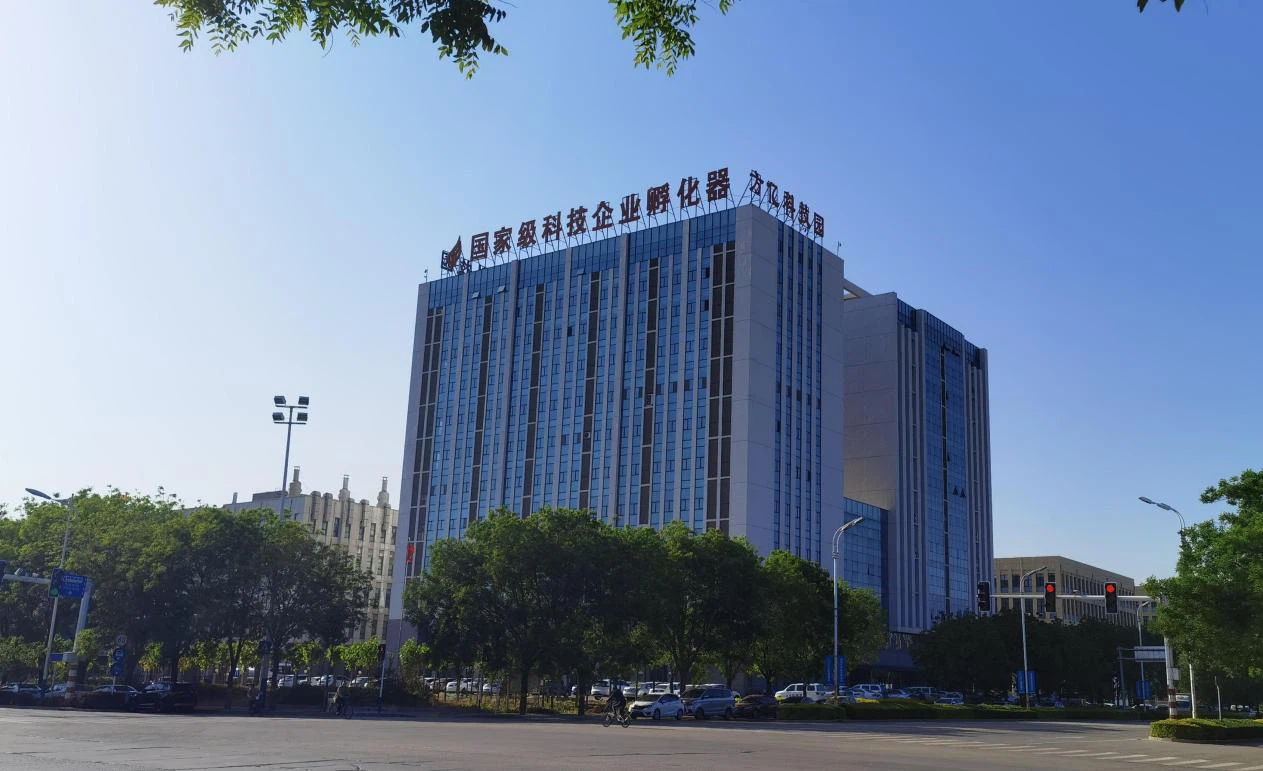
Collaborative strengths in engineering, manufacturing, and customized solutions.
Greenvora operates as an integrated enterprise combining scientific research, product design, manufacturing, sales, and service to supply energy systems globally. By partnering with advanced production platforms, Greenvora delivers scalable, high-efficiency equipment tailored to commercial clients.
Cooperating in ODM and technological development, Fonsencharge brings deep expertise in charge controller hardware design. Fonsencharge's independent R&D capacity in core master control boards enables tailored software and hardware adjustments for charging pile enterprises worldwide. This master control architecture manages temperature regulations, billing processes, and protocol handshakes (such as DIN 70121, ISO 15118, and OCPP 1.6J/2.0).
With dozens of large-scale international ODM agreements completed, the company’s head office maintains rigorous quality credentials, securing DEKRA CB, CE, ISO9001, and regional High-Tech Enterprise designations. Additionally, it holds 15 software copyrights alongside multiple patents for utility, design, and internal circuit safety innovations.
Why leading buyers focus on component integration and standards compliance.
High-power installations require active phase balancing and grid frequency protection. Advanced master control boards shift power dynamically based on instant grid feedback, avoiding localized transformer overloads.
With the adoption of OCPP 2.0.1 and ISO 15118, secure encryption keys manage identity protection, preventing unauthorized power usage or structural attacks on grid operations via local nodes.
Silicon Carbide (SiC) switching components minimize thermal dissipation. This design improves power efficiency to over 96%, reducing monthly operating costs for fleet depots and public stations.
China is a major hub for EV charging infrastructure supply chains. The convergence of lithium battery refinement, component suppliers, specialized SMT electronics houses, and cabinet assembly plants enables rapid iteration cycles and competitive pricing.
This integration directly supports the fast lead times and custom engineering requested by foreign buyers. For example, upgrading a standard 40kw charger module to 100kw, or creating split-type units from 360kw up to 960kw, requires specialized expertise. Chinese factories utilize automated testing equipment (ATE), high-power dummy load simulators, and environmental test chambers to ensure compliance with standards like DEKRA CB and CE. This rigorous process minimizes defect rates prior to international shipment.
| Evaluation Parameter | Chinese Tier-1 Manufacturers | Western OEM Providers | Strategic Impact for Buyers |
|---|---|---|---|
| Prototype turnaround times | 2–4 weeks (agile sourcing) | 12–16 weeks (fragmented components) | Shortens time-to-market for project tenders |
| Customization of master controllers | Direct firmware access and open hardware | Closed proprietary control stacks | Enables custom billing, apps, and localized grid management |
| Testing and compliance validation | Integrated testing bays for CE, CB, MID, UL | Outsourced laboratory verification | Lowers certification costs for volume orders |
| Cost-to-power density ratio | Optimized through integrated supply chains | High overhead from custom components | Reduces payback periods for commercial charging hubs |
Evaluating localized environments is critical to select the correct EV charging equipment. Selecting the right hardware protects the asset from harsh elements while improving utility rates.
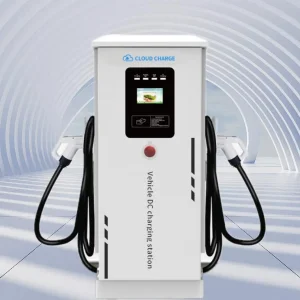
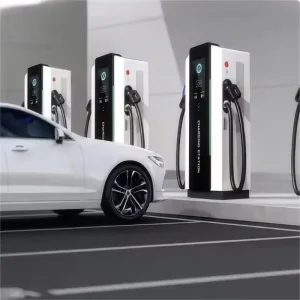
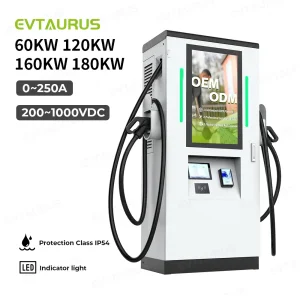
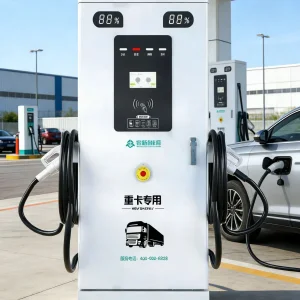
For municipal rest areas and gas stations, high-power DC dual-gun chargers (such as 120kw, 160kw, or 180kw systems) provide rapid charging for drivers. Features like outdoor-rated IP54 cabinets and anti-vandalism screen panels ensure durability in public spots.
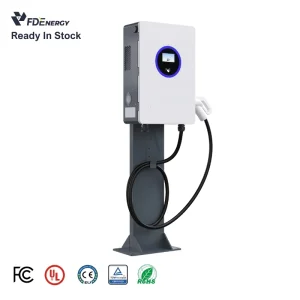
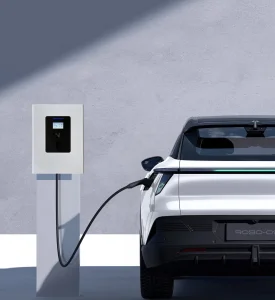
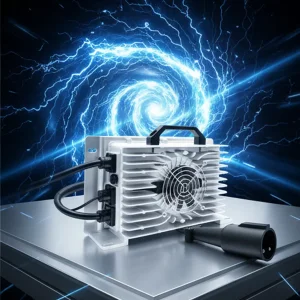
Delivery fleets require overnight charging. Mixing wall-mounted 20kw–40kw DC chargers with high-output 22kw–44kw dual-gun AC units allows managers to balance charging speeds based on vehicle schedules, keeping operational costs low.
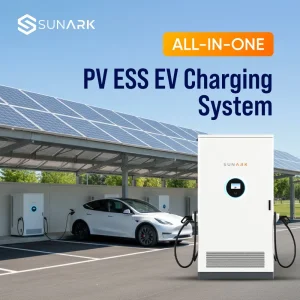
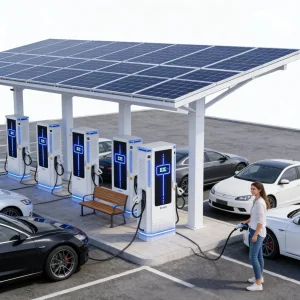
For sustainable retail spaces, solar-integrated chargers use battery buffers to store energy. This design allows charging at 100kw without relying on high-capacity grid connections, lowering demand fees.
Understanding future trends helps businesses select charging infrastructure that won't become obsolete quickly. The next decade will demand changes in software and high-power connections:
Answers to critical questions regarding certifications, testing, and customization.
CE certification proves compliance with safety, health, and environmental standards (such as LVD and EMC directives). MID (Measuring Instruments Directive) certification is required in the EU for chargers used in public transactions, verifying that energy measurement is accurate and tamper-proof.
Yes. Fonsencharge specializes in designing custom charge controllers. We tailor PCBs and control software to support unique interfaces, customized communication modules, and specific grid balancing rules.
Industrial DC units utilize IP54 or IP55-rated enclosures alongside closed-loop heat exchangers or liquid cooling. Built-in moisture sensors, heating elements, and over-temperature throttling protect internal power modules from failing in freezing cold or desert heat.
All commercial units support standard OCPP 1.6J protocols, with optional upgrades to OCPP 2.0.1. This supports easy integration with commercial networks, third-party payment platforms, and fleet management systems.
From smart home AC chargers to commercial, high-power DC highway stations.
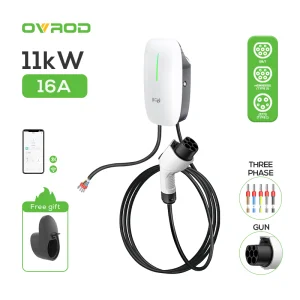
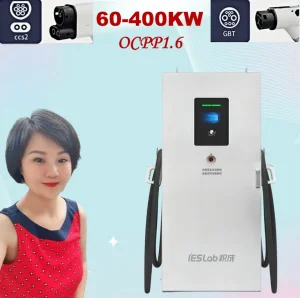
 Greenvora Charger