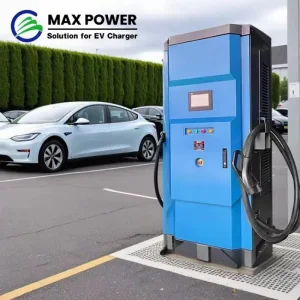
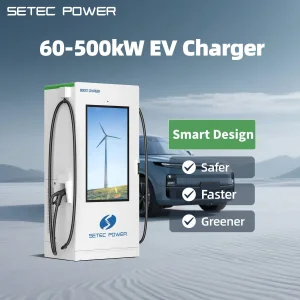
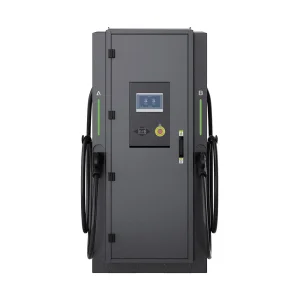
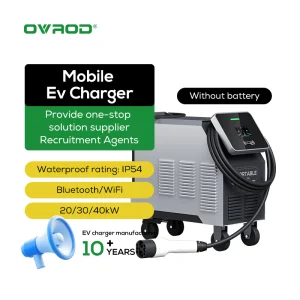
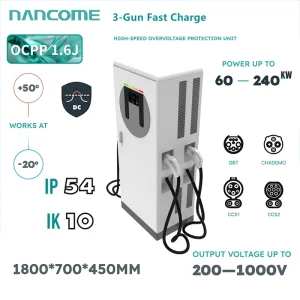
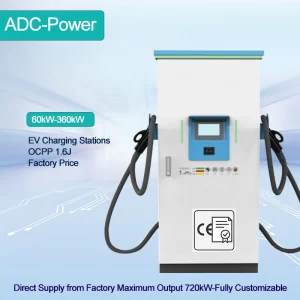
Engineered to match SADC grid requirements and Namibia's high solar irradiance profiles, these stations offer rapid turnaround times for logistics, mining, and highway corridors.
Analyzing key microeconomic drivers, logistical requirements, and utility structures shaping EV charging in Southwest Africa.
Connecting high-power chargers to Namibia's national grid requires deep understanding of localized transmission constraints. Our systems leverage advanced dynamic load management to safely operate within NamPower's medium-voltage networks without triggering demand penalties or grid instability.
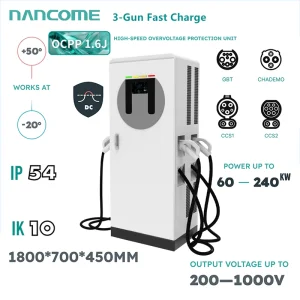
As a member of the Southern African Development Community (SADC), Namibia utilizes CCS Type 2 (CCS2) configuration for DC fast charging. Our exports comply fully with SADC vehicle imports, ensuring seamless vehicle-to-charger handshakes for logistics trucks and passenger fleets.
Namibia holds one of the highest solar irradiance levels globally. Our Level 3 chargers feature integrated DC-coupled solar PV inputs, allowing fleet operators and remote lodges to utilize direct solar power, mitigating electricity costs and carbon intensity.
The electric vehicle ecosystem is shifting rapidly from low-power destination AC charging to high-power, high-throughput DC charging (Level 3). Globally, logistics hubs, commercial depots, and highway corridors require charging infrastructure that offers a 10% to 80% state-of-charge replenishment in under 30 minutes.
Our manufacturing pipeline addresses this transition by utilizing advanced Silicon Carbide (SiC) power modules. SiC technology dramatically increases conversion efficiency, reduces cooling requirements, and ensures the systems can operate at elevated ambient temperatures—such as those commonly encountered across the Namib Desert—without thermal derating.

Understanding where and how Level 3 chargers can be deployed to solve real-world logistical challenges across Namibian industries.
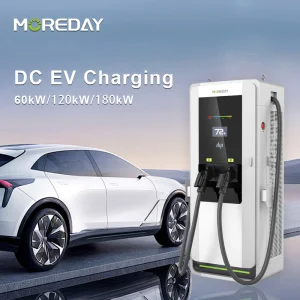
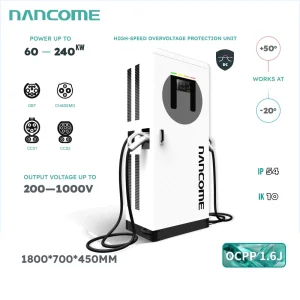
Connecting Windhoek to coastal Walvis Bay or Southern Keetmanshoop requires reliable charging intervals. Placing our 120kW to 240kW DC fast chargers at major service plazas enables inter-city passenger travel and commercial transport without prolonged stops.
Off-grid operations in high-conservation zones (like Etosha or Sossusvlei) require quiet, solar-coupled charging systems. By integrating Level 3 DC chargers with local PV microgrids, operators can charge tour vehicles silently during lunch stops using clean, locally generated solar power.
For uranium and lithium extraction operations in the Erongo region, commercial transport fleets operate on demanding shifts. High-capacity DC charging piles with dual-outlet liquid-cooled cables allow heavy electric haulers to charge concurrently, maintaining strict operational cycles.
As the primary logistical gateway, Walvis Bay Port demands fast turnaround for delivery vans and drayage trucks. Deploying media-integrated Level 3 chargers optimizes fleet uptime while presenting branding and operational data on high-visibility screens.
Delivering high-performance charging systems built on independent software control and certified international engineering.
Greenvora and Fonsencharge offer complete custom ODM and OEM solutions for charging pile operators globally. With the independent development capacity of our core charging master control boards, we supply highly optimized circuitry boards to global manufacturers, enabling bespoke operational logic, custom communication handshakes, and smart power allocation algorithms.
Our headquarters maintain rigorous quality standards, achieving certifications such as DEKRA, CB, CE, and ISO9001. With over 15 software copyrights and multiple invention patents, our technologies undergo exhaustive thermal and voltage stress testing to survive extreme ambient fluctuations, making them ideal for the Namibian market.
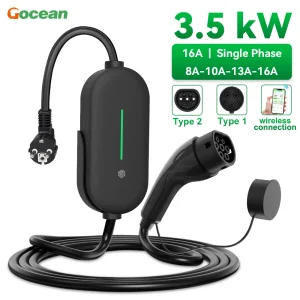
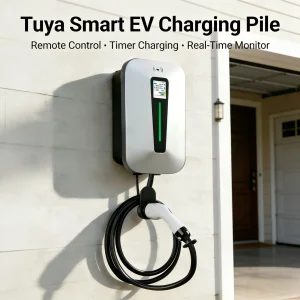
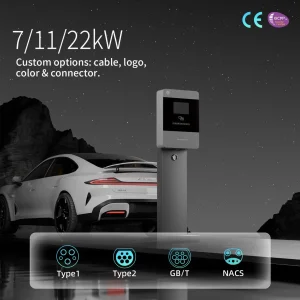
Explore our complete product lineup, including heavy commercial dual-nozzle chargers, portable roadside assistance units, and high-efficiency destination AC chargers.
Greenvora designs complete energy ecosystems that translate product excellence into sustainable, high-uptime charging assets.
By coupling Level 3 charging piles with Battery Energy Storage Systems (BESS), operators can store solar energy during daylight peak periods and dispense it at high speed at night, minimizing grid dependency and bypassing peak electricity rates.
Equipped with OCPP 1.6J or OCPP 2.0.1 protocols, our chargers integrate seamlessly with African mobile money and payment gateways, enabling remote system configuration, user access validation, and detailed energy logging.
Namibia is characterized by hot climates and particulate dust winds from the Namib and Kalahari. Our outdoor units are engineered with IP55-rated double-wall enclosures, sand filters, and thermal heat exchanges to maintain continuous performance under peak temperatures.
Addressing the technical, regulatory, and mechanical questions essential for procurement teams and project managers.
Connect with our expert engineering team to receive customized CAD layouts, single-line diagrams, and competitive wholesale pricing for high-power DC Level 3 charging piles.
Send Inquiry Now Greenvora Charger