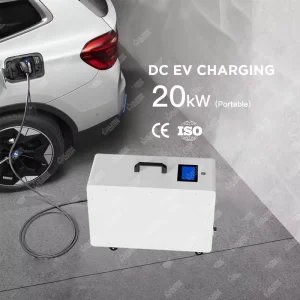
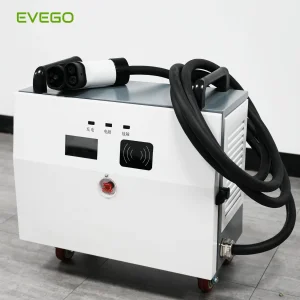
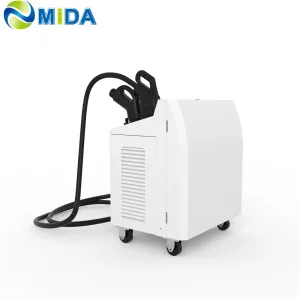
Heavy-duty, deployment-ready mobile DC fast chargers designed to withstand the harsh environmental parameters of DR Congo mining and logistics hubs.
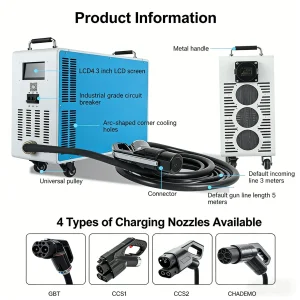
An executive white paper on driving decarbonization across sub-Saharan Africa's key mineral resource sectors.
The Democratic Republic of Congo (DR Congo) holds a pivotal position in the global clean energy transition, producing over 70% of the world’s cobalt and substantial reserves of high-grade copper. Ironically, the local transportation networks and heavy mining sectors in regions like Lualaba (Kolwezi) and Haut-Katanga (Lubumbashi) face severe energy distribution challenges. The national electricity grid (operated by SNEL) suffers from localized capacity constraints, making the deployment of fixed, megawatt-level EV charging plazas slow and capital-intensive.
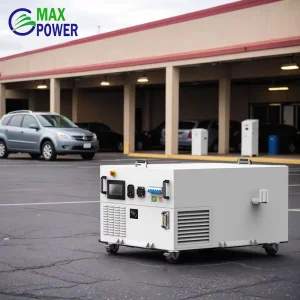
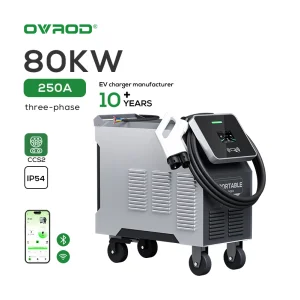
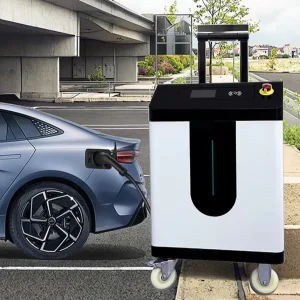
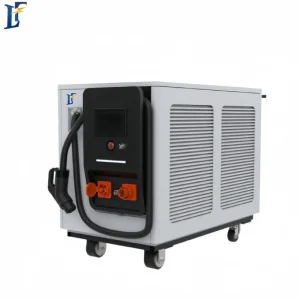
To bridge this gap, portable and mobile DC fast EV chargers represent the most viable operational strategy. Rather than committing millions of dollars to stationary grid hookups that may suffer from frequent brownouts, mining operators, commercial logistics fleets, and municipal utility providers are deploying mobile charging configurations. These systems can be moved dynamically between pit areas, administrative hubs, and regional transport routes, operating in perfect harmony with off-grid microgrids (Solar PV + Battery Energy Storage Systems) or industrial diesel generators.
Why standard retail chargers fail in DR Congo, and how our industrial-grade portable DC architectures solve environmental challenges.
Operating high-frequency power electronics in central Africa requires addressing three critical environmental challenges: extreme dust (laterite soil common in Katanga), high ambient temperatures up to 45°C, and wild grid voltage fluctuations. Below is our engineering roadmap outlining how our portable systems protect electrical components.
| Environmental Challenge | Standard Charger Limitation | Our Portable DC Charger Solution |
|---|---|---|
| Laterite & Conductive Dust | Clogs air filters, leading to internal short circuits on open PCBA tracks. | Fully sealed inner electronics chambers (IP54 / IP65 enclosures) with dual-chamber heat dissipation design. |
| Severe Grid Fluctuation (SNEL Grid) | Under/Over voltage spikes trigger permanent component breakdown or fire. | Dynamic voltage tolerance modules handling input drops down to 300V AC or spikes up to 450V AC. Integrated surge protection. |
| High Ambient Heat (40°C+) | Power de-rating above 30°C, lowering charge rates. | Liquid-cooling pathways for power modules and smart temperature control loops with LiFePO4 thermal isolation. |
| Off-Grid Generator Power | Total Harmonic Distortion (THD) from gensets causes charger errors. | Active Power Factor Correction (PFC > 0.99) and EMI filters matching unstable generator outputs. |
At the heart of our systems is the Fonsencharge independent master control board. As a primary OEM/ODM supplier to dozens of global charging brands, we develop the hardware and firmware directly. This allows us to tailor specific control logic, OCPP 1.6J/2.0.1 integrations, and local battery-buffer management setups specifically requested by mining corporations operating in DR Congo. We don't just assemble chargers; we design the core computational architectures.
Engineered for utility teams, repair depots, and light EV fleets traversing central African corridors.
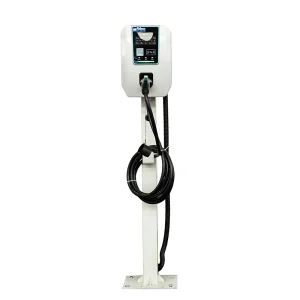
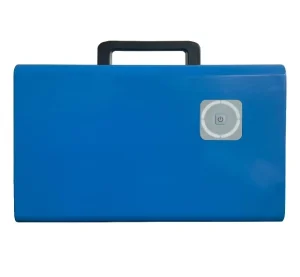
Global enterprise buyers sourcing equipment for the Congo basin prioritize rigorous quality standards. Downtime at a mine in Kolwezi or a logistics depot in Matadi costs thousands of dollars per hour. Our production facility operates under strict international certifications, ensuring that each portable DC charger meets the highest standards for performance and electrical safety.
How we support African enterprise customers from the initial factory floor order to site deployment.
We work directly with major African logistics partners. Products shipped to the DR Congo are securely routed through either the Western Corridor (via Matadi Port directly to Kinshasa) or the Southern Corridor (via Durban or Dar es Salaam for overland transport directly to the Katanga mining hub).
We supply all required international trade documentation, including CE certification, DEKRA safety reports, Bill of Lading, and commercial invoices. This ensures seamless customs clearance and prevents administrative delays at the border.
All our smart-connected portable chargers (OCPP 1.6J/2.0.1) can transmit real-time telemetry back to our systems. If an issue occurs in remote Congo regions, our engineers can diagnose the fault online and guide your local teams on-site.
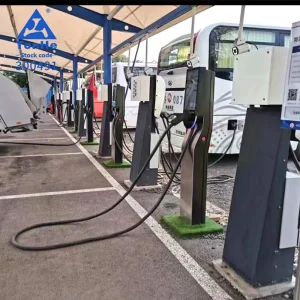
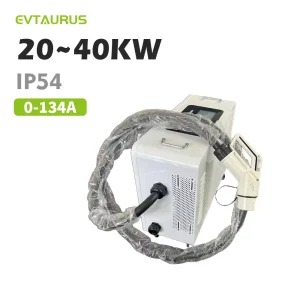
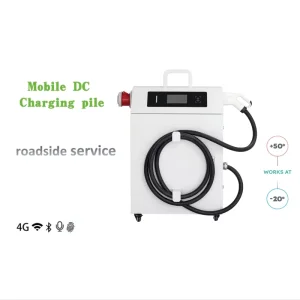
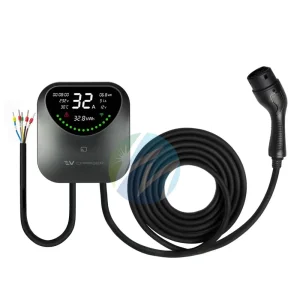
Our complete range of portable, wall-mounted, and roadside rescue DC chargers. Find the ideal match for your operational needs.
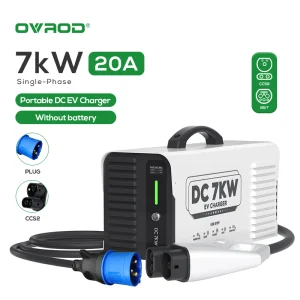
Answers to common technical, operational, and logistics questions from fleet procurement officers.
 Greenvora Charger