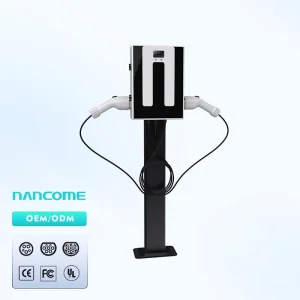
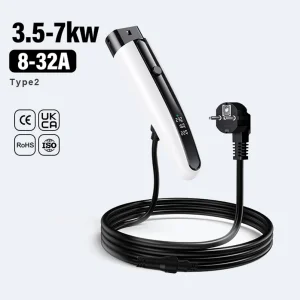
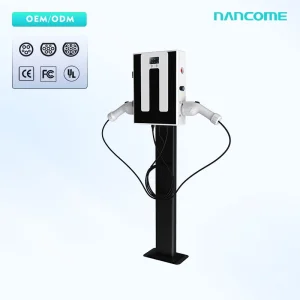
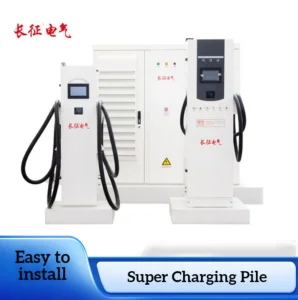
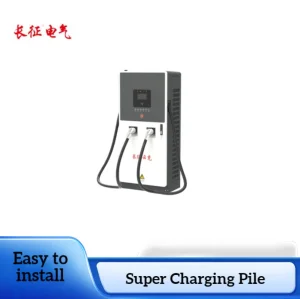
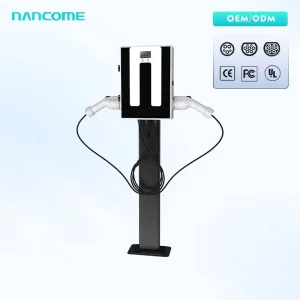
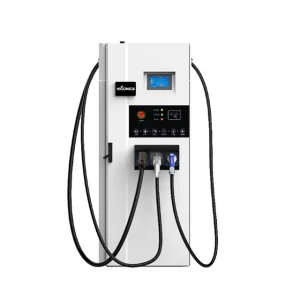
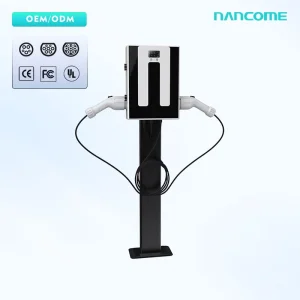
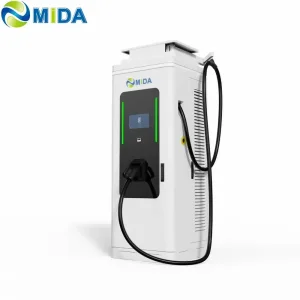
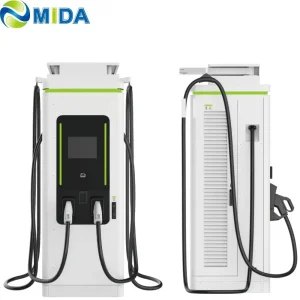
Pre-engineered smart chargers featuring high-efficiency multi-port routing, ideal for Perth shopping precincts, fleet depots, and public infrastructure projects.
Perth, Western Australia, is witnessing a massive transition towards electrification in the resource extraction, heavy logistics, and commercial real estate sectors. Managed under the **South West Interconnected System (SWIS)** operated by Western Power, the regional grid demands unprecedented safety protocols, load balancing capabilities, and dynamic curtailment compliance. Developers in areas like Welshpool, Osborne Park, and Fremantle face strict connection limits and peak demand costs.
Deploying generic EV chargers without local smart dynamic power adjustment can lead to costly network upgrades or heavy fines due to grid overload. Our factory-level integration of IoT and smart telemetry bridges this gap. By utilizing OCPP 1.6J/2.0.1 and local Modbus networks, our chargers communicate directly with Western Australia's building management systems (BMS) and virtual power plants (VPPs).
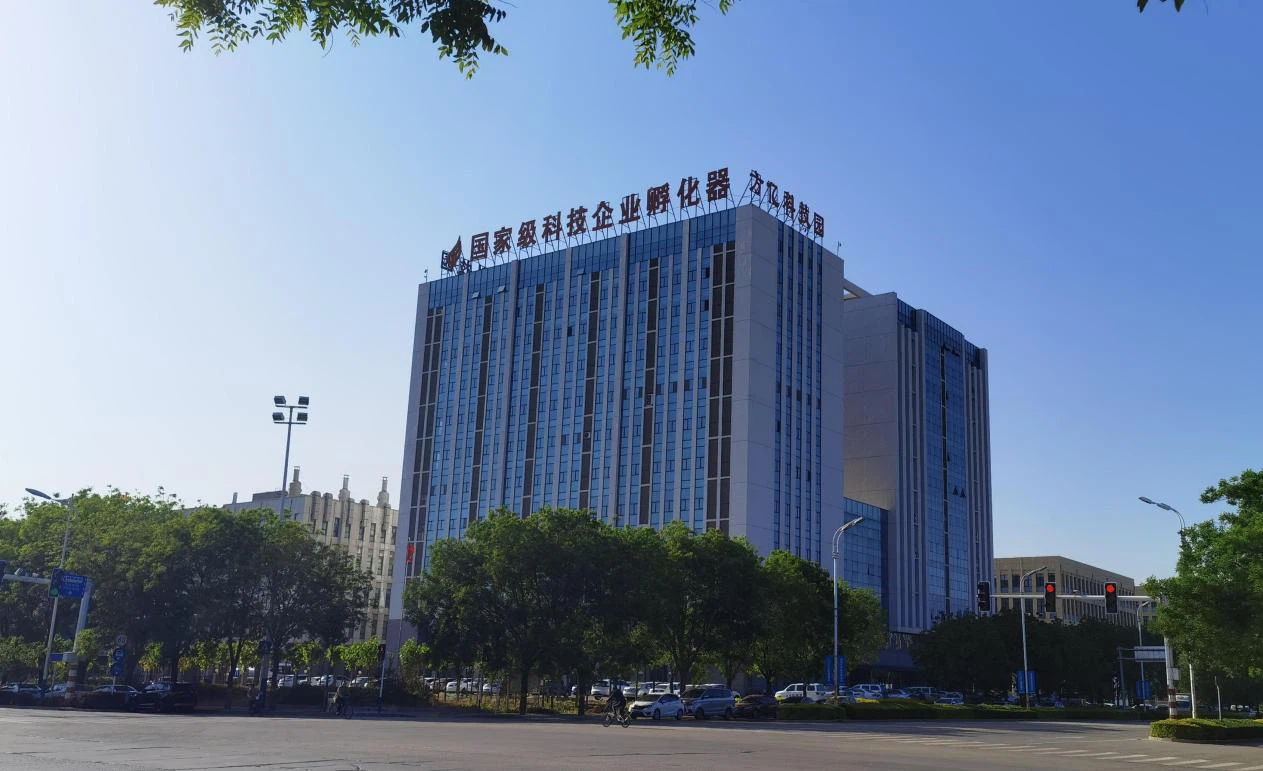
Greenvora & Fonsencharge's integrated core hardware design lab ensuring DEKRA CB, CE, and global safety alignments.
Why proprietary R&D on the master control board determines charging station lifespan, safety, and cloud network agility.

Unlike assembly-only brands, our factory possesses independent R&D and manufacturing capacity for the charging pile core master control board (main PCB). This component acts as the brain of the station, managing signal modulations, billing communication, and physical safety barriers.
For operators in Perth and Western Australia, this means true localization of the operational firmware. From updating remote firmware over-the-air (OTA) to support local payment gateways, to adapting to unique environmental limits like 50°C summer heat in the WA outback.
Combining engineering cost efficiencies with state-of-the-art production management to guarantee reliable operations on-site.
Our manufacturing base utilizes digital twin integration, automated visual inspection (AOI), and robotic soldering processes. This automation reduces production variance down to zero, ensuring that every PCB dispatched meets strict mechanical, electrical, and thermal tolerance tests before shipping to Perth.
With secure vertical integration of semiconductor raw materials, copper transformers, and chassis fabrication, we safeguard against international component shortages. Buyers in Australia receive predictable delivery schedules, preventing multi-month site commissioning delays.
We handle everything from local compliance testing to global certifications (CE, CB, AS/NZS compliance checklists). Standardized configurations lower total cost of ownership (TCO) by reducing the need for post-purchase modification or site rewiring.
Practical integration pathways designed to handle Western Australia’s geographical and electrical landscape.
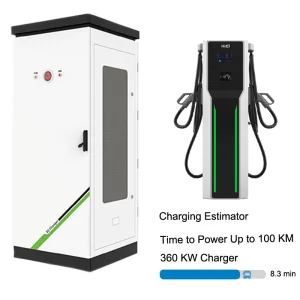
Operating in remote regions of WA often means reliance on diesel microgrids or limited solar arrays. Our high-power 180kW and 400kW DC fast stations feature precise grid monitoring to throttle charging rates dynamically when system loads peak, protecting local microgrid generators.
Multi-tier parking structures must balance dozens of bays simultaneously. Installing multiple single-phase units is highly inefficient. Our 44kW dual-port AC systems and OCPP multi-port frameworks allocate energy on a priority queue system, ensuring vehicles are charged without upgrading building circuit boards.
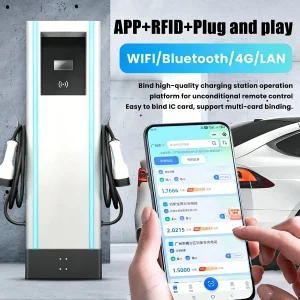
For shopping centers in Joondalup or Mandurah, smart EV chargers double as customer retention tools. Integrated screens, advertising space, and API links to store loyalty applications are fully customizable through our master control firmware.
Explore our highly integrated models engineered to deliver high performance, outdoor durability, and smart load management.
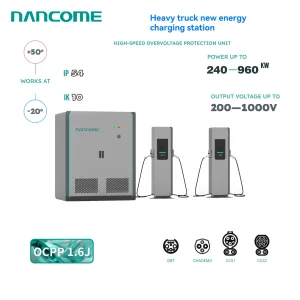
Engineered for high throughput depot operations, long haul electric logistics and utility scale applications in Perth.
Critical engineering and installation answers regarding our multi-port charging platforms.
All chargers installed in Western Australia must adhere to AS/NZS 3000 (Wiring Rules) and AS/NZS 3008. Additionally, chargers must be registered with Western Power or the local Network Service Provider (NSP) if the installation capacity exceeds basic domestic thresholds. Our hardware meets all CE, DEKRA CB, and standard Australian safety and isolation protocols.
High-power rectifiers inside electric vehicle chargers can generate electrical harmonics back into the supply grid. In industrial areas, high THDi can disrupt sensitive telemetry, damage neighboring capacitors, and trigger circuit breaker faults. Our 5% THDi technology ensures grid stability and clean power operation.
Our master control system uses real-time current transformer (CT) feedback to detect the building's aggregate electrical draw. When the local demand rises, the chargers automatically throttle the output to connected vehicles. In multi-port models, power is allocated dynamically between ports based on the vehicle’s state-of-charge (SoC) and battery temperature.
Yes. Our enclosures feature IP54 protection minimum (ranging up to IP65 for targeted PCB compartments), combined with smart thermal management. The components are rated for continuous operation at elevated temperatures, utilizing forced air cooling and derating features to avoid unit shutdown under extreme ambient conditions.
As the direct manufacturer of the control board and firmware, we offer full support for proprietary API configurations, private-label OCPP integrations, and bespoke charging networks. We can customize card payment terminals, RFID reader protocols, and building management systems compatibility (via Modbus/TCP or BACnet).
Get in touch directly with our technical team to discuss project requirements, obtain bulk price sheets, or requests custom mainboard designs.
Send Inquiry Now Greenvora Charger