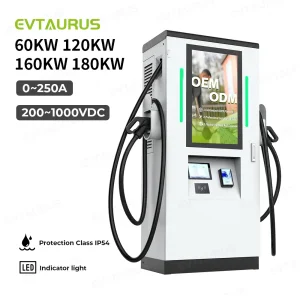
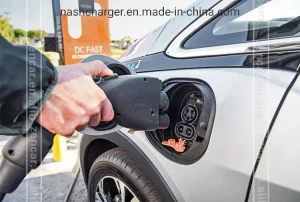
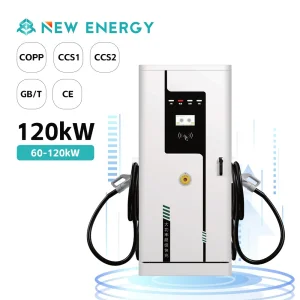
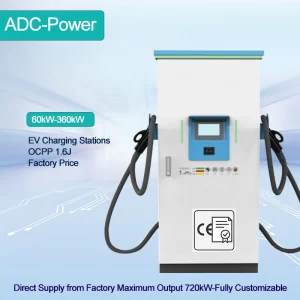
Engineered to withstand extreme physical impacts (20 Joules) and operate flawlessly in harsh environments.
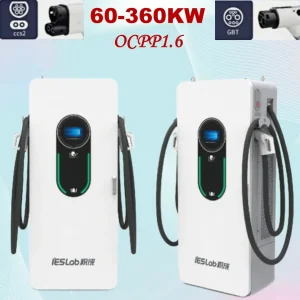
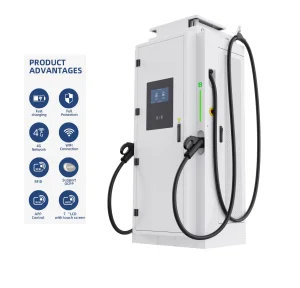
As global electrification accelerates, EV charging infrastructure is transitioning rapidly from protected private spaces to unattended public, commercial, and highly remote industrial areas. This exposure introduces significant operational hazards, notably physical vandalism, accidental heavy impacts, and environmental wear. For charge point operators (CPOs), public transport agencies, and industrial fleet managers, system downtime translates directly to lost revenue, reputational damage, and high maintenance expenditures.
The IK10 rating is a international structural safety standard (defined under EN/IEC 62262) that guarantees an enclosure can withstand an impact kinetic energy of up to 20 Joules. This is equivalent to a 5.0 kg steel mass dropped from a height of 400 mm directly onto the enclosure surface. Implementing IK10 vandal-proof chargers ensures structural integrity, safeguards high-value internal power modules, prevents electrical shocks due to compromised casings, and satisfies strict municipal safety requirements.
Greenvora, a leader in integrated system energy solutions, along with manufacturing collaborator Fonsencharge, stands at the forefront of this safety engineering paradigm. By integrating advanced raw materials, structural ribbing architectures, and robust master control software, our hardware delivers uninterrupted EV charging capacity even under extreme operational abuse.
Selecting the appropriate charging hardware requires understanding where and why physical protection is required. Different regions and public spaces possess distinct risk factors:
High-density, multi-shift environments like municipal bus stations, light-rail park-and-rides, and taxi depots. Constant high-power heavy usage increases risk of vehicle collisions and equipment abuse.
Highway rest stops with low security and no physical staff presence. These chargers are highly vulnerable to cable theft, screen vandalism, and opportunistic damage.
High-density residential complexes with tight parking spaces. IK10 protection protects against low-speed fender-benders, grocery cart impacts, and localized tenant damage.
In addition to structural defense, these environments require advanced digital security. Chargers equipped with OCPP 1.6J or OCPP 2.0.1 protocols enable real-time monitoring and security alerts. For instance, integrated 3D accelerometers and shock sensors can trigger alarms in central management systems the moment an impact event is detected, enabling instant security dispatch and operational shutoff to prevent hazardous short circuits.
The evolution of vandal-proof Electric Vehicle Supply Equipment (EVSE) is shifting from passive physical reinforcement to active, smart-resilient systems. Modern structural engineering is combining lightweight materials with high energy dissipation properties.
Advanced Material Science: Traditional steel casings are heavy and susceptible to rust when the exterior paint film is compromised by scratches. Tomorrow's IK10 chargers utilize carbon-fiber reinforced polycarbonates, aerospace-grade aluminum alloys, and self-healing chemical polymers that deflect physical blows while remaining impervious to oxidation and graffiti chemicals.
| IK Code / Protection Level | Impact Energy Resistance | Equivalent Impact Mechanism | Primary Application Target |
|---|---|---|---|
| IK08 | 5 Joules | 1.7 kg steel mass dropped from 29.5 cm | Residential wallboxes, private indoor parking |
| IK09 | 10 Joules | 5.0 kg steel mass dropped from 20 cm | Commercial shopping centers, semi-public lots |
| IK10 (Industry Gold Standard) | 20 Joules | 5.0 kg steel mass dropped from 40 cm | Unattended public stations, urban transit hubs, industrial depots |
| IK10+ (Future Standard) | 50+ Joules | 10.0 kg steel mass dropped from 50 cm | Extremely hazardous military, marine, and mining sites |
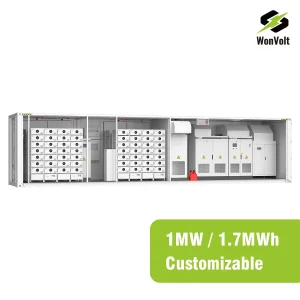
Dynamic Power Grid and Storage Integration: As power demands escalate, next-generation charging setups combine DC fast chargers with on-site Solar Energy Storage Systems (ESS) and microgrid management tools. The integration of high-impact solar chargers and modular battery storage keeps regional stations running even during main grid failures, boosting reliability in remote or critical infrastructure areas.
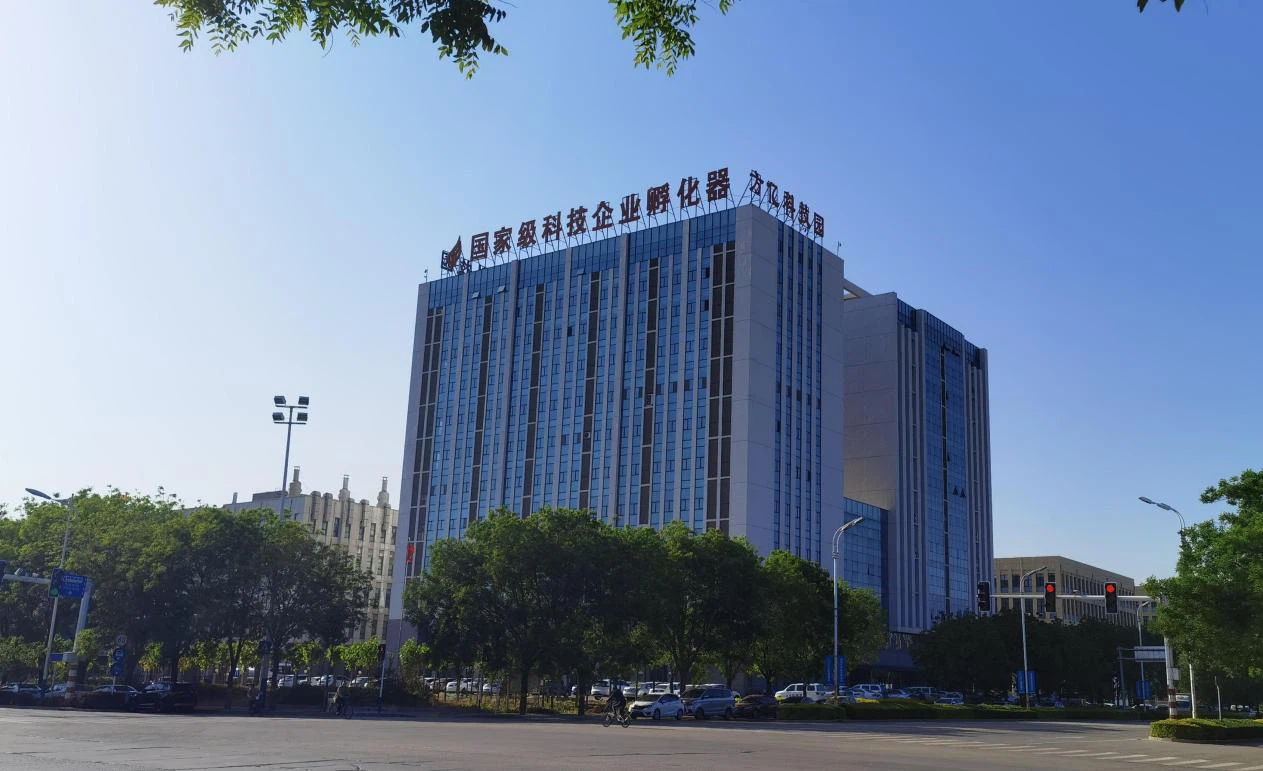
China's EV manufacturing ecosystem delivers unparalleled advantages in vertical integration, supply security, and rapid product development. Our head office manages a highly integrated manufacturing process, encompassing raw material procurement, metal stamping, PCB assembly, and complex software programming.
Fonsencharge's Core Master Control Boards: A major point of differentiation in our technical approach is the independent R&D and manufacture of our core charger control boards. Unlike suppliers who source generic, third-party controller boards, Fonsencharge designs and programs the master control boards internally. This capability allows for complete customization of control logic, rapid bug fixes, seamless OCPP firmware updates, and direct hardware integration with diverse battery storage systems.
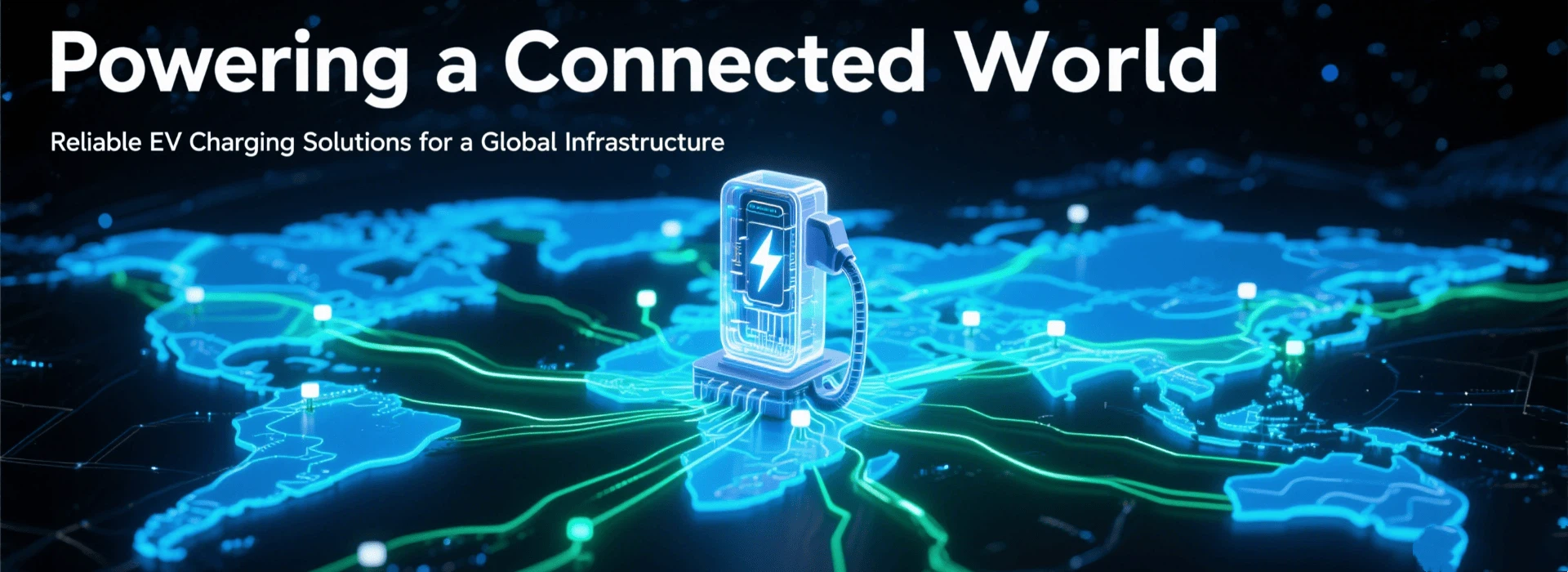
This level of vertical integration means we can offer deep ODM services to global charging networks. From modifying structural dimension specifications to customizing communication APIs for local smart grids, our engineering teams can design, test, prototype, and manufacture custom solutions in a fraction of the time required by Western OEMs.
In the high-voltage electrical equipment sector, safety and regulatory compliance are non-negotiable. To ensure worry-free integration across global markets, Greenvora and Fonsencharge products comply with strict international regulatory frameworks:
Our chargers hold DEKRA CB and CE marks, guaranteeing compliance with European low-voltage and electromagnetic compatibility directives.
Our factories run under certified ISO9001 systems, ensuring rigorous quality checks, traceability, and component stress testing.
All vandal-proof chargers undergo independent lab testing for IP54/IP55 dust/water protection and IK10 impact verification.
Additionally, our head office holds 15 software copyrights, utility model patents, and design patents, highlighting our technical expertise and commitment to intellectual property protection.
Important considerations for global CPOs, engineering consultants, and commercial buyers.
IK10 certified chargers use dual-layer enclosures and internal isolation mountings. When an external impact occurs, the outer shell deforms slightly to absorb kinetic energy, while flexible shock absorbers prevent the shockwave from reaching the internal power modules and main control boards, avoiding physical cracks or solder joint fatigue.
By owning the control board hardware and firmware R&D, we offer deep custom software integrations, including special grid protocols, custom payment APIs, and real-time load management. This allows CPOs to avoid compatibility issues with third-party software updates and reduces component dependency risks.
Yes. Our IK10 chargers feature IP54 or IP55 weatherproof enclosures, operating between -30°C and +50°C. They feature active climate control (cooling fans or heater strips), anti-condensation valves, and anti-graffiti coatings, making them ideal for high-humidity, coastal, or desert environments.
We work with local engineering groups, electrical inspectors, and compliance bodies to verify that our chargers align with regional electrical codes (like CE, CB, and local utility specs). We supply detailed installation manuals, engineering drawings, and remote tech support to ensure smooth local grid connections.
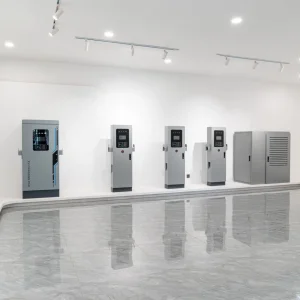
Explore our highly scalable product lines supporting AC residential, commercial DC fast charging, and energy management systems.
 Greenvora Charger