Premium DC charging architectures customized for Equatorial Guinea's grid-deficient environments.
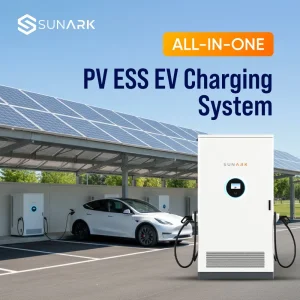
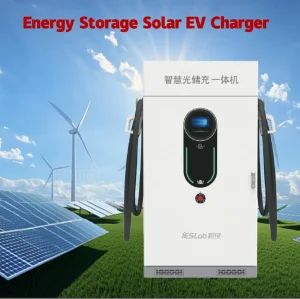
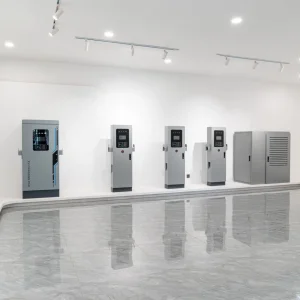
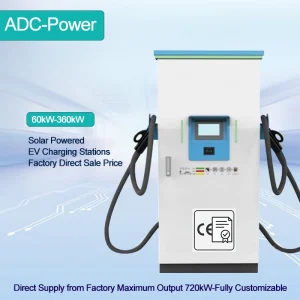
Equatorial Guinea is embarking on a comprehensive energy diversification program under its long-term development agenda. Historically dependent on hydrocarbons, the nation—spanning Bioko Island (Malabo) and the continental Rio Muni region (Bata)—is actively seeking to integrate clean technology to alleviate pressure on local fossil-fuel grids and lower emissions. The integration of Solar-Powered EV Charging systems acts as a cornerstone in this green infrastructure roadmap.
Operating localized charging networks in West-Central Africa presents specific geological and climatic challenges. Bioko Island, dominated by humid equatorial patterns, and Rio Muni, facing intermittent utility grid uptime, require decentralization. For industrial mining concession areas, government municipal fleets, and urban commercial real estate developers, reliance on standard electrical lines from SEGESA (Sociedad de Electricidad de Guinea Ecuatorial) introduces voltage stability issues. An autonomous, microgrid-integrated solar vehicle charger is not merely an eco-conscious alternative; it is an operational imperative.
“By transitioning to direct-coupling Solar-to-EV configurations, companies in Equatorial Guinea bypass grid loss factors up to 18%, locking in zero-carbon operational expenditures for commercial fleets.”
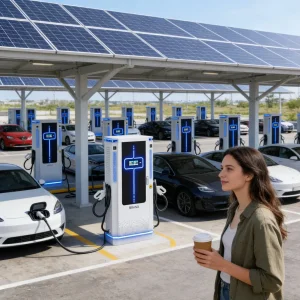
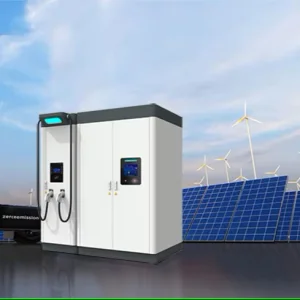
Traditional solar charging topologies utilize an inefficient triple-conversion chain: DC power generated by the photovoltaic (PV) array is converted to AC via a solar inverter, sent to the charger, and then converted back from AC to DC by the electric vehicle's onboard converter. Our commercial and industrial systems utilize highly efficient Direct-DC microgrid coupling. By routing power straight from the PV array through high-efficiency MPPT (Maximum Power Point Tracking) regulators directly to the vehicle's battery via DC Fast Charging protocols (CCS2 / GB/T), conversion losses are slashed by more than 15%.
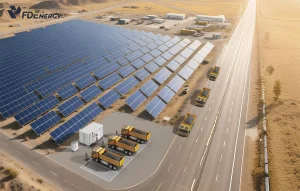
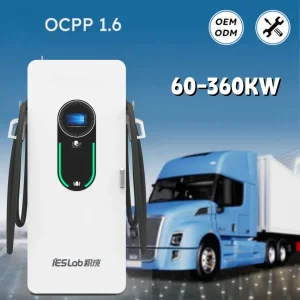
For remote regions in Equatorial Guinea, such as Luba or Evinayong, we supply integrated **Battery Energy Storage Systems (BESS)**. Utilizing lithium iron phosphate (LiFePO4) chemistries, these batteries feature superior thermal safety envelopes, tolerating ambient temperatures up to 55°C without thermal runaway. During peak sunlight hours, our master control board directs power simultaneously to connected vehicles and the storage array. During heavy cloud cover or at night, the BESS discharges seamlessly to provide consistent 60kW to 360kW DC fast-charging outputs.
Decentralized systems offering dynamic power allocation for remote infrastructure and fleets.
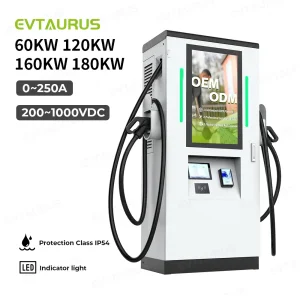
Equatorial Guinea is subject to some of the most demanding environmental stressors on earth. The high humidity index (often exceeding 90%), combined with coastal salt spray in Malabo Port and Bata, accelerates corrosion on conventional electrical installations. To combat this, our outdoor charging enclosures undergo strict C5-M (Marine) anti-corrosion treatments, ensuring double-layer powder coatings and 316-grade stainless steel fasteners.
Furthermore, the region experiences frequent high-intensity lightning storms. Our solar chargers are equipped with Class I+II surge protection devices (SPDs) and galvanic isolation barriers. This protects the internally developed Fonsencharge main control boards from high-voltage surges caused by lightning strikes on the solar array. The control board is customized to handle extreme thermal fluctuations through an integrated smart cooling design, balancing active liquid cooling for high-power dispensers (above 360kW) and passive heat dissipation for medium units.
Our infrastructure holds key safety certifications including DEKRA CB, CE, and ISO9001, ensuring alignment with international energy grid standards and local regulatory requirements.
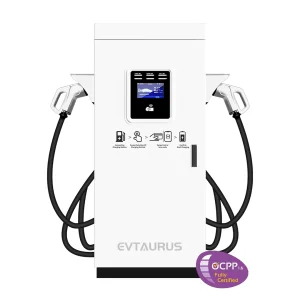
Modern EV fleets demand real-time telemetry, remote power allocation, and precise billing. Our chargers support the **OCPP 1.6J and OCPP 2.0.1 protocols**, enabling local operators in Malabo and Bata to monitor load distribution via centralized management systems. Fleet managers can implement dynamic load balancing, prioritizing charging speeds for active duty vehicles while trickling power to backup units, thereby minimizing the stress on backup diesel generator sets.
This control capability is anchored by Fonsencharge's customizable main control boards. Designed in-house, these boards allow integration with payment systems, RFID reader arrays, and localized cellular backhauls (4G/5G). Even when operating in remote forestry and oil extraction stations where landlines are unavailable, these units remain fully visible and manageable via secure cloud interfaces.
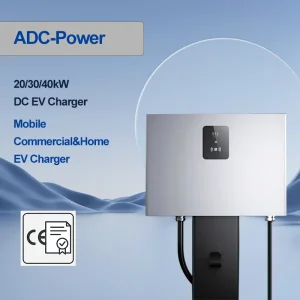
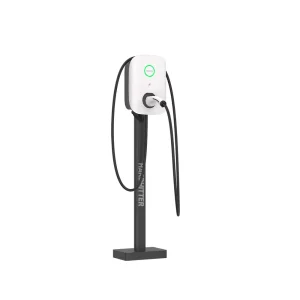
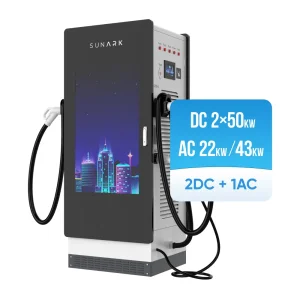
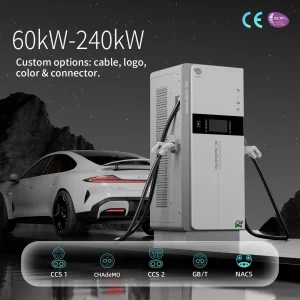
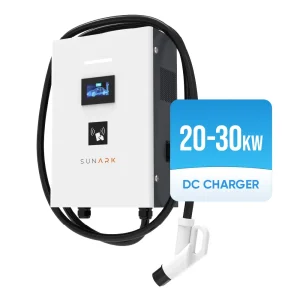
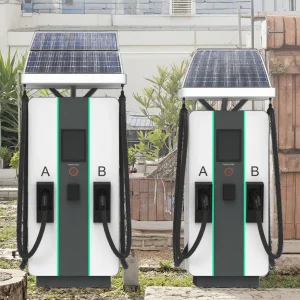
Select from our comprehensive lineup of fast chargers configured for commercial scale projects.
Greenvora operates as a vertically integrated engineering and manufacturing group, focusing on delivering turnkey solar EV infrastructure solutions globally. From initial component layout design to complete system deployment, we integrate independent research, state-of-the-art production lines, and local compliance certification.
Our strategic engineering partnership with Fonsencharge brings an exclusive range of charging master control boards directly to the Equatorial Guinea market. This co-development model ensures that our partners receive tailormade software capabilities, allowing custom protocols, remote over-the-air (OTA) updates, and flexible grid integration configurations.
We back our manufacturing excellence with rigorous QA protocols. Our headquarters have obtained certifications including **DEKRA CB, CE, ISO9001**, and AAA corporate credit status. Supported by more than 15 software copyrights and patents, we guarantee that all hardware arriving at the ports of Malabo or Bata is built to the highest safety and reliability standards.
Inquire About OEM Partnership
Detailed technical responses addressing procurement, installation, and operation in the region.
 Greenvora Charger