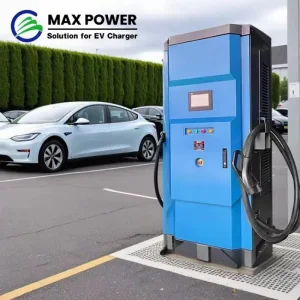
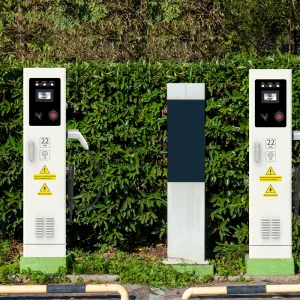
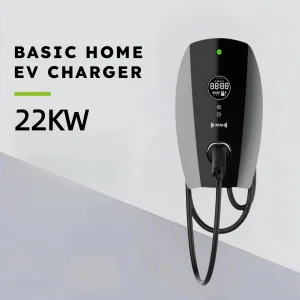
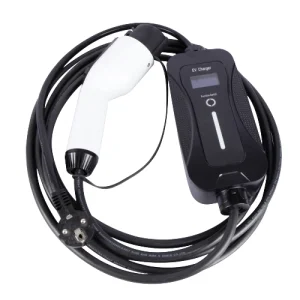
Engineered to satisfy residential safety limits, public high-uptime operations, and commercial smart microgrids.
Greenvora adheres to the core philosophy of unifying scientific research, rigorous design, high-standard manufacturing, global sales, and lifecycle services into one streamlined operation. We do not simply build charging boxes; we are highly specialized in providing complete systemic energy solutions for global home, commercial, and municipal clients.
By designing infrastructure that integrates seamlessly with renewable microgrids, battery energy storage systems (BESS), and digital payment gateways, we enable grid operators and distributors to optimize energy distribution without grid overloads.
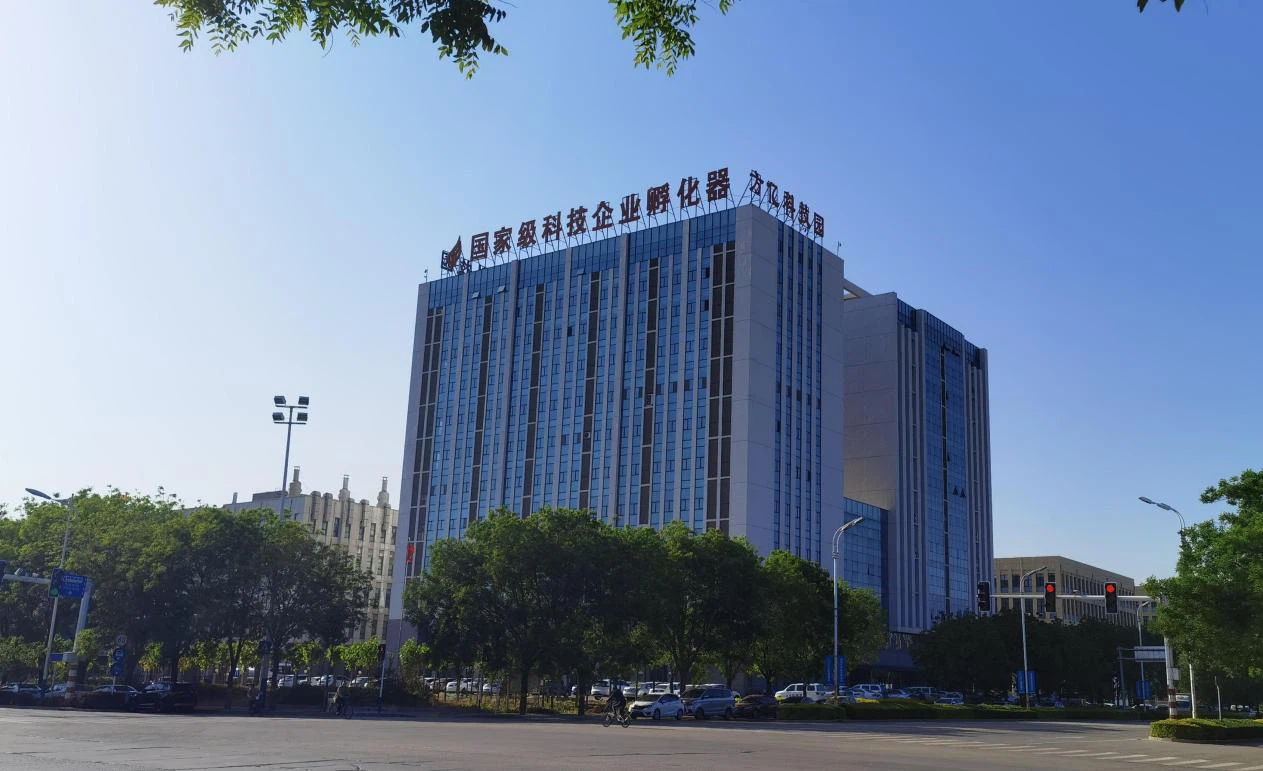
Unraveling the technical dynamics of next-generation residential and commercial charging deployments.
The accelerating global transition toward zero-emission transport has fundamentally transformed the requirements for residential electric vehicle supply equipment (EVSE). Initially viewed as simple terminal units, today's home charging stations are sophisticated nodes in dynamic energy grids.
In major regions like North America (UL standards), Europe (IEC standards), and the Asia-Pacific (GB/T standards), the rapid adoption of utility-scale heat pumps, residential solar arrays, and high-capacity battery packs has created significant electrical strain. As a result, home charging is transitioning away from static power delivery. Leading distributors now require charging infrastructure capable of dynamic local grid synchronization, multi-device communications, and real-time load management to prevent localized distribution transformer failure.
China's manufacturing ecosystem plays a critical role in solving this challenge. By leveraging comprehensive local semiconductor supply chains, high-volume production facilities, and mature software expertise, top-tier Chinese manufacturers can build advanced EVSE. This equipment meets stringent international safety compliance requirements while offering significant cost efficiency and hardware reliability.
Monitors home power usage in real-time, automatically adjusting EV charge speeds to prevent tripping main breakers when appliances are active.
Equipped with standardized OCPP 1.6J and OCPP 2.0.1 protocols to easily integrate with third-party billing network backends and commercial management systems.
Supports direct green power harvesting through solar installations, prioritizing clean generation over grid import to reduce household carbon footprints.
With the independent development ability of charging master components, Fonsencharge can provide customized core master control boards for charging pile enterprises globally. At the same time, the company has formed deep partnerships with dozens of large charging pile enterprises both domestically and internationally within the ODM field, achieving excellent results.
By designing and programing the firmware in-house, we control the fundamental communication layers. This allows us to quickly deploy features like ISO 15118 (Plug & Charge), customize CAN bus parameters for new EV models, and optimize thermal performance on the control board. This degree of control minimizes firmware compatibility issues and reduces the risk of hardware lock-in for our enterprise partners.
Our global operations are validated by recognized international testing and certification standards.
Our head office has obtained multiple rigorous certifications, including DEKRA CB, CE, ISO9001, and has been officially recognized as a High-Tech Enterprise and a Technology SME. With an audited Quality Management System and an AAA Credit Rating, our commercial foundation ensures long-term operational security for international buyers.
Additionally, we hold 15 software copyrights, multiple invention patents, utility model patents, and design patents. This extensive intellectual property portfolio represents our commitment to original engineering, distinguishing us from basic assembly shops and establishing our standing as a primary exporter.
Fully compliant with IEC 61851-1:2017 standards, including built-in 6mA DC leakage protection (RCD Type B equivalent) and PEN fault protection for UK operations without expensive earth rod ground-installations.
Engineered to meet UL 2594 and UL 2231 electrical safety designs, ensuring fire-retardant enclosures (NEMA 4 rating) and safe operation across variable single-phase grid arrangements (120V/248V/208V).
Underpinned by ISO9001 manufacturing processes. Each unit undergoes multi-hour high-voltage burn-in tests, functional simulators, and automatic calibration routines before packaging.
How our charging infrastructure adapts to diverse commercial and residential settings.
Managing power allocation across 10 to 100 spaces can cause overload risks. Our master-slave control system coordinates chargers to operate within building limits, using RFID or mobile apps to manage tenant billing.
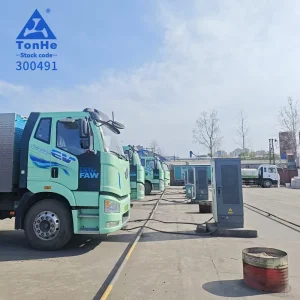
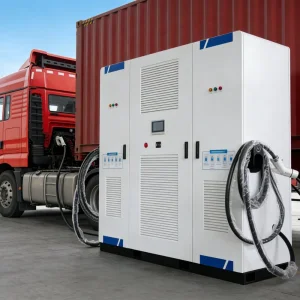
Optimized for commercial delivery fleets and municipal vehicles. High-power DC options combined with OCPP integration allow operators to automate overnight charging, schedule pre-conditioning, and generate detailed carbon reporting.
For homes featuring solar generation and battery storage. The charger acts as a smart gateway, sending excess solar power to the vehicle or discharging the EV battery back into the home during peak tariff periods.
Pioneering the next wave of high-efficiency, bi-directional vehicle grid integration.
As EV battery capacities increase and charging architectures move toward 800V platforms, we are evolving our technology roadmap to keep our partners ahead of the curve.
Integrating SiC components into our high-power DC chargers. This advancement reduces heat generation, increases overall charging efficiency to 97.5%, and significantly shrinks the size of high-output modules.
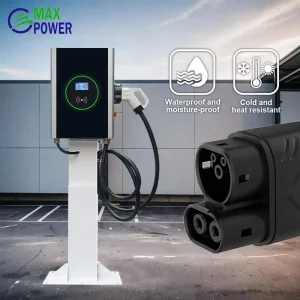
Rolling out Plug & Charge functionality across all AC wallbox platforms, simplifying authentication and billing without needing secondary RFID tags or mobile app processes.
Developing neural-network edge software that analyzes regional grid stability and historical consumption habits to adjust charging rates dynamically, reducing utility bills.
Providing the detailed specifications and compliance knowledge required by professional EVSE buyers.
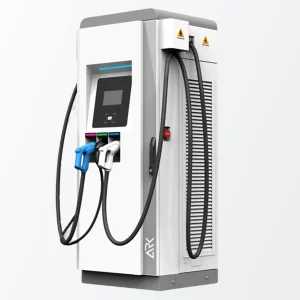
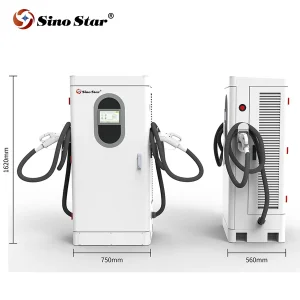
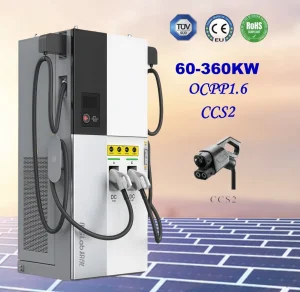
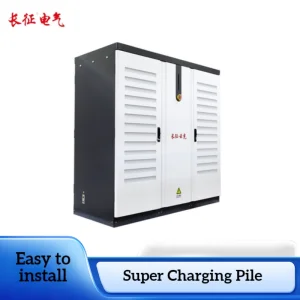
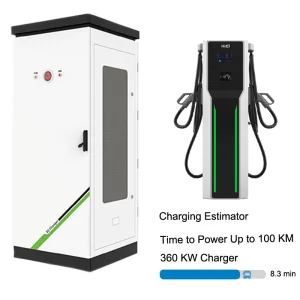
Explore our high-efficiency, multi-standard DC fast chargers and liquid-cooled hyper charging systems.
 Greenvora Charger