Explore our cutting-edge, Wi-Fi integrated and DC coupled power solutions optimized for global grids.
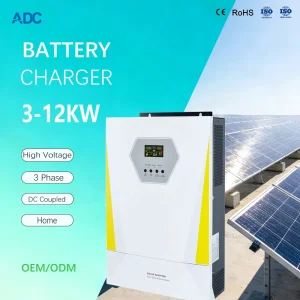
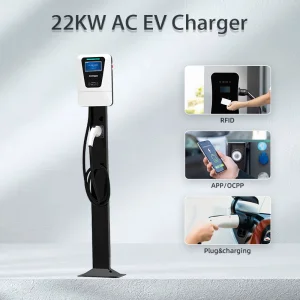

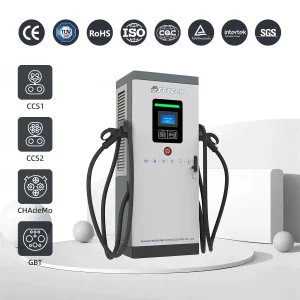
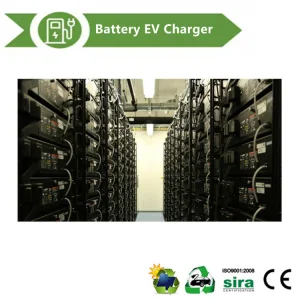
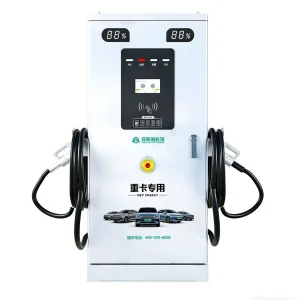
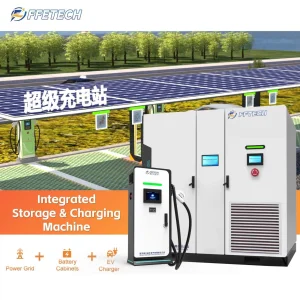
As standard-setters in the EV charging space, Greenvora adheres to a tech-first approach, integrating scientific research, industrial design, high-end manufacturing, global sales, and ongoing support services into one unified capability. We specialize in providing complete, system-level energy solutions tailored for commercial, residential, and industrial charging networks worldwide.
By leveraging the independent mainboard development capabilities of Fonsencharge, we construct state-of-the-art master controller boards customized to meet the strict technical standards of global charger brands. Whether you require custom firmware, specialized OCPP configurations, or tailored physical architectures, our strategic partnership enables high-performance OEM/ODM output that advances smart grid transition.

Analyzing the Technical Foundations of Wi-Fi-Enabled Infrastructure and Semantic Load Optimization
Wi-Fi 2.4/5GHz and fallback BLE channels provide instantaneous streaming of diagnostic metrics, localized voltage levels, temperature thresholds, and cumulative power usage directly to centralized cloud interfaces.
Intelligently balances the electricity usage of the home or workplace. Algorithms adapt output down to Amp-level limits in real-time, preventing substation overloads while maximizing charging speed.
Adhering to strict transport encryption protocols (WPA3-Enterprise, TLS 1.3, and HTTPS) to safeguard localized payment gateways, private network keys, and remote firmware execution commands.
In the contemporary landscape of clean transportation, a vehicle charger is no longer merely a passive conduit of electric current; it is an intelligent grid node. The integration of robust Wi-Fi telemetry using the Open Charge Point Protocol (OCPP 1.6J and OCPP 2.0.1) allows operators and end-users to interface seamlessly with regional distribution systems. Utilizing cloud-based telemetry, charging equipment can monitor and respond to fluctuations in localized grid frequency, executing automatic adjustments to mitigate spikes in system demand.
Furthermore, Wi-Fi connectivity serves as the backbone for continuous software iterations. Over-The-Air (OTA) updates push software improvements, critical security patches, and localized grid rules automatically. For fleet managers and charging operators, this dramatically lowers maintenance expenditures and ensures compatibility with newly released electric passenger cars, utility vans, and heavy-duty vehicles without the need for manual site visits.

The core of every robust charging system is its control architecture. Our specialized Fonsencharge business division develops, patents, and scales the master PCB control boards that dictate charging parameters, electrical protection thresholds, and telemetry operations.
This internal development capacity guarantees unparalleled control over the hardware lifecycle. Unlike standard assembly companies that buy third-party boards, we write our microcode from scratch. This translates into key advantages for OEMs:
How Greenvora Ensures Frictionless Market Entry Across Diverse Global Regions
Our manufacturing and engineering systems carry prestigious DEKRA CB, CE, and ISO9001 certifications. This guarantees alignment with the Low Voltage Directive (LVD) 2014/35/EU, Electro Magnetic Compatibility (EMC) Directive 2014/30/EU, and local utility regulations (such as Germany’s §14a EnWG dynamic grid controls).
For the North American and UK markets, our products adapt to the UK Smart Charging Regulations (offering random delay times and default off-peak schedules) as well as the dynamic load constraints of California Rule 21. Hardware supports Type 1 (SAE J1772) and NACS (SAE J3400) protocols natively.
Deploying electric vehicle supply equipment (EVSE) into different municipal zones demands rigorous attention to local electrical codes. A generic charging device without region-specific telemetry adjustments risks rejection by utility inspectors. Our Wi-Fi-enabled system provides localized over-the-air firmware configurations to comply with dynamic grid curtailment, emergency load shedding, and local Time-Of-Use (TOU) pricing. Greenvora handles the complexity of local certification, ensuring that the hardware we export has clean utility access and meets all localized safety and connectivity thresholds.
Leveraging World-Class Infrastructure, Vertically Integrated R&D, and Economies of Scale
By establishing our core operations within China’s premier industrial tech clusters, Greenvora bridges the gap between high-level R&D and manufacturing cost-efficiency. Our proximity to the primary components markets—including automotive-grade semiconductors, precision magnetic cores, and high-durability polymer housings—allows us to prototype, refine, and ship hardware faster than competitors. This vertical integration guarantees that we pass the structural cost-savings directly to global distributors and fleet purchasers.
Providing Optimized Solutions Across Commercial, Public, and Residential Environments
For high-density apartments and condominiums, our Wi-Fi chargers provide individual driver authentication, automatic billing tracking, and Dynamic Load Management (DLM) to prevent exceeding building supply limits.
Enable commercial operators to schedule charging sequences during lower-cost off-peak windows. Our dashboard allows managers to monitor battery health metrics and control outputs across hundred-car fleets.
Integrate directly with ad-hoc payment gateways (e.g., Apple Pay, Google Pay, local credit network connections via OCPP interface API) to turn standard parking bays into profitable clean energy distribution nodes.
Emerging Paradigms in V2G, Solar-Coupled Charging, and Smart Microgrids
The global energy network is transitioning toward local, decentralized generation. In this context, vehicle batteries are increasingly acting as dynamic buffers. Vehicle-to-Grid (V2G) and Vehicle-to-Home (V2H) bidirectional architectures—underwritten by strict ISO 15118-20 specifications—will define the next generation of hardware installations. Greenvora and Fonsencharge are already investing in advanced bidirectional DC/DC modules to allow commercial fleets and homeowners to feedback stored EV battery power during high-demand peak grid hours.
Equally critical is the shift toward green charging (PV-coupled EV charging). By integrating Solar EV Charger systems with local Container Battery Energy Storage Systems (CBESS), operators can store solar energy generated during daylight hours and use it to charge vehicles overnight. This eliminates reliance on fossil-fuel power grids and provides an eco-friendly charging footprint.
Detailed Technical Queries and Operational Insights for Purchasing Directors and Network Operators
By using Wi-Fi connected telemetry, our systems continuously interface with centralized energy management programs via OCPP. This allows local utilities or fleet operators to adjust current limits dynamically in response to grid load spikes, maximizing efficiency and preventing peak-demand surcharges.
Yes. Because we design and manufacture the master controller PCBs independently, we offer extensive OEM/ODM firmware customization. We can adjust local register addresses, integrate proprietary network parameters, and configure custom APIs to integrate directly with your fleet telemetry suite.
Our chargers hold DEKRA CB, CE, and ISO9001 certifications. Hardware includes built-in protection against overvoltage, undervoltage, overload, short-circuit, leakage currents (including Type A + DC 6mA RCD modules), and thermal over-temperature protection. This ensures safe operation in all regional grids.
Our smart chargers include local non-volatile memory to store transactional logs, RFID authorization states, and energy profile records offline. When the Wi-Fi signal drops, the charger operates in safe offline mode. Once the connection re-establishes, data automatically syncs back to the cloud dashboard.
Integrating Container Battery Energy Storage Systems (CBESS) allows charging sites to shave peak demand charges. It enables high-power fast charging even in sites with limited grid supply. The storage acts as a buffer, storing off-peak energy or solar power and discharging it during peak charging periods.
Explore our industrial AC/DC converters, heavy-duty chargers, and specialized cloud solutions.
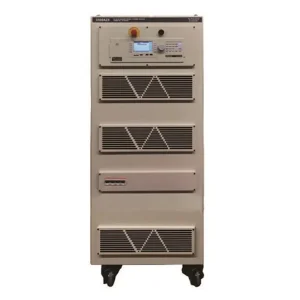
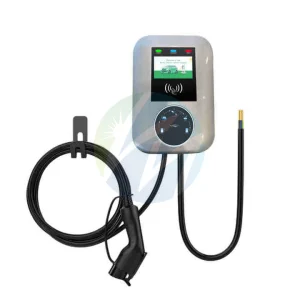
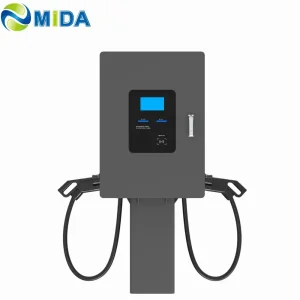
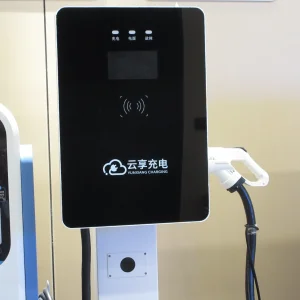
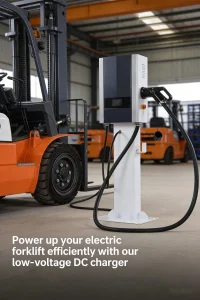
 Greenvora Charger